Before a wrinkle consultation near Malvern East, note the facial line pattern in four expressions: relaxed, eyebrows raised, brows gently drawn together and a natural smile. Record which line appears only with movement, which remains at rest and which expression should stay familiar. Corey Anderson RN assesses forehead, brow, upper eyelid, frown and outer eye relationships with skin, asymmetry, health and previous care. Corey explains suitable options, material risks, alternatives, costs, timing and follow up. When clinically appropriate and informed consent is complete, suitable care can be planned.
Bring Four Expressions And One Preservation Boundary
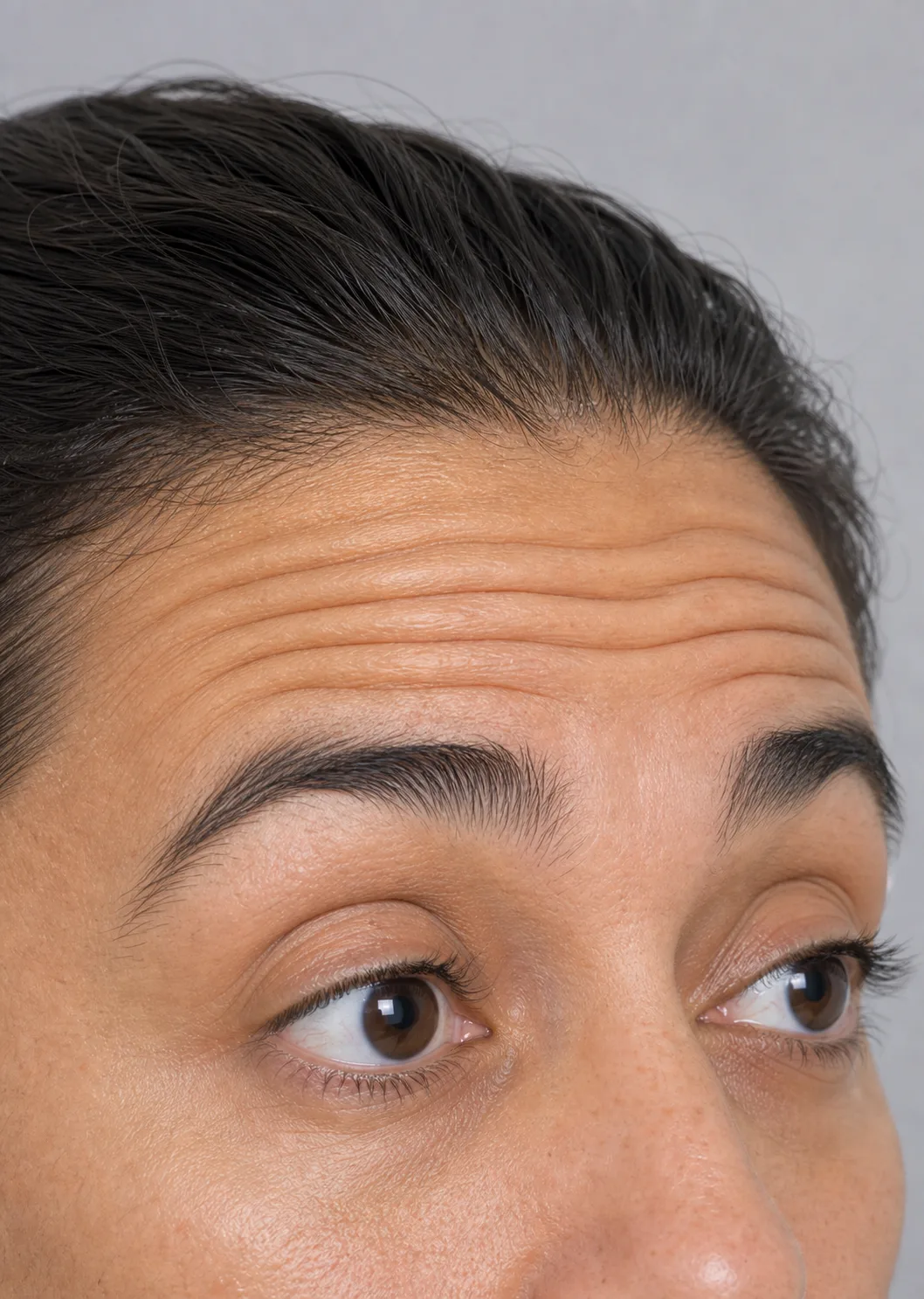
Observe the face relaxed, with eyebrows raised, with the brows gently drawn together and in a natural smile. For each expression, note where a line begins, whether it remains afterwards and whether it is actually the feature that concerns you.
Add one boundary: the expression, brow position or natural asymmetry you want to keep recognisable. This gives Corey a useful movement brief without asking you to diagnose yourself.
How Should You Plan The Malvern East Visit?
Malvern East includes different starting points, so use your actual address when checking the route to Oakleigh. Include enough flexibility for arrival, questions and a possible return if review is useful.
Travel convenience does not establish suitability, but a workable route supports comfortable attendance and follow up. Bring work, caring, travel or event commitments into the timing discussion.
Planning your visit from Malvern? Read the Malvern wrinkle consultation guide for that starting point.
How Do You Make The Four Expression Map?
Use even light, keep the camera at eye level and avoid filters or exaggerated posing. A written observation is enough if you prefer not to take photographs.
| Expression | What to observe | Feature to preserve |
|---|---|---|
| Face relaxed | Creases, shadows, texture and asymmetry that remain without deliberate movement. | Your natural resting balance. |
| Eyebrows raised | Where the forehead folds and how the brows and upper eyelids move together. | The brow position or expressiveness that feels familiar. |
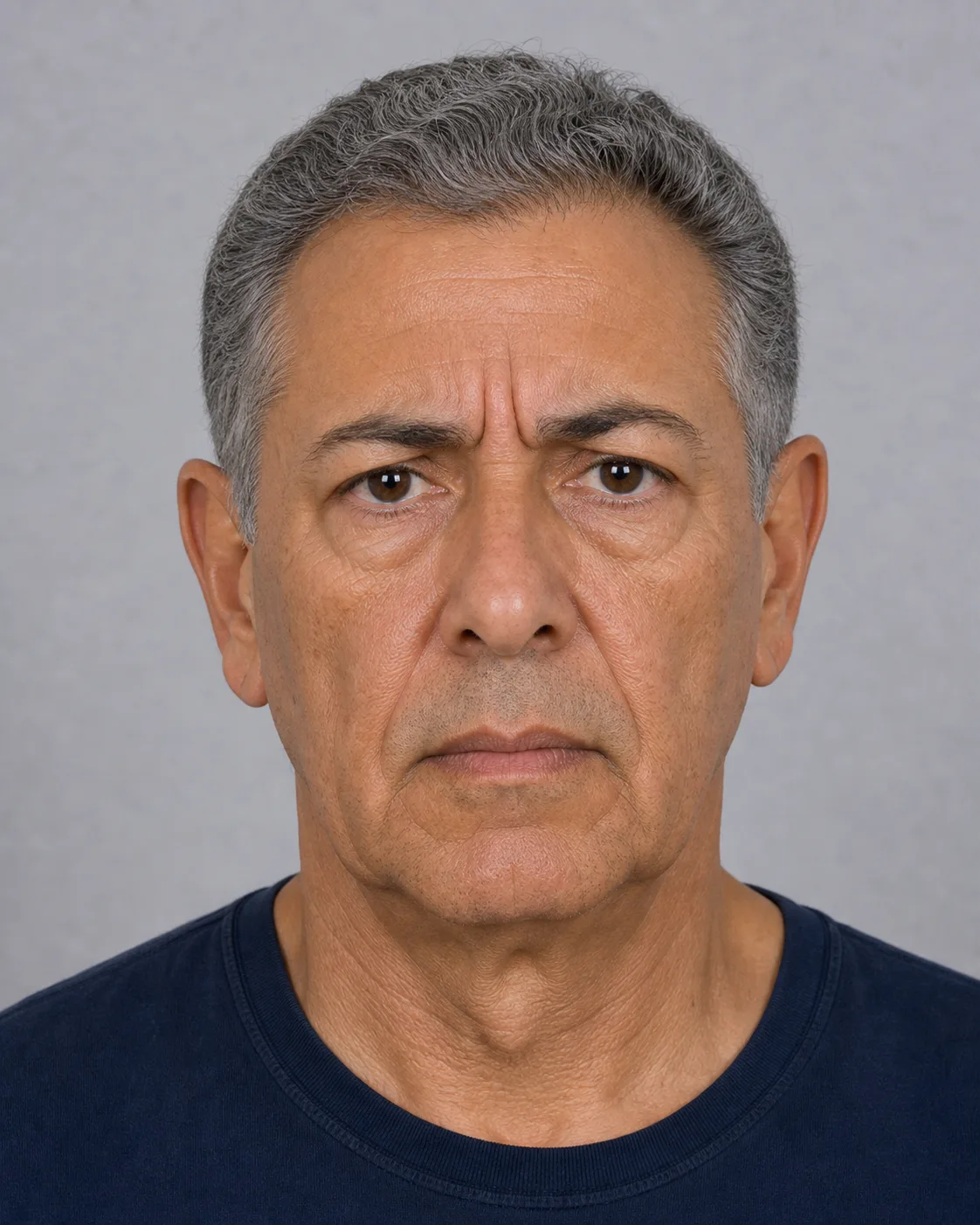
| Brows gently together | Central line direction, strength and symmetry. | Ordinary concentration and communication. |
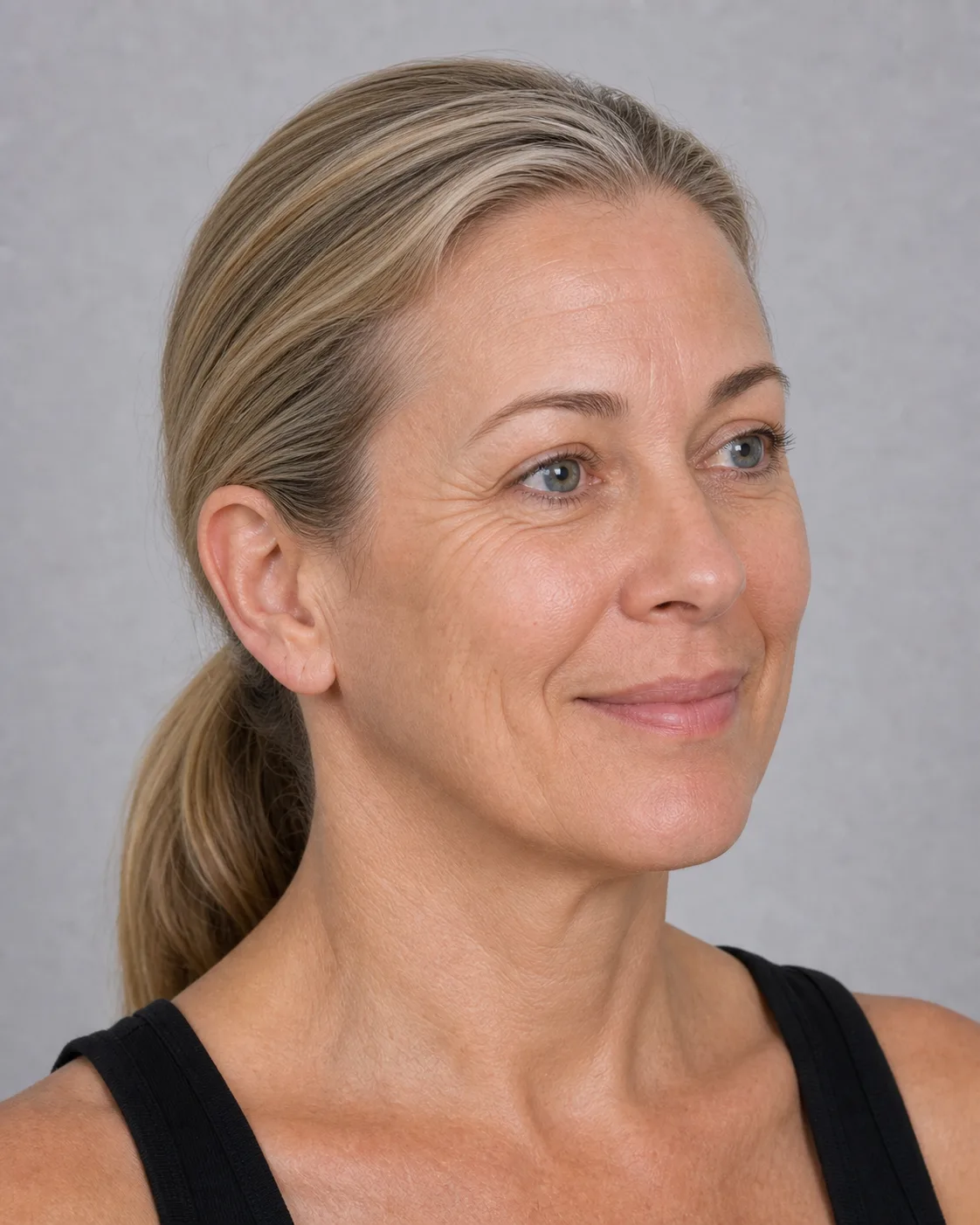
| Natural smile | Outer eye lines, cheek movement, texture and shadow. | A smile that still looks and feels like yours. |
What Can The Four Views Clarify?
The map can separate a movement only line from a resting crease, surface texture or changing shadow. It can also show when forehead, brow, frown and outer eye areas need to be considered as one expression system.
It cannot measure muscle strength, diagnose skin or neurological conditions, establish suitability or predict an outcome. Corey combines the observations with direct assessment and health history.
Why Are Forehead, Brows And Upper Eyelids Assessed Together?
Raising the brows changes the forehead and upper eye area at the same time. Some people habitually use forehead movement to support expression or eye opening, so one line should not be planned in isolation.
Corey records movement, brow position, upper eyelid context, skin, natural asymmetry and previous care. The preservation boundary helps keep the discussion centred on function and familiar expression.
Which Observation Should Lead The Discussion?
| Main observation | Useful next question | Supporting guide |
|---|---|---|
| Forehead folding with raised brows | How do forehead movement, brow position and upper eyelid context interact? | Forehead assessment guide |
| Central lines with a gentle frown | Does the pattern appear only in movement or also remain at rest? | Frown line assessment guide |
| Outer eye lines with a natural smile | How much is expression, skin texture, shadow or a combination? | Outer eye assessment guide |
| Several areas move together | Which expression and relationship matters most to preserve? | Continue with the four expression map. |
How Does Review Access Support A Comfortable Plan?
Check the current route from your part of Malvern East to the Oakleigh clinic and consider how you would return if review were useful. Public transport, driving conditions and parking can change, so confirm them close to the visit.
Tell Corey about any practical limits. Review access, contact instructions and warning signs are explained as part of a complete plan.
Can Timing Be Adapted Around Real Life?
Yes. Work, caring responsibilities, travel and important events can be incorporated into planning without turning the appointment into a deadline. Corey can explain what timing is realistic for any suitable option.
If more information, another clinical review or adjusted timing would improve the decision, it can be included in the pathway. When assessment and informed consent support care, suitable planning can proceed.
Which Details Make The Assessment More Precise?
Bring a current medicine and supplement list, relevant health history, dates and areas of previous cosmetic care, available records and the four expression observations. Note when a new feature began and whether there are associated symptoms.
Do not stop prescribed medicine or manipulate an area based on general online advice. Corey uses the history to decide which questions, limits and options are relevant.
What Can The Consultation Establish?
The consultation can define the concern, document the movement pattern, identify what should remain familiar and explain suitable options. It also covers alternatives, timing, costs, aftercare and review access.
When an option is clinically appropriate and informed consent is complete, suitable care can be planned. Another pathway may be incorporated when a symptom or concern sits outside cosmetic nursing scope.
How Are Risks And Functional Limits Discussed?
Option dependent risks may include temporary marks, swelling, tenderness, bruising, asymmetry, unwanted appearance or functional change, infection, delayed reactions and uncommon serious complications. Corey explains the risks relevant to the assessed option rather than relying on a general list.
Consent includes warning signs, aftercare, review access and the effect a plan may have on forehead, brow, eyelid or smile movement. No public page can establish individual safety or predict a result.
Which Symptoms Need Prompt Health Assessment?
New severe or worsening pain, visual change, breathing difficulty, collapse, rapidly spreading redness, fever, unusual skin colour, weakness, altered sensation or rapid deterioration needs urgent medical assessment. Call triple zero for severe or life threatening symptoms.
Routine cosmetic planning can continue after immediate health needs are addressed and the relevant context is understood. Core Aesthetics is not an emergency service.
What Will You Leave Understanding?
Corey explains the assessed movement pattern, suitable options, important limits, alternatives, timing, costs and follow up. The current consultation fee and later cost discussion are set out on the pricing page.
You should leave with a clear next step and understand how the expression you value will be considered in the plan.
What Research Supports The Four-Expression Map?
The four-expression map reflects evidence that the upper face works as a connected movement system. Research describing frontalis anatomy, skin displacement during forehead contraction and upper-eyelid ptosis surgery supports assessing the forehead, brows and upper eyelids together rather than judging one still photograph.
These studies inform anatomy and movement assessment. They do not determine whether care is suitable, define an ideal expression or predict an individual result.
The upper-eyelid source is a surgical study in a defined patient group. It provides surgical and anatomical context, not direct evidence of non-surgical treatment outcomes or individual suitability.
Which Official Guidance Informs The Page?
Official guidelines for registered health practitioners who perform non-surgical cosmetic procedures support individual assessment, consent and appropriate follow up. These cosmetic procedure guidelines inform the consultation process.
TGA advertising guidance explains why prescription products are not promoted here. These sources guide conduct and advertising; they do not endorse Core Aesthetics or an individual plan.
Where Can You Verify Corey And The Clinic?
Core Aesthetics is at 12A Atherton Road, Oakleigh VIC 3166. Phone 0491 706 705. Corey Anderson is a Registered Nurse with Ahpra registration NMW0001047575.
Use the verification page and independent Ahpra public register before booking.
Questions About The Four Expression Map
Which four expressions should I record?
Observe the face relaxed, with eyebrows raised, with the brows gently drawn together and in a natural smile. Note which lines appear only with movement, which remain at rest and which expression you want preserved.
Do I need to take photographs?
No. Written observations are enough. If you use photographs, choose even light, eye level framing and no filters. Images support the conversation but cannot diagnose anatomy, determine suitability or predict an outcome.
Why are forehead, brows and upper eyelids assessed together?
Raising the brows changes the forehead and upper eye area together. Corey considers habitual movement, brow position, upper eyelid context, skin and asymmetry so one line is not treated as an isolated feature.
How are outer eye lines assessed?
Corey observes a natural smile and considers cheek movement, skin texture, shadow and resting features. The aim is to understand the pattern while preserving an expression that remains familiar.
What should I bring after previous cosmetic care?
Bring dates, treated areas, clinic details, available records, ordinary photographs and a plain description of what changed. Corey can incorporate record retrieval, further assessment or adjusted timing when useful.
Is Core Aesthetics in Malvern East?
No. Core Aesthetics is in Oakleigh. Check the route from your actual Malvern East starting point, allow comfortable arrival time and consider whether returning to the clinic for review would be practical.
Which symptoms need urgent medical attention?
Severe or worsening pain, visual change, breathing difficulty, collapse, rapidly spreading redness, fever, unusual skin colour, weakness, altered sensation or rapid deterioration needs urgent assessment. Call triple zero for severe or life threatening symptoms.
Is this for you?
Consider booking a consultation if
- You live in Malvern East and want to map a wrinkle concern before choosing any option
- You want forehead, brow, frown and outer eye movement assessed as a connected pattern
- You can plan both the Oakleigh appointment and possible return review
- You are open to timing or another clinically appropriate pathway
This may not be for you if
- You want a procedure selected from photographs alone
- People seeking a fixed wrinkle plan before movement, skin, health context and goals are assessed
- You need urgent medical assessment for a new or worsening symptom
- You are seeking care without the individual assessment and informed-consent process needed for a personal plan
Suitability is confirmed at consultation. This list is general guidance, not a substitute for clinical assessment.
Clinical references
- TGA advertising health services involving therapeutic goods
- Anatomy of the Frontalis Muscle
- Dynamic Evaluation of Skin Displacement During Frontalis Contraction
- Upper Eyelid Ptosis Correction with Levator Advancement Using the Levator Musculoaponeurotic Junction Formula in White Patients
- Ahpra advertising higher risk non-surgical cosmetic procedures
- Ahpra resources for advertising higher risk non-surgical cosmetic procedures
- Ahpra register of practitioners