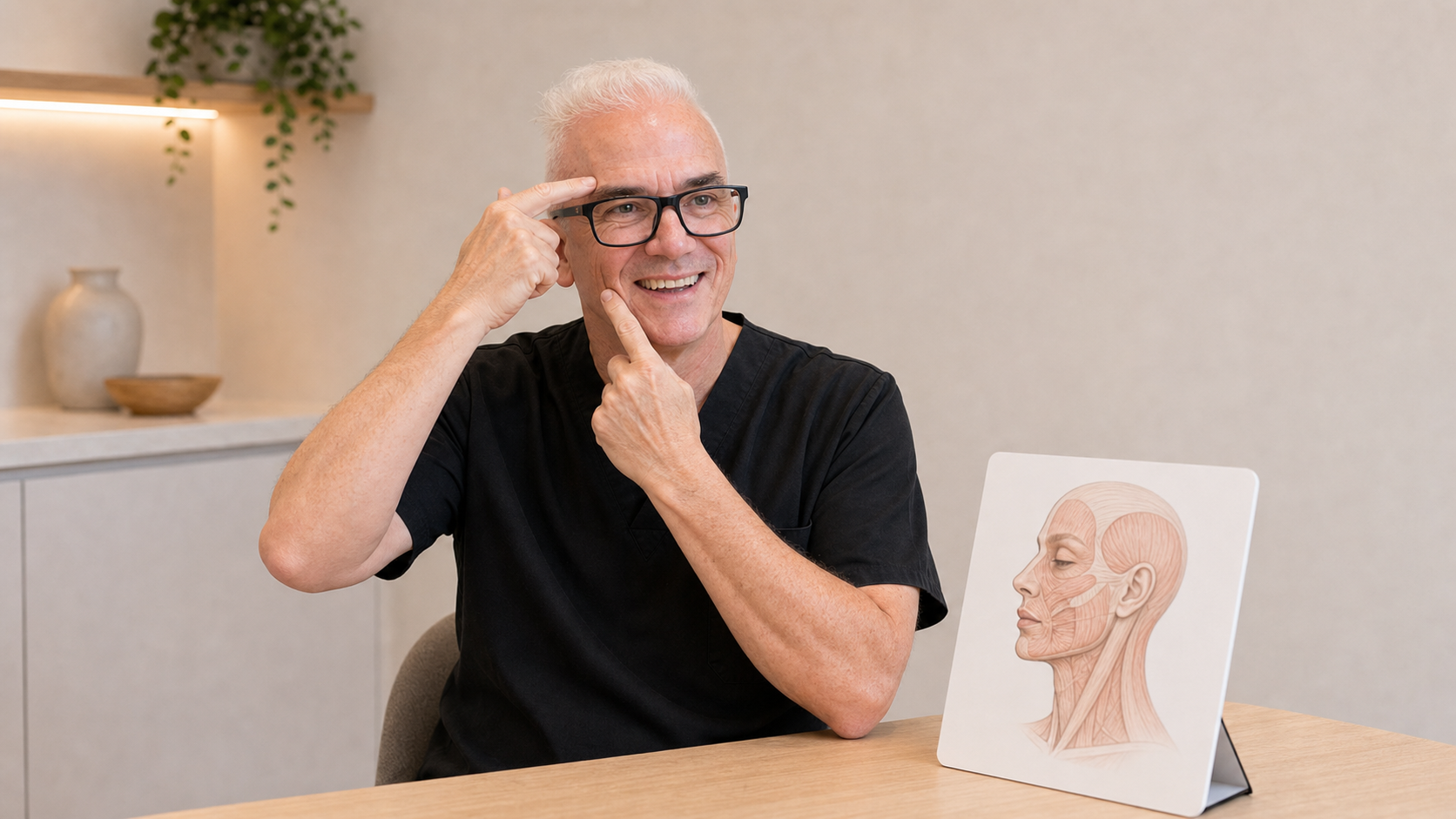
For a forehead wrinkle treatment consultation near Clayton South, separate three observations: the mark immediately after work headwear or eye protection is removed, how it changes during comfortable recovery, and what appears during your usual brow movement on a rested day. Do not repeatedly press, stretch or force the area to test it. Corey Anderson RN compares the sequence with skin condition, brow and eyelid relationships, frown contribution, natural asymmetry, health, medicines, previous care and expectations. Suitable care can be planned when individual assessment and informed consent support it.
Why Separate Pressure, Recovery And Movement?
A fresh equipment impression can reflect contact, heat and the length of wear. A line that returns during brow lift belongs to a different observation.
The sequence keeps those clues separate so the consultation starts with what you actually noticed rather than an assumed cause.
What Should You Record At Each Stage?
| Stage | Useful observation | Avoid |
|---|---|---|
| Removal | Location, shape, skin colour and comfort | Pressing or rubbing to test the mark |
| Recovery | What softens as pressure and heat settle | Checking every few minutes |
| Rested day | What remains without recent equipment contact | Stretching the forehead flat |
| Natural movement | What appears with comfortable brow lift and conversation | Repeated forceful expressions |
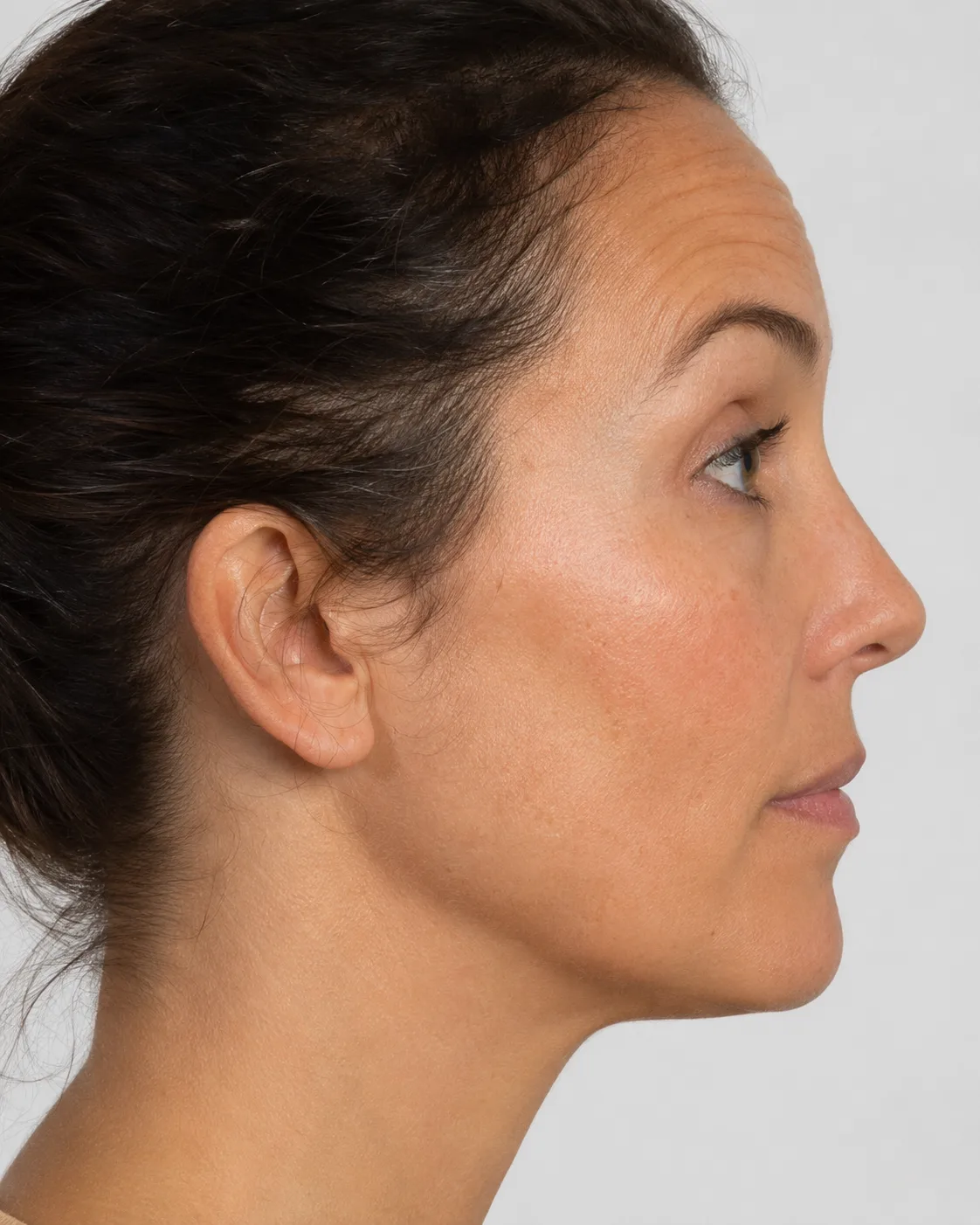
What Does The Immediate Mark Tell You?
Note where the band, helmet edge, visor or eye protection contacted the skin and whether there is tenderness, heat, itching or irritation. The position may explain why the mark caught your attention.
An immediate impression does not by itself establish a lasting forehead concern or indicate that cosmetic care is suitable.
What Does Comfortable Recovery Add?
Let the equipment pressure and heat settle naturally. Notice whether the mark softens, changes shape or remains similar without repeatedly touching it.
There is no universal online recovery time. Skin condition, fit, wear duration and the nature of the mark all matter.
Why Compare A Rested Day?
A rested view away from recent equipment contact shows the familiar baseline more clearly. Observe the forehead during ordinary conversation and once expression settles.
You do not need matched photographs. A short written note about what changed is often enough to begin the discussion.
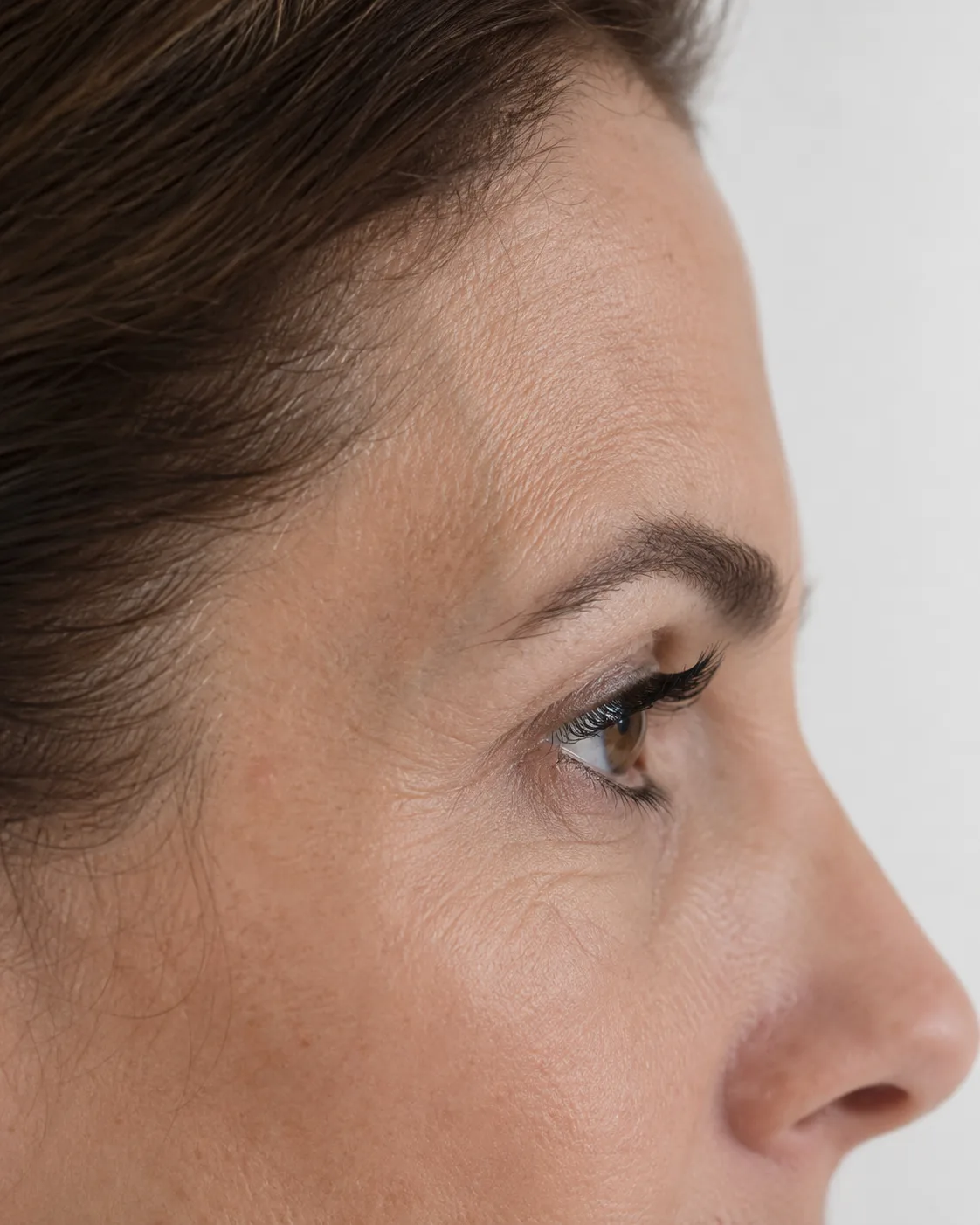
What Does Corey Assess Beyond The Workday?
Corey observes comfortable brow lift, return to rest, frown contribution, brow height, eyelid context, skin and natural side differences. He asks what expression feels familiar and useful to you.
Health, medicines, allergies, previous cosmetic care, work equipment and any skin symptoms are reviewed before suitable choices, risks, alternatives, costs and follow up are discussed.
What Does A Useful Post-Shift Comparison Include?
Bring the equipment name or a simple description of where it rests, typical wear duration, what the skin looks and feels like after removal, and what remains on a rested day.
Also bring current medicines, allergies, relevant health and skin history, previous care dates, available records and the questions you want answered.
Which Symptoms Need A Different Kind Of Attention?
Persistent skin breakdown, marked swelling, significant pain or worsening irritation deserves assessment by an appropriate health or workplace practitioner. Sudden weakness, visual change, facial droop, severe headache or numbness needs prompt medical attention.
These pathways can sit comfortably beside a later cosmetic discussion when appropriate. The aim is to direct each concern to the right assessment.
Where Is The Sequence Reviewed?
Core Aesthetics is at 12A Atherton Road, Oakleigh VIC 3166. Phone 0491 706 705. Corey Anderson is a Registered Nurse with Ahpra registration NMW0001047575.
Use Verify for practitioner details. Read the broader Clayton South wrinkle guide when several facial areas matter, or the forehead consultation guide for the wider assessment process.
Can Suitable Care Be Planned After The Comparison?
Bring the sequence, not a predetermined answer
Corey can compare the immediate mark, recovery, rested appearance and familiar movement with your wider clinical context.
More information, adjusted timing, another clinical review or a different pathway can be incorporated when useful.
This page provides general education and does not diagnose a skin, workplace or neurological concern. These cosmetic procedure guidelines inform the consultation process. See the Ahpra guidelines for registered health practitioners who perform non-surgical cosmetic procedures and the TGA guidance for advertising health services involving therapeutic goods.
Is this for you?
Consider booking a consultation if
- Adults travelling from Clayton South who notice a forehead line after headwear, eye protection or a long shift
- People who want to compare a temporary impression with their usual movement and rested forehead
- People who prefer assessment, questions and a personal recommendation before deciding on any next step
- People open to adjusted timing, review with another health professional, another care pathway or a movement-focused review where appropriate
This may not be for you if
- Anyone seeking diagnosis or urgent care for a new headache, visual change, weakness, significant swelling or persistent pain
- Anyone with broken, infected or acutely irritated skin in the area to be assessed
- Anyone seeking treatment without an individual assessment, risk discussion and informed consent
- Anyone expecting one photograph or an end-of-shift mirror check to establish suitability
Suitability is confirmed at consultation. This list is general guidance, not a substitute for clinical assessment.
Frequently asked questions
Can work headwear leave a temporary forehead mark?
Yes. Contact, heat, wear duration and equipment fit may leave an impression. Observe how it changes after removal without assuming that it represents your usual forehead pattern.
How long should I wait before comparing the area?
There is no universal online time. Allow pressure and heat to settle comfortably, then compare with a rested day. Persistent or worsening skin symptoms deserve appropriate assessment.
Should I repeatedly press the mark to test it?
No. Avoid rubbing, pressing or stretching the area. Record where it appeared, how it felt and what changed naturally as the skin recovered from equipment contact.
Why compare a day without the equipment?
A rested day provides a clearer view of your ordinary forehead at rest and during expression. It helps separate recent contact from a pattern that appears in familiar movement.
Can shift fatigue alter my facial expression?
Yes. Concentration, tiredness, heat and visual effort can change brow lift or frown activity. Corey compares that context with comfortable movement and the relaxed face.
What if the equipment is causing skin irritation?
Discuss fit and workplace requirements with an appropriate workplace or health professional. Persistent breakdown, swelling, pain or worsening irritation needs suitable assessment rather than cosmetic self diagnosis.
Is Core Aesthetics located in Clayton South?
No. The clinic is in Oakleigh. Check the trip from your actual starting point and make sure returning for review would be practical before choosing an appointment time.