Forehead wrinkle treatment near Murrumbeena should begin by identifying what the face does during reading, screens and concentrated work. Corey Anderson RN separates upward forehead lift from inward frown pull and eye-area squint, then observes the face at rest and during ordinary conversation. He also checks brow support, eyelid comfort, asymmetry, skin quality, previous cosmetic care, health history, medicines, expectations, possible risks and consent. Concentration habits can explain when a line becomes noticeable, but they do not diagnose eye strain or establish that a cosmetic option is suitable. Persistent headache, eye pain or visual change needs an appropriate optometry or medical pathway.
Murrumbeena Forehead Wrinkle: Quick Answer
Forehead wrinkle treatment near Murrumbeena should begin by identifying what the face does during reading, screens and concentrated work. Corey Anderson RN separates upward forehead lift from inward frown pull and eye-area squint, then observes the face at rest and during ordinary conversation. He also checks brow support, eyelid comfort, asymmetry, skin quality, previous cosmetic care, health history, medicines, expectations, possible risks and consent. Concentration habits can explain when a line becomes noticeable, but they do not diagnose eye strain or establish that a cosmetic option is suitable. Persistent headache, eye pain or visual change needs an appropriate optometry or medical pathway.
This page has one narrow task: separate the different movements used during close work before a forehead line is interpreted.
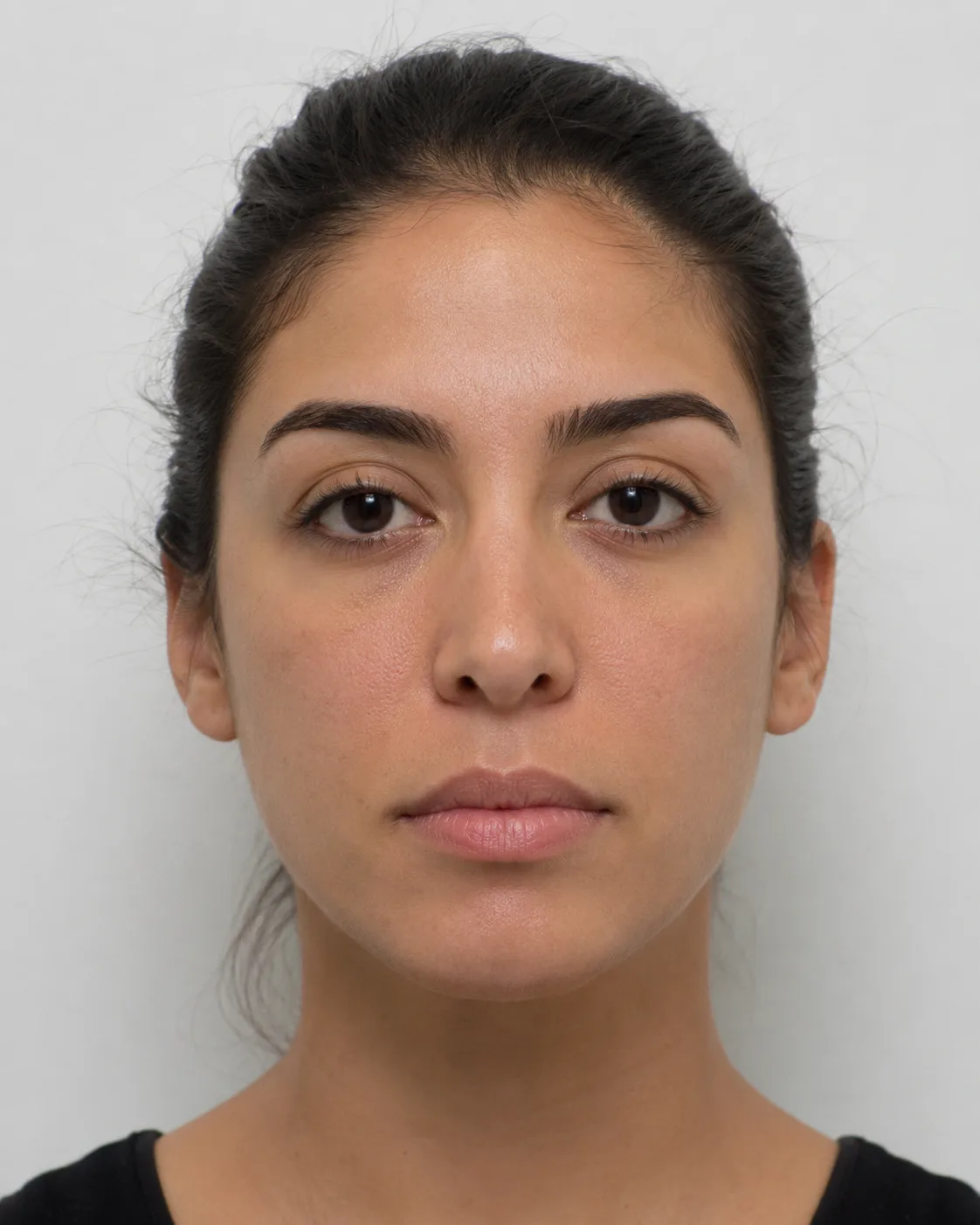
Murrumbeena Forehead Wrinkle: Which Concentration And Local Page Fits?
Identify the movement that happens during concentration, then choose the page that matches the area and route.
| Starting signal | What it suggests | Best page |
|---|---|---|
| Murrumbeena station, Neerim Road, Poath Road or the local shops | Forehead tension is noticed during reading, screens or concentrated work. | Use this page. |
| Several line areas or a general wrinkle concern need sorting | The broad local assessment should lead. | Use the broad local wrinkle page. |
| The main pull sits between the brows | The local frown page is more precise. | Use local frown guidance. |
| The main movement is squinting beside the eyes | Outer eye guidance should take over. | Use outer eye guidance. |
| Carnegie, Hughesdale or McKinnon is the route anchor | A neighbouring rail page fits better. | Use Carnegie, Hughesdale or McKinnon. |
| Reading brings persistent headache, eye pain or visual change | A cosmetic forehead page should not lead. | Arrange appropriate optometry or medical assessment. |
Murrumbeena Forehead Wrinkle: What Can Happen During Concentration?
Close reading and screen work can recruit the upper face in different ways. The brows may lift, draw inward or remain still while the eyes narrow.
Someone may also change head position, blink less often or hold expression for longer. These habits help describe the setting but do not decide the clinical pathway.
Corey asks what task brings the line out and whether the same movement occurs during ordinary conversation or on a rested day.
Murrumbeena Forehead Wrinkle: How Are Lift, Frown And Squint Separated?
Upward forehead contraction raises the brows and creates horizontal folds. Frown movement draws the central brows inward, while squinting often recruits the area beside the eyes.
Corey observes each movement gently and separately, then watches how they combine during a natural expression. Brow height, eyelid comfort and asymmetry add context.
The page should follow the movement that leads, rather than using forehead wording for every concentration pattern.
Murrumbeena Forehead Wrinkle: Why Is A Screen Habit Not A Diagnosis?
A screen may be the place where someone notices tension, but it does not show whether the concern reflects vision, posture, workload, dry eyes, stress, movement habit or another factor.
Corey can assess the cosmetic forehead question and identify when symptoms belong elsewhere. He does not diagnose eye conditions or prescribe workplace screen arrangements.
Persistent or changing symptoms should be assessed by an appropriate optometrist, medical practitioner or workplace health service.
Murrumbeena Forehead Wrinkle: What Can Be Tried Before The Appointment?
Notice whether the concern appears during close reading, video calls, long work blocks or ordinary conversation. There is no need to repeatedly recreate the movement.
Use ordinary visual care and workplace breaks that have already been recommended to you. Do not delay assessment of pain, visual change or new headache while testing a cosmetic theory.
Read when to wait and patient safety guidance when symptoms or timing make the pathway uncertain.
Murrumbeena Forehead Wrinkle: How Should The Local Trip Be Planned?
Murrumbeena station, Neerim Road, Poath Road and the local shops create short rail, bus and road routes to Oakleigh. Peak rail and school traffic can still affect timing.
Use current directions and allow enough time to describe the work pattern, symptoms and what happens when the face rests.
Use Carnegie, Hughesdale or McKinnon when one of those local routes fits better.
Murrumbeena Forehead Wrinkle: Which Page Should Lead?
Use the broad local wrinkle page when several facial areas or general priorities need ordering.
Use local frown guidance for central brow tension and outer eye guidance when squint or smile movement beside the eyes leads.
Use local aesthetic consultation for wider priorities and forehead lines treatment Melbourne for the main service explanation.
Murrumbeena Forehead Wrinkle: What Risks And Limits Need Discussion?
Possible downsides may include temporary marks, swelling, tenderness, headache, unevenness, brow or eyelid heaviness, altered expression, disappointment or an outcome that differs from expectations.
Visual symptoms, persistent headache, recent cosmetic care, health changes, missing records or limited review access may support medical assessment, waiting, referral or no treatment.
Use treatment suitability assessment and informed consent guidance for broader preparation.
Murrumbeena Forehead Wrinkle: How Can You Verify The Clinic?
Core Aesthetics is at 12A Atherton Road, Oakleigh VIC 3166. Consultations are with Corey Anderson, Registered Nurse, Ahpra registration NMW0001047575. Check clinic and practitioner details before booking.
If you want to compare fees first, read the pricing page before deciding whether to book. This page was reviewed on 30 June 2026 for consultation first wording, local uniqueness, risk framing and consent language.
Murrumbeena Forehead Wrinkle: Book With The Work Pattern In Mind
You can book a consultation for a stable cosmetic concern, or contact Core Aesthetics about records or access.
Describe what happens during reading or screens and what settles away from the task. Arrange non-cosmetic care first when symptoms suggest an eye or medical concern.
Murrumbeena Forehead Wrinkle: General Information Only
This page gives general education for adults considering cosmetic consultation from south east Melbourne. It is not personal medical advice, optometry, diagnosis, urgent care, workplace advice, a treatment recommendation or confirmation of suitability.
Individual advice requires consultation with Corey Anderson RN, including assessment of movement, symptoms, history, alternatives, possible risks, timing and consent.
Is this for you?
Consider booking a consultation if
- Adults near Murrumbeena wanting forehead line and brow position assessment before treatment discussion
- Patients who want a consultation-first explanation of movement lines, resting lines, risk and consent
- People open to waiting, referral, review later or no treatment where that is safer
- Patients who want to verify Corey Anderson RN and the Oakleigh clinic before booking
This may not be for you if
- People seeking treatment without assessment, consent or risk discussion
- People with urgent medical symptoms, active infection, acute swelling or rapidly changing skin concerns
- People wanting a fixed cosmetic change before brow position and movement are assessed
- People seeking advice for someone who cannot provide informed consent for elective cosmetic care
Suitability is confirmed at consultation. This list is general guidance, not a substitute for clinical assessment.
Frequently asked questions
Is this page for the station and Neerim Road side?
Yes, when Murrumbeena station, Neerim Road, Poath Road or the local shops describes the route and the concern is forehead tension noticed during reading, screens or concentrated work. Use the broad local page when several facial areas need sorting.
Why do I raise my brows while reading?
Some people lift the brows during concentration or when trying to make the eye area feel more open. Others frown or squint. The pattern varies, so Corey observes which movement is actually present rather than assuming the forehead acts alone.
Can screen use cause a forehead line?
Screen work may change expression frequency, posture, blinking and concentration, but an online statement cannot establish the cause of a line. Repeated movement, resting creases, skin quality and other factors may all contribute.
How does Corey separate lift, frown and squint?
Corey observes ordinary speech, then asks for a comfortable brow lift, gentle frown and natural eye narrowing. Each direction is viewed separately before the whole expression is considered at rest.
Should I have my vision checked first?
Arrange optometry or medical assessment when reading or screens bring persistent blur, eye pain, new headaches, double vision, sudden visual change or another unexplained symptom. A cosmetic consultation does not test eyesight or diagnose eye strain.
When is the frown page better?
Use <a href="https://coreaesthetics.com.au/frown-line-treatment/">local frown guidance</a> when the main tension or line sits between the brows. This page should lead when upward forehead movement and horizontal lines are the main concern.
When should I use Carnegie or Hughesdale?
Use <a href="https://coreaesthetics.com.au/forehead-wrinkle-treatment/">Carnegie</a> when Koornang Road and its station are the anchor, or <a href="https://coreaesthetics.com.au/forehead-wrinkle-treatment-hughesdale/">Hughesdale</a> for Poath Road and that station. This page keeps the Murrumbeena station and Neerim Road pocket.
Does booking mean treatment will happen?
No. Booking is for consultation. If assessment and informed consent support a suitable option, it can be discussed. Symptoms, unclear movement, screen pressure or limited review access may lead to waiting, another pathway or no treatment.