Prepare for a facial ageing consultation by noting what changed, when you notice it, whether rest or expression makes a difference, and what you want to understand. Bring medicines, allergies, relevant health history, previous care records and timing constraints. Keep observations separate from guesses about the cause; Corey can assess that context at the appointment.
What Should You Prepare Before The Appointment?
Prepare for a facial ageing consultation by noting what changed, when you notice it, whether rest or expression makes a difference, and what you want to understand. Bring medicines, allergies, relevant health history, previous care records and timing constraints. Keep observations separate from guesses about the cause; Corey can assess that context at the appointment.
You do not need to arrive with a diagnosis, a treatment request or perfect photographs. This page helps you make a short note for the appointment. The facial ageing assessment guide explains what Corey does with that information during the consultation.
Start With One Observation In Your Own Words
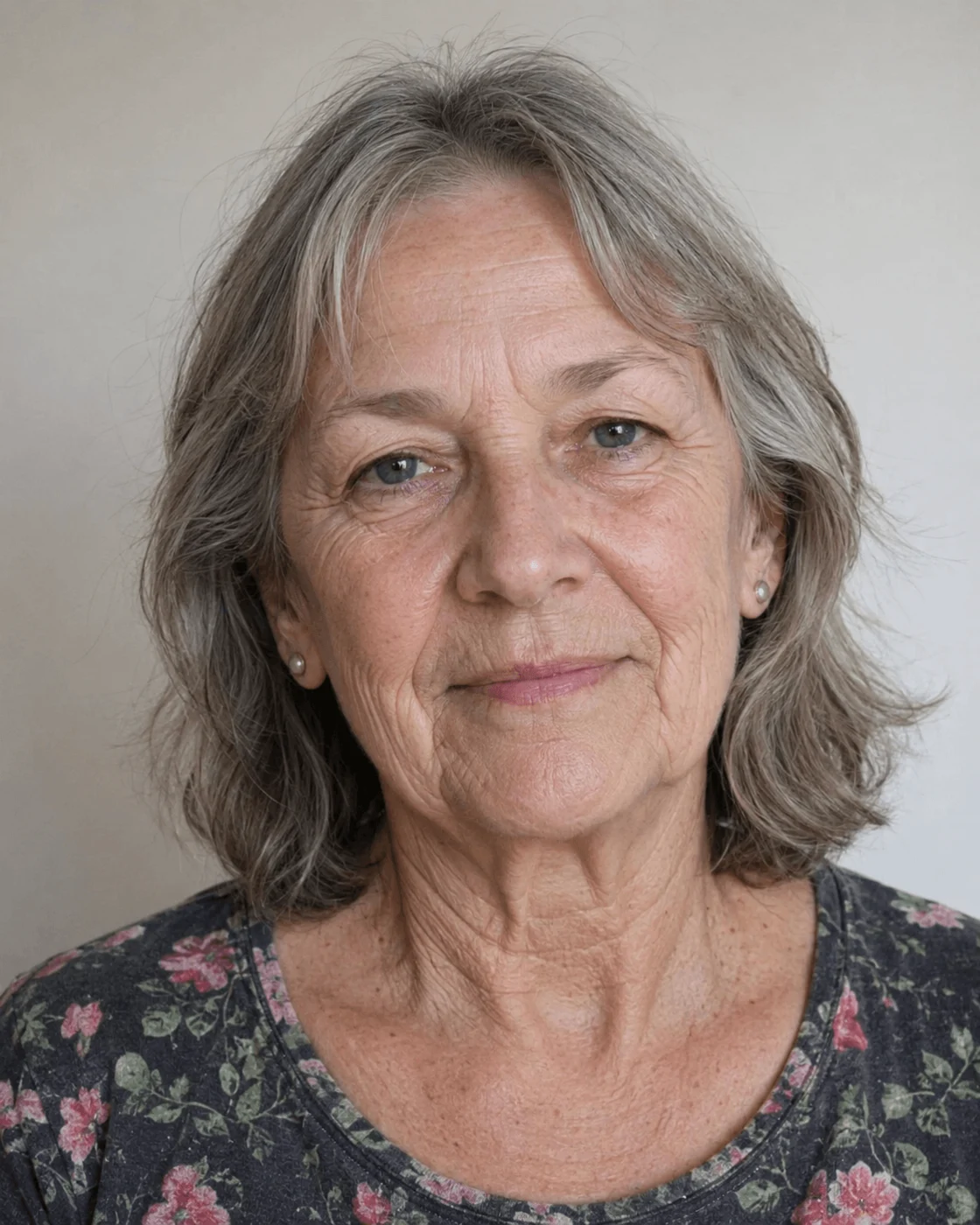
Write the change that first caught your attention, when it became noticeable and the question you want answered. Words such as tired, hollow, lined or heavy can start a conversation without explaining the cause.
Add what you would like to preserve and anything that makes you hesitant. Being unsure is useful context. Do not turn the note into a list of separate treatments for each feature.
What Belongs On Your Preparation Sheet?
| Part of the note | Prompt to complete | Keep this boundary |
|---|---|---|
| Observation | What has changed, and when do I notice it? | Describe what you see rather than decide its cause. |
| Rest and expression | Does it look different at rest, while speaking or in ordinary expression? | An observation can help the discussion without establishing suitability. |
| History | What health information, medicines and previous care belong with this concern? | Bring records where available; mark missing information as unknown. |
| Timing | What event, travel or review-access details should Corey know? | Practical dates can matter to the sequence; do not decide timing from a website. |
| Questions | What do I need to understand about options, risks, limits and the next step? | Leave the clinical interpretation and any decision open. |
A short note is enough. You can bring incomplete information and explain what is missing rather than filling the gaps with assumptions.
Do Not Assign A Cause To Each Observation
Similar descriptions can involve skin quality, movement, support, volume change, previous care or wider health and timing context. You can use those words as questions: “Could movement matter here?” is different from deciding that movement is the cause.
For the explanation of how Corey considers the whole face, use the assessment guide. If you already want to understand focused and staged planning, read facial rejuvenation consultation after that.
Gather The Records You Already Have
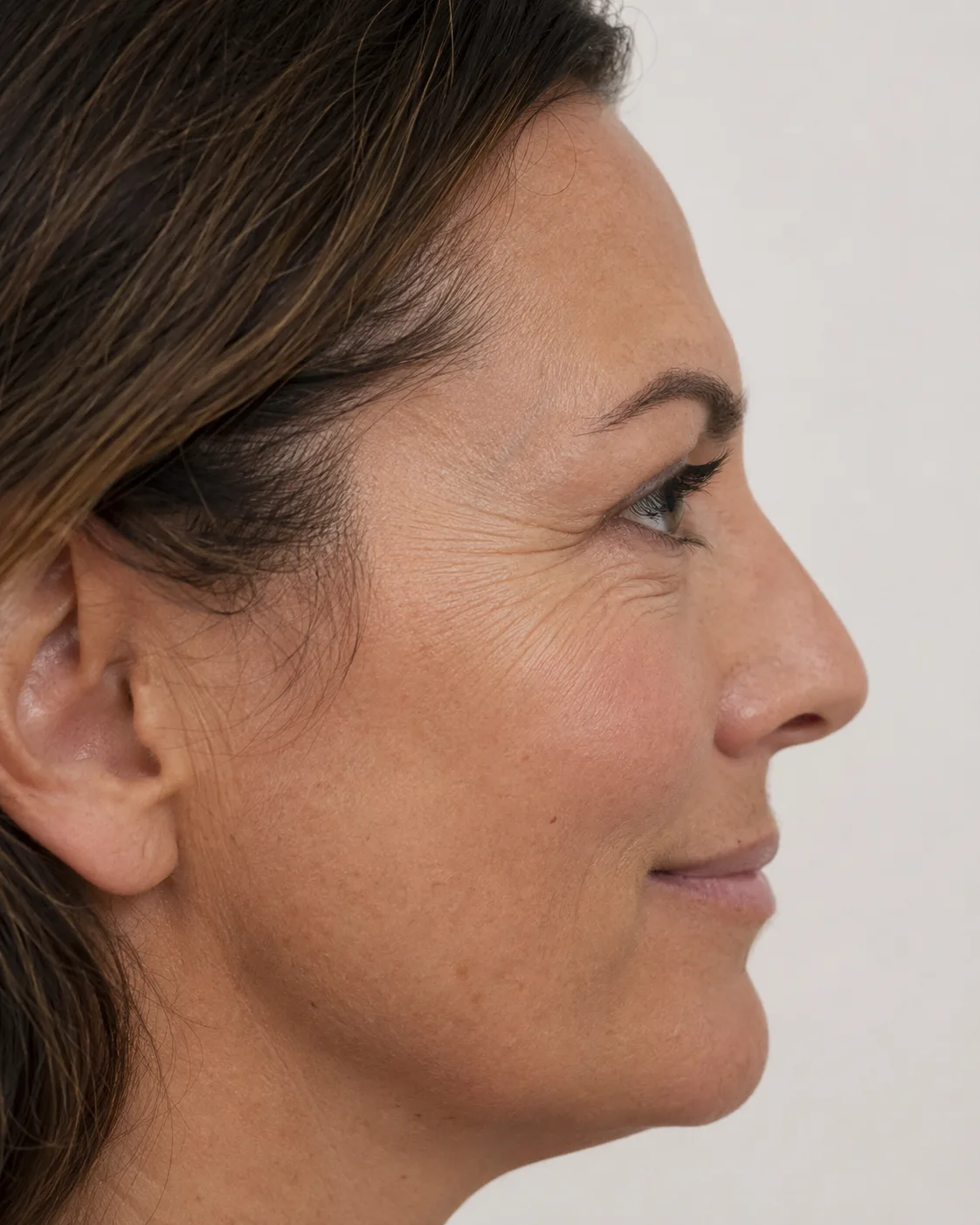
Bring or note down medicines, allergies, medical history, previous cosmetic treatment dates, any sudden changes, skin irritation, event timing, travel and the main question you want answered. If older photos help show a gradual change, they can also be useful context.
Keep the date and provider of earlier care beside any available records. Note what is uncertain instead of trying to recreate a clinical record from memory. Photographs are optional communication aids, not evidence that a particular option is suitable.
Flag Timing And Symptoms Before Treating Them As Cosmetic Questions
More time or another pathway may be appropriate when an event is close, health information is incomplete, symptoms need medical review, skin is irritated, recent procedures are still settling, expectations feel rushed or follow up would be difficult. Referral may be safer when the concern appears outside cosmetic scope or another practitioner needs to assess it first.
No treatment is also a valid outcome. Consultation is meant to reduce pressure, not create it.
How Are Risks, Consent And Time Handled?
Relevant risks and limits depend on the area, health history and the pathway being discussed. They can include bruising, swelling, tenderness, asymmetry, dissatisfaction, delayed issues, altered expression or balance, visible irregularity and rare but serious complications that require urgent review.
Consent should cover alternatives, likely limits, aftercare, review access, uncertainty and the option of doing nothing. There is no need to force a decision before you understand the trade-offs.
Put Cost Questions After The Concern And The Constraints
Add questions about what is included, any proposed stages, review access and what costs would apply if an option is suitable. A price alone cannot tell you which pathway fits the concern or replace assessment and consent.
Use the pricing guide for general context. At the appointment, ask how the assessment, suitable options, risks, alternatives and timing connect to any quoted cost.

How Does This Differ From The Assessment Guide?
This sheet helps you prepare observations, records, dates and questions. The facial ageing assessment guide explains the whole-face conversation and examination; it is the place to read what happens during the appointment.
For background on ageing itself, read what ageing means in cosmetic consultation. You do not need to complete that reading before bringing a question to Corey.
Leave Room To Record The Agreed Next Step
Take the preparation note with you and leave space for what Corey observed, what remains uncertain and the next agreed step. Ask which records, review or timing change would help answer anything still open.
You can book a consultation, verify Corey and the clinic or contact the clinic with practical questions. A sudden or concerning symptom needs the appropriate medical starting point rather than waiting to complete a cosmetic preparation sheet.
Common Questions
What should I write before a facial ageing consultation?
Note what changed, when you notice it, whether it appears different at rest or in expression, and what you want to understand or preserve. Add relevant history and timing. Keep the note descriptive so Corey can assess possible contributors without a treatment being chosen in advance.
Do I need to know why my face looks different?
No. Descriptions such as tired, hollow, lined or heavy can involve more than one contributor. Write the observation and your question rather than assigning a cause. The individual assessment considers skin, movement, support, history, expectations and timing together.
Which records should I bring?
Bring current medicines, supplements, allergies, relevant medical history and previous cosmetic treatment dates or records where available. Include skin irritation, recent procedures and any uncertainty about earlier care. Missing information can be explained at the appointment; you do not need to guess it.
Are older photographs necessary?
No. Older photographs may help explain a gradual change, but they are optional context. Lighting, expression and angle affect what a photograph shows. A photograph cannot determine suitability or promise an outcome, so your own description and clinical history remain useful.
Which practical dates should I include?
Write down upcoming events, travel, recent procedures and any difficulty attending follow up. Those details help the timing conversation. Do not assume a procedure or recovery timetable from the preparation sheet; Corey explains the sequence after considering the individual concern and relevant context.
What should I do with a sudden or worrying change?
Do not assume pain, unexplained swelling, active irritation, infection concerns, visual symptoms or other worrying changes are ordinary ageing. Such symptoms may need medical review before cosmetic discussion. The preparation sheet is not a diagnostic tool or a reason to delay appropriate health advice.
Which questions about risk and consent should I add?
Ask what risks and realistic limits apply to any suitable option, what alternatives exist, how aftercare and review work, and what happens if you wait or decline. Leave space for the answers. Preparing questions supports informed consent without creating an obligation to proceed.
How should I prepare cost questions?
Start with the concern, timing and what needs assessment. Then ask what any proposed cost includes, how staged planning or review would work, and what alternatives are available. The general pricing guide gives context, but a price should not replace suitability or consent.
How is this different from the facial ageing assessment guide?
This page helps you produce a short note of observations, history, dates and questions to bring. The assessment guide explains what happens during the whole-face appointment and how Corey considers the information. The two pages support different parts of the same conversation.
What should I record before leaving the appointment?
Write down what Corey observed, which questions remain open, and the agreed next step. Ask what records, timing change or other review would help resolve uncertainty. You should understand how any suitable option, later review or different health pathway relates to your original question.
Is this for you?
Consider booking a consultation if
- You want ageing related facial concerns assessed to clarify which options are worth discussing
- You want a careful explanation of contributing factors and limits
- You are open to staged planning, timing or another clinically appropriate pathway
- You value conservative planning and realistic expectation setting
This may not be for you if
- You want certainty about a specific appearance outcome
- You want treatment to proceed without assessment and consent
- You are seeking a rushed decision based on appearance pressure
- You need personal medical advice without consultation
Suitability is confirmed at consultation. This list is general guidance, not a substitute for clinical assessment.