Anti ageing aesthetic treatments should not be treated as a generic age reversal plan. Consultation should clarify whether the concern is mostly skin quality, movement, structure, volume change or something outside cosmetic scope, then decide whether education, adjusted timing, review with another health professional, review or treatment discussion is the more responsible next step.
What Does Anti Ageing Mean In Consultation?
At Core Aesthetics, anti ageing is treated as patient language for a broad group of concerns, not as a promise that ageing can be stopped or reversed. The useful question is which changes are actually bothering you and whether they relate more to skin quality, facial movement, structure, volume change, previous treatment, health history or expectation setting.
That distinction matters because the next step may be education only, a more specific assessment page, a slower treatment discussion or useful information for now. Corey Anderson RN uses consultation to separate those possibilities before any decision is made.
Which Changes Are Actually Being Assessed?
People often use anti ageing as one label for several very different changes. Consultation works better when the concern is separated into the parts that are actually being noticed.
| Concern area | What may be discussed | Why it matters |
|---|---|---|
| Skin quality | Texture, hydration, pigment, fine surface change and environmental wear. | Skin questions may need a different pathway from movement or structure. |
| Movement | Expression lines, resting lines and how the face behaves in motion. | Movement changes are not the same as volume or support changes. |
| Structure and support | Facial balance, support, contour change and how features relate to each other. | Structural questions should be assessed in whole-face context, not in isolation. |
| Volume change | Hollowness, flattening, heaviness or areas that seem less supported over time. | Different concerns can look similar on the surface but need different advice. |
| Suitability and timing | Health history, medicines, event timing, review access and expectations. | These details can change whether any treatment discussion is appropriate. |
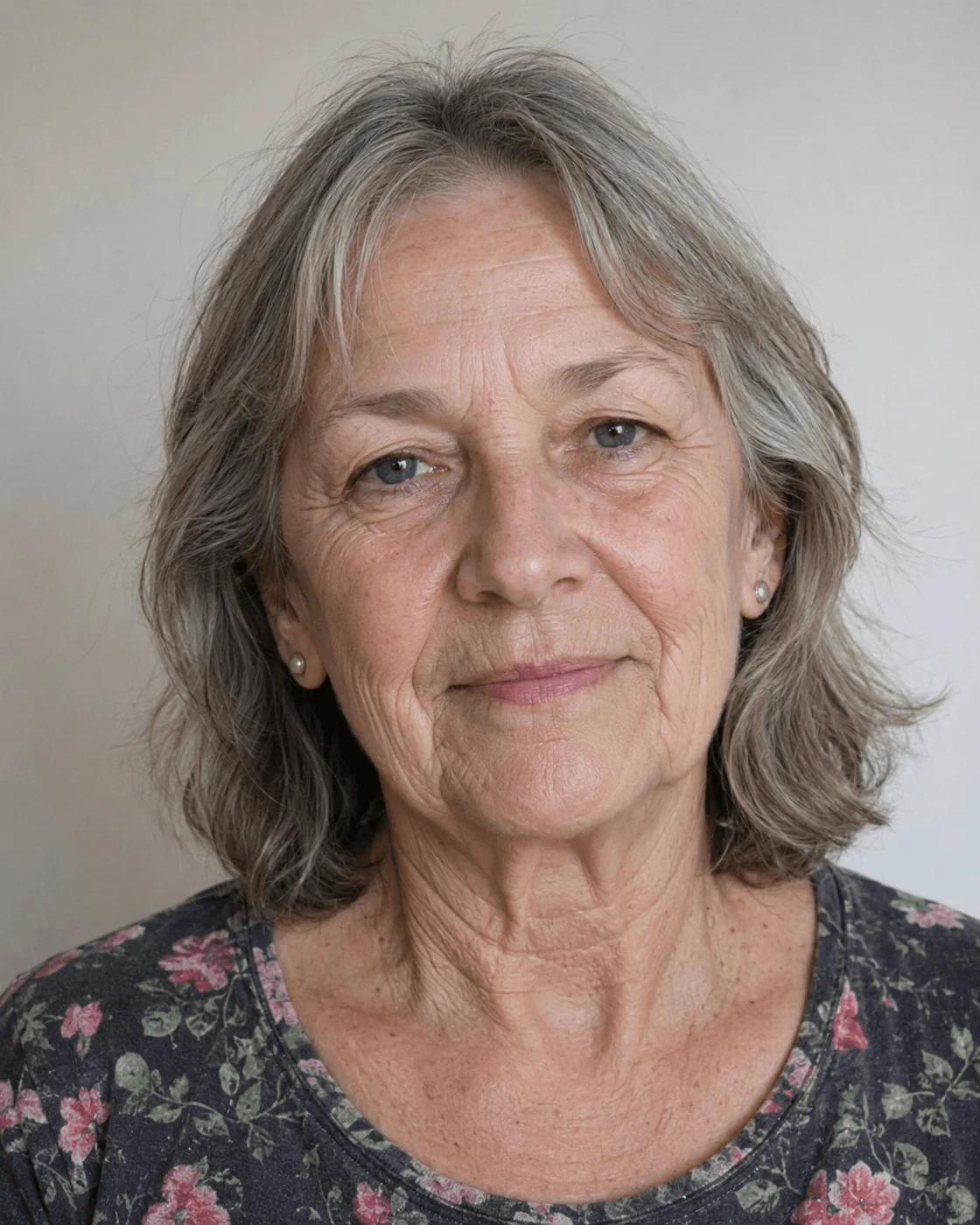
Why One Concern Can Point To Different Pathways
A tired or older look can come from more than one factor. In some people the main issue is surface quality. In others it is movement, support, volume distribution, sleep, stress, symptom history or a combination of factors. That is why a page cannot safely reduce anti ageing to one named treatment category.
Corey uses consultation to work out which part of the concern is actually being described and whether the safest answer is a narrower assessment question, a staged plan or another clinically appropriate pathway. The page is useful if it helps you ask a better question, not if it pushes you into a generic solution.

What Does Corey Review So any option discussion is grounded in the assessment?
Before any treatment topic is discussed, Corey reviews the concern in full context: facial proportions, resting appearance, movement, skin condition, support, previous treatment history, medicines, allergies, medical background, timing and what outcome the patient thinks they are trying to solve.
That review is also where unrealistic goals, missing health information, event pressure or a mismatch between the concern and cosmetic scope can be identified. A consultation is useful because it gives space for those questions before anything is assumed.
When Timing or another clinically appropriate pathway May Be Safer
Waiting can be safer when the decision is being driven by urgency, social comparison, a close event, unsettled expectations or incomplete medical information. Referral can be safer when the concern includes symptoms, sudden change, skin disease, broader health questions or something outside cosmetic scope.
a staged assessment plan can also be the correct answer. Some concerns turn out to be normal variation, not best managed through cosmetic care, or better approached more conservatively over time. Corey does not treat treatment as the automatic endpoint of a consultation.
How Are Risks, Consent And Limits Discussed?
Risks vary by person, anatomy and the topic being discussed. Consultation should cover what is known, what is uncertain, what alternatives exist, what aftercare and review would involve, and when the safer advice is to slow down or decline treatment. That conversation is individual and is not replaced by a general education page.
Anti ageing language can easily make treatment sound broad or inevitable. Consent should do the opposite. It should narrow the question, clarify limits and leave room for a patient to pause, ask more questions or decide that a staged assessment plan is right.
How Are Costs Discussed?
Costs are discussed after the concern, scope and suitability questions are clearer. Corey does not use price as a shortcut for deciding what should happen. A patient first needs to know what is actually being assessed, whether treatment discussion is appropriate and what the realistic alternatives are.
Useful related pages include pricing, facial ageing assessment consultation, why we sometimes say no and patient safety in aesthetic consultation. These pages support informed decision making only.

How Is This Different From The Facial Ageing Assessment Consultation?
This page explains the broad anti ageing question. The related facial ageing assessment consultation page is more practical. It helps you prepare for an appointment, gather history and understand what Corey will review in person.
If you are still trying to work out whether the concern is more about volume, movement or a specific treatment area, the related guides on volume treatment areas and wrinkle treatment and expression may also help narrow the next question before booking.
How Should You Start?
Start by describing the concern in plain language rather than trying to choose a treatment first. Note what has changed, what bothers you, what timing pressures exist and whether there are symptoms or medical factors that may change the advice.
You can book a consultation, read the facial ageing assessment consultation guide, compare volume and wrinkle treatment topics, or use the verification page if you want to confirm practitioner details first.
Clinic Details And Verification
This page was last reviewed on 2026-07-12 for anti ageing consultation wording, image compliance, cost context, practitioner verification and related guide structure.
Core Aesthetics is located at 12A Atherton Road, Oakleigh VIC 3166. Phone: 0491 706 705. Consultations are led by Corey Anderson RN, Ahpra registration NMW0001047575. You can also use the verification page before booking or contacting the clinic.
General Information Only
This page provides general information for adults considering aesthetic consultation. It does not provide a diagnosis, treatment recommendation or confirmation of suitability. Individual advice requires assessment by an appropriately registered health practitioner.
Is this for you?
Consider booking a consultation if
- You want to understand anti ageing concerns before deciding whether treatment discussion is appropriate
- You want skin, movement, structure and volume questions separated more clearly
- You value conservative planning, risk discussion and realistic expectations
- You are open to timing, review needs or another clinically appropriate pathway if that is safer
This may not be for you if
- You are seeking age reversal or a promised cosmetic outcome
- You want a treatment decision without clinical assessment
- You want a rushed answer because of event pressure or social comparison
- You need urgent medical care rather than a cosmetic consultation
Suitability is confirmed at consultation. This list is general guidance, not a substitute for clinical assessment.
Frequently asked questions
What are anti ageing aesthetic treatments?
At Core Aesthetics, anti ageing is treated as a broad patient term rather than one treatment plan. Consultation is used to separate skin quality, movement, structure, volume change, history, timing and expectations before any pathway is discussed.
Does anti ageing mean one treatment suits everyone?
No. Different concerns that look similar on the surface can come from different causes. A page cannot decide whether the issue is mostly skin quality, movement, structure, volume change or something outside cosmetic scope.
Can skin, movement and volume concerns overlap?
Yes. Many people notice more than one type of change at the same time. Consultation is used to separate which part of the concern is actually driving the question so the advice is more specific.
Does this page mean treatment is suitable for me?
No. Suitability depends on individual assessment, health history, medicines, anatomy, timing, expectations, risk, review access and whether the concern is within cosmetic scope.
What does Corey review so any option discussion is grounded in the assessment?
Corey reviews facial proportions, movement, skin condition, support, previous treatment, medicines, allergies, medical background, timing and what outcome the patient is hoping to understand or change.
When might timing or another clinically appropriate pathway be safer?
That may be the safer advice when the concern includes symptoms, sudden change, unrealistic expectations, event pressure, incomplete medical information or a question that falls outside cosmetic scope.
How are risks discussed for anti ageing concerns?
Risks are discussed in consultation and depend on the person, anatomy and treatment topic being considered. The discussion should cover limits, alternatives, aftercare, review access and the option of doing nothing.
How are costs discussed?
Costs are discussed after the concern and suitability questions are clearer. Price should not replace practitioner judgement, informed consent or a careful explanation of what is actually being assessed.
How is this different from the facial ageing assessment consultation page?
This page explains the broader anti ageing question. The facial ageing assessment consultation page is the practical follow-on guide for preparing history, questions, timing and appointment expectations.
How do I verify Core Aesthetics before booking?
Before booking an anti-ageing consultation, check the Verify Core Aesthetics page and the Ahpra public register so you can confirm who will assess the concern and how the clinic is identified. Corey Anderson RN is listed with Ahpra registration NMW0001047575.