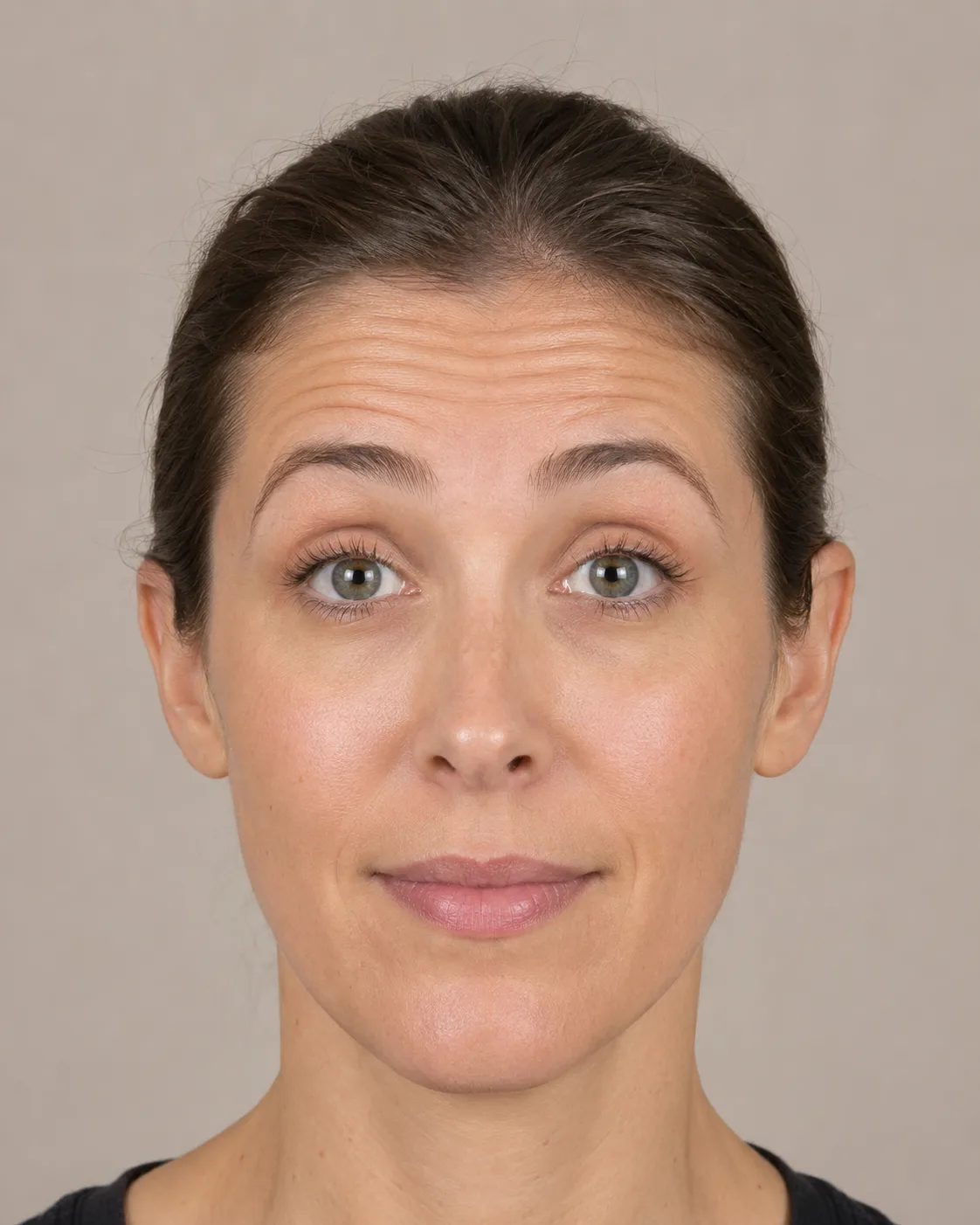
For a broad wrinkle concern near Caulfield, compare four possible owners: forehead folding when the brows lift, central lines with a gentle frown, outer eye lines in a natural smile, and creases or texture that remain at rest. Choose the area that best matches what bothers you and name an expression you want preserved. Corey Anderson RN combines this map with skin, brow and eyelid context, asymmetry, health and previous care. Corey explains suitable options, material risks, alternatives, costs, timing and follow up. When clinically appropriate and informed consent is complete, suitable care can be planned.
How Do You Find The Area That Owns The Concern?
Observe the face relaxed, raise the brows comfortably, draw the brows together gently and make a natural smile. Ask which change most closely matches the concern you would like assessed.
Choose one leading area and one supporting area. Then name the movement, brow position or expression you want to keep familiar.
Which Owner Matches Which Observation?
| Possible owner | Observation | Preservation boundary |
|---|---|---|
| Forehead | Horizontal folding increases with comfortable brow lift. | Familiar brow position and eye opening. |
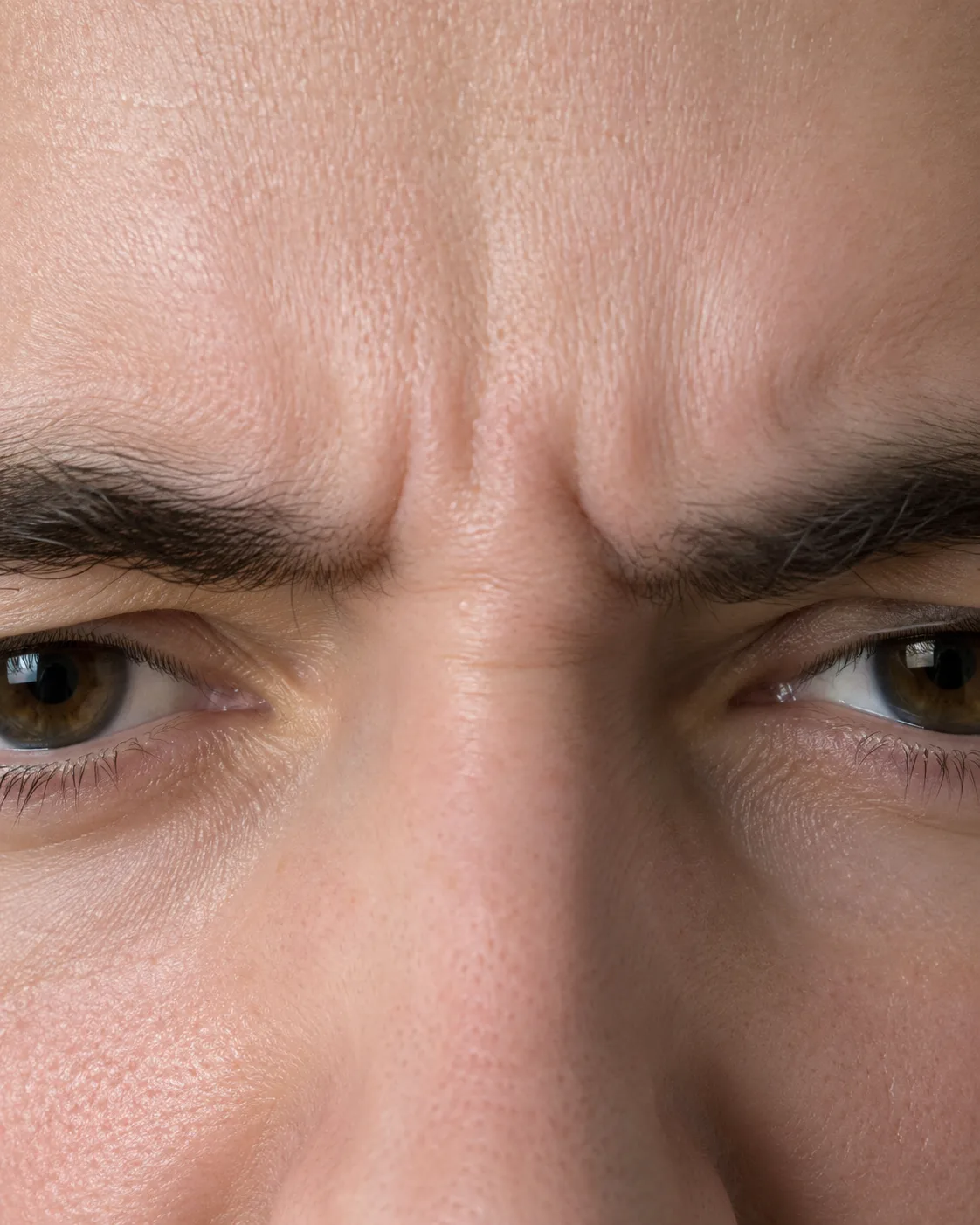
| Frown area | Central lines appear when the brows move together. | Natural concentration and communication. |
| Outer eye | Lines appear mainly in a genuine smile. | A smile that stays recognisable. |
| Resting skin | Creases, texture or shadows remain without deliberate movement. | Natural skin character and facial balance. |
Why Is A Leading Area More Useful Than A Broad Label?
The word wrinkle can combine movement, resting creases, skin texture, light and natural facial structure. Naming one owner gives the consultation a starting priority without pretending the areas work independently.
Corey can still reframe the concern after direct assessment. The purpose is clarity, not forcing the face into four boxes.
How Should You Plan The Oakleigh Visit?
Check the route from your actual starting point and allow comfortable time for questions. Consider whether returning for review would be practical, then bring work, travel and event commitments into the timing discussion.
Convenience supports attendance and follow up but never determines suitability. The individual movement pattern and health context remain central.
What Does Corey Compare Across The Four Owners?
Corey observes each movement at a comfortable intensity and compares it with relaxed rest.
| Assessment layer | Why it matters |
|---|---|
| Movement | Shows which expression reveals the leading line pattern. |
| Rest | Separates persistent creases, texture and shadow from movement only change. |
| Relationships | Places forehead, brow, upper eyelid, frown, outer eye and cheek movement together. |
| History | Adds health, medicines, sun and skin context and previous care. |
| Preference | Records what should remain familiar and which limits matter. |
Which Focused Guide Fits The Leading Owner?
Use the forehead guide when brow lift and horizontal folding lead, the frown line guide when central movement leads, or the outer eye guide when a natural smile owns the concern.
Stay with this page when resting skin and several movement areas still need to be separated.
When Does Timing Or Another Clinical Pathway Help?
Active skin irritation, recent care still settling, missing records or an unexplained change may make adjusted timing, more information or another clinical review useful. New pain, visual change, weakness, altered sensation or rapidly worsening symptoms needs appropriate medical or urgent assessment.
When the pattern is stable and informed consent is complete, suitable care can be planned. A different clinically appropriate pathway can be incorporated without making the booking feel unsuccessful.
How Are Risks, Expression And Consent Discussed?
Option dependent risks may include temporary marks, swelling, tenderness, bruising, asymmetry, altered expression or balance, infection, delayed reactions, dissatisfaction and uncommon serious complications. Corey explains the risks relevant to the assessed option.
Consent includes alternatives, expected limits, aftercare, warning signs, review access, costs and the expression you want preserved. No public page can predict an individual outcome.
What Should You Bring To The Ownership Assessment?
Bring current medicines and supplements, allergies, relevant health and skin history, previous cosmetic care dates, available records and ordinary photographs if they help show change over time.
Add one sentence naming the leading area, one naming the supporting area and one describing the movement or expression you want preserved.
What Should You Read After The Leading Area Is Clear?
Read the Oakleigh wrinkle guide for the full service pathway, treatment suitability assessment for broader preparation, or the focused forehead, frown and outer eye guides when one owner is clear.
Use the next page to deepen the actual assessment question rather than repeating a suburb or keyword.
Where Is The Movement Assessment Held?
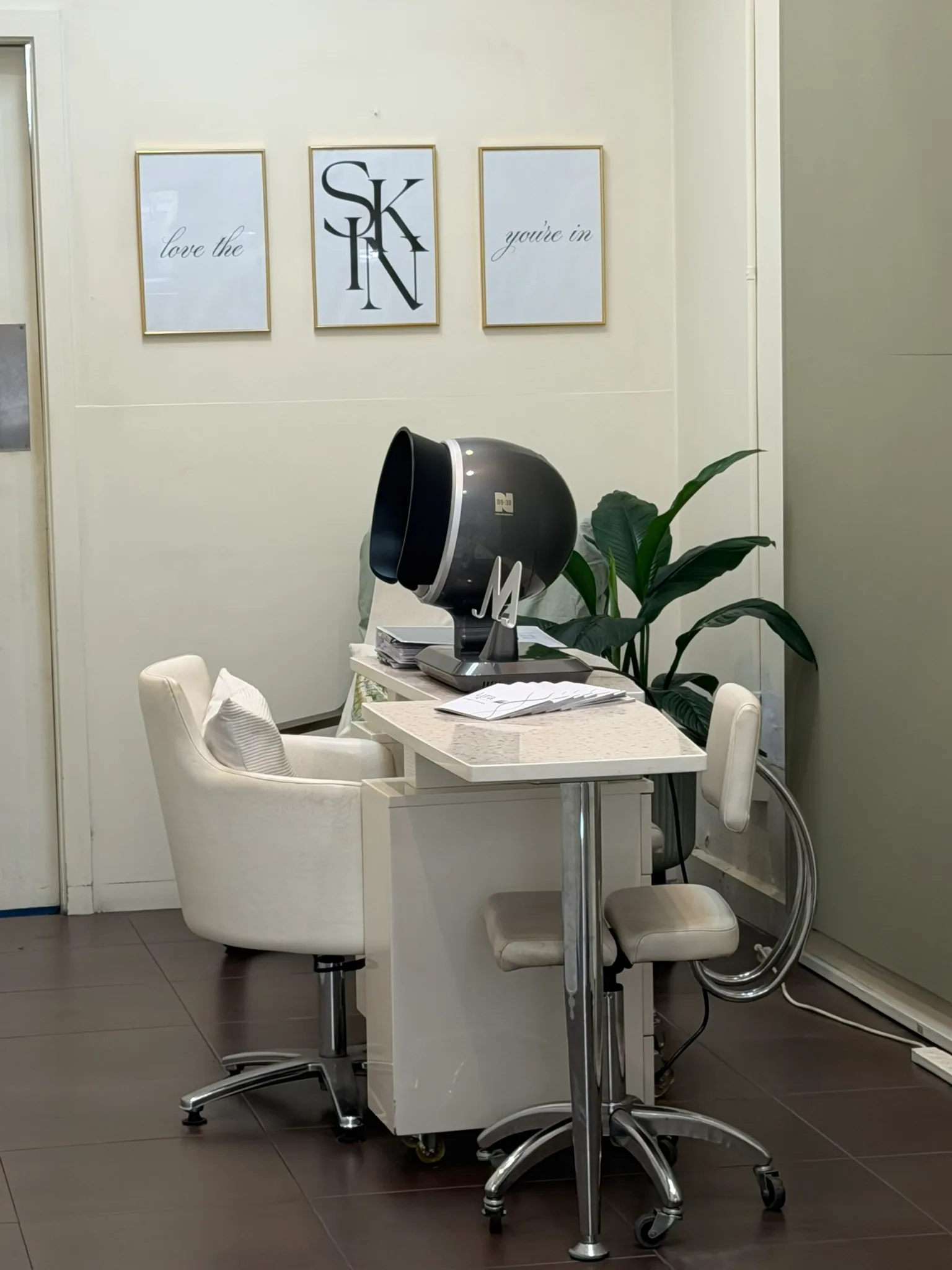
Core Aesthetics is at 12A Atherton Road, Oakleigh VIC 3166. Phone 0491 706 705. Corey Anderson is a Registered Nurse with Ahpra registration NMW0001047575.
Use the verification page and independent Ahpra public register to confirm practitioner details before booking.
Questions About The Leading Movement Area
What is a movement ownership check?
It compares forehead folding, central frown lines, outer eye smile lines and features that remain at rest. You choose the area that best matches the concern and one expression you want preserved.
Can more than one area own the concern?
Yes. Forehead, brow, frown, outer eye, cheek and skin relationships can overlap. Corey identifies the leading area while keeping the supporting movements and natural facial balance in context.
How do resting lines differ from movement lines?
Movement lines appear or strengthen during an expression. Resting creases, texture and shadows remain without deliberate movement. Direct assessment helps separate them because lighting and posing can change photographs.
Which page should I use when forehead folding leads?
Use the focused Caulfield forehead guide when horizontal lines increase with brow lift or when brow and upper eyelid context is central. Stay here when several movement areas still need sorting.
What should I bring after previous cosmetic care?
Bring approximate dates, treated areas, clinic details, available records and a plain description of what changed. Add current medicines, relevant health and skin history and ordinary photographs when useful.
Is Core Aesthetics located in Caulfield?
No. Core Aesthetics is in Oakleigh. Check directions from your actual starting point, allow comfortable arrival time and consider whether returning to the clinic for review would be practical.
Why does Corey compare the leading line at rest and during natural movement?
A line that appears only with expression is a different question from a crease that remains at rest, and more than one movement area can contribute. Corey maps forehead, frown, outer eye, brow, eyelid and cheek relationships with skin and natural asymmetry. This identifies the real priority and the expression you want preserved before options are discussed.
Is this for you?
Consider booking a consultation if
- Adults near Caulfield wanting broad wrinkle assessment before treatment discussion
- Patients who want consultation first explanation of movement lines, resting creases, risk and consent
- People comfortable comparing suitable options, adjusted timing, review needs and other clinical input
- Patients who want to verify Corey Anderson RN and practical review access before booking
This may not be for you if
- People asking for a predetermined plan without assessment, consent or risk discussion
- People with urgent medical symptoms, active infection, acute swelling or rapidly changing facial symptoms
- People wanting a fixed cosmetic change before movement, resting lines and skin quality are assessed
- People seeking elective cosmetic care for someone who cannot provide informed consent
Suitability is confirmed at consultation. This list is general guidance, not a substitute for clinical assessment.