For a broad wrinkle concern near Glen Huntly, compare the feature at three distances: close mirror view, ordinary conversation distance and a whole face view. Note whether it remains the leading concern at rest and during natural expression, then name one movement or proportion you want preserved. Corey Anderson RN assesses forehead, frown, outer eye, resting lines, skin, brow, upper eyelid and cheek relationships with natural asymmetry, health and previous care context. Corey explains suitable options, material risks, alternatives, costs, timing and follow up. When clinically appropriate and informed consent is complete, suitable care can be planned.
How Do You Use The Three Viewing Distances?
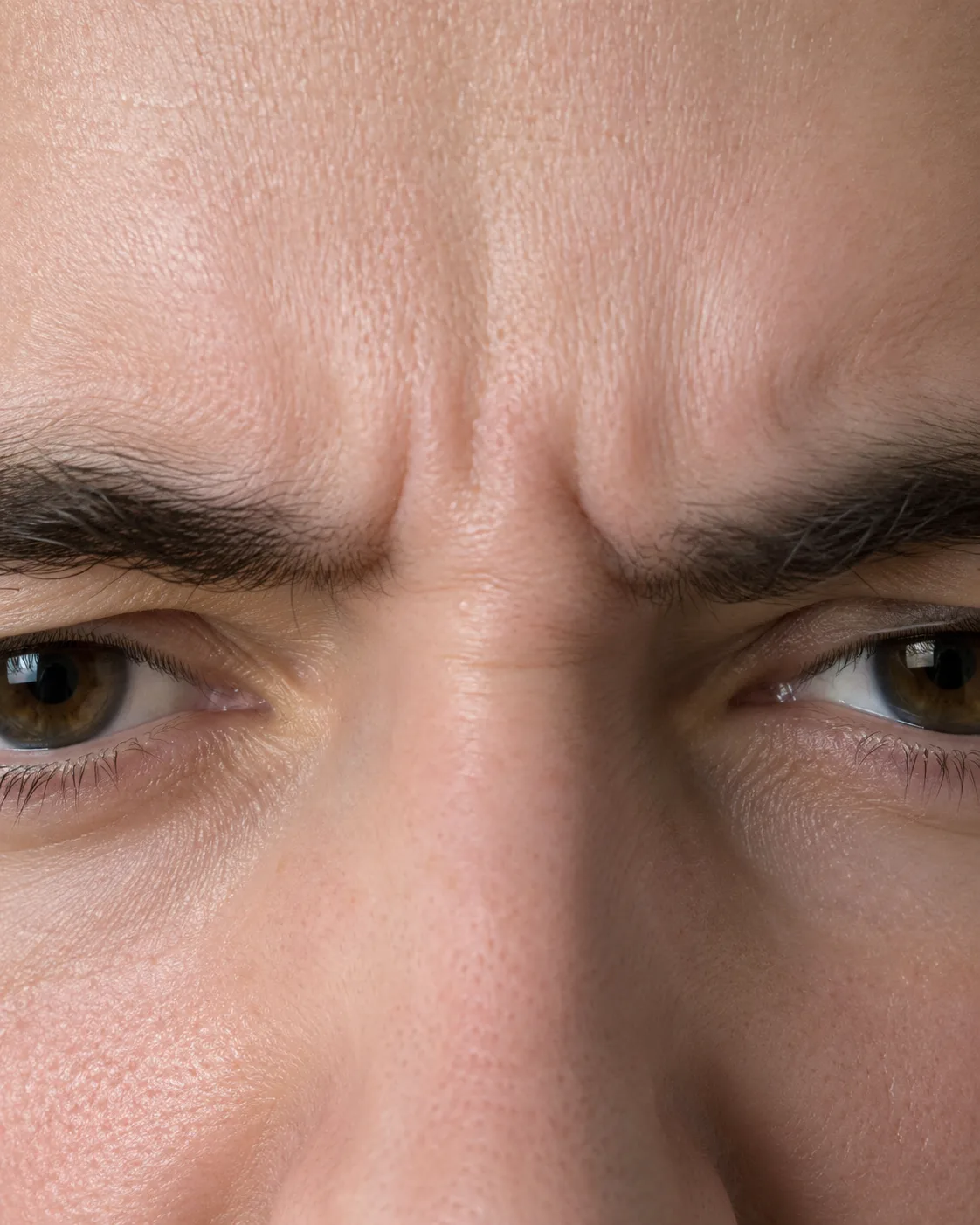
Observe the concern close enough to describe its location, then step back to ordinary conversation distance and finally look at the whole face in a neutral photograph or larger mirror.
Repeat at rest and in a natural expression. Write which distance makes the line lead and which expression or proportion should stay familiar.
What Does Each Distance Add?
| Distance | Useful observation | Common blind spot |
|---|---|---|
| Close view | Line direction, surface texture and exact location. | Magnification can make one feature dominate. |
| Conversation distance | How the line reads during speech and ordinary expression. | A still image can miss movement and social context. |
| Whole face view | Forehead, frown, outer eye, cheek and natural proportions together. | A broad view can hide fine surface detail. |
| Preservation view | The expression and balance you want to keep familiar. | Keep the concern in proportion with the wider face. |

Why Can A Close Mirror Change The Brief?
Very close viewing magnifies texture and removes the neighbouring features that establish proportion. Strong bathroom light and repeated checking can also make a stable crease seem more prominent.
The close view is useful for description, not for deciding cause or suitability. Corey restores movement, distance and whole face relationships during assessment.
What Does Corey Compare Across The Three Distances?
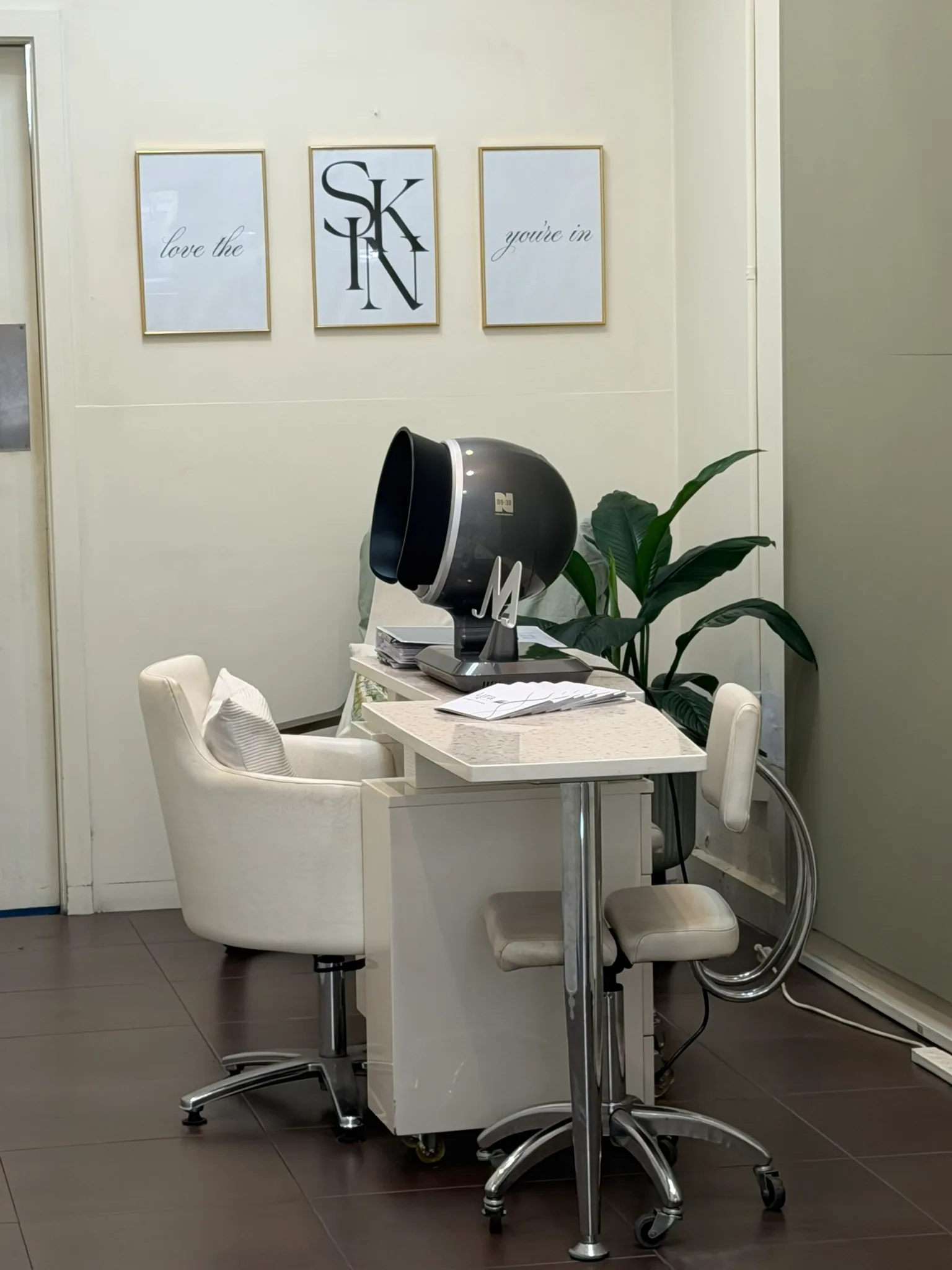
Corey observes the concern at rest and in natural movement, then places it within the upper and wider face.
| Assessment focus | Context restored |
|---|---|
| Forehead and brow | Horizontal folding, brow position and upper eyelid relationship. |
| Frown area | Central movement and how it changes nearby brow position. |
| Outer eye and cheek | Smile movement, skin texture and expression. |
| Resting line | Crease, shadow, surface and natural asymmetry after movement ends. |
| Whole face | Which feature truly leads and what should remain familiar. |
When Does A Focused Area Need Priority?
If one area remains clearly dominant at conversation and whole face distance, a focused guide can deepen the assessment. If the concern fades once context returns, the discussion may centre on skin, lighting, expectations or observation.
Corey can reframe the original label without dismissing the concern. Precision often creates a more comfortable and proportionate plan.
When Does Timing Or Another Clinical Pathway Help?
Active skin irritation, recent care still settling, missing records or an unexplained change may make adjusted timing, more information or another clinical review useful. New pain, visual change, weakness, altered sensation or rapidly changing asymmetry needs appropriate medical assessment.
When the pattern is stable and informed consent is complete, suitable care can be planned. A different clinically appropriate pathway can be incorporated when useful.
How Do Viewing Distance And Expression Shape Consent?
Option dependent risks may include temporary marks, swelling, tenderness, headache, asymmetry, heaviness, altered expression or balance, infection, delayed reactions, dissatisfaction and uncommon serious complications. Corey explains the risks relevant to the assessed option.
Consent records which distance and expression define the concern, what may remain unchanged, alternatives, costs, aftercare, warning signs and review access.
What Should You Bring To The Assessment?
Bring current medicines and supplements, allergies, relevant health and skin history, previous cosmetic care dates, available records and ordinary photographs when they help show change.
Add one observation for each distance, practical timing and the expression or facial balance you want preserved.
Which Guide Fits Once The Distance Check Is Clear?
Use the forehead guide when horizontal folds and brow relationships lead, the frown guide when central movement leads, or the outer eye guide when a natural smile leads.
Stay with this page when the main job is deciding whether a close concern still leads in ordinary facial context.
What Should You Read Next?
Use the Melbourne wrinkle guide for the wider service pathway or treatment suitability assessment for broader health, expectation and timing preparation.
Choose the next page by the actual leading concern rather than by the closest keyword.
Questions About Close Conversation And Whole Face Views
What are the three viewing distances?
Compare the concern in a close mirror, at ordinary conversation distance and within the whole face. Repeat at rest and during natural expression, then note which distance makes the line lead.
Why can close viewing exaggerate a concern?
Very close viewing magnifies texture and removes neighbouring proportions. Strong light, camera distortion and repeated checking can make one stable line dominate even when it is less prominent in ordinary interaction.
What does conversation distance show?
Conversation distance restores speech, expression and how another person ordinarily sees the face. It helps distinguish a close surface detail from a feature that remains prominent during natural movement.
Why does whole face context matter?
Forehead, frown, outer eye, cheek, skin and natural asymmetry work together. The whole face view shows whether one line remains the priority once surrounding movement and proportion are restored.
What if a different area leads after assessment?
Corey can redirect the discussion to a focused forehead, frown, outer eye or skin pathway. Reframing the concern makes the plan more precise and does not mean the original booking was unnecessary.
Is Core Aesthetics located in Glen Huntly?
No. Core Aesthetics is in Oakleigh. Check directions from your actual starting point, allow comfortable arrival time and consider whether returning to the clinic for review would be practical.
Why can a close mirror change a facial line brief?
Very close viewing magnifies texture and removes the neighbouring features that establish proportion. Strong bathroom light and repeated checking can also make a stable crease feel dominant. Corey restores conversation distance, whole face context and natural movement, then asks whether the same concern still leads and what expression or balance should remain familiar.
Is this for you?
Consider booking a consultation if
- Adults near Glen Huntly wanting wrinkle and facial movement assessment before treatment discussion
- Patients who want a consultation-first explanation of movement lines, resting creases, risk and consent
- People willing to consider how assessment, timing, follow-up and other clinical input shape the plan
- Patients who want to verify Corey Anderson RN and the Oakleigh clinic before booking
This may not be for you if
- People asking for a predetermined plan without assessment, consent or risk discussion
- People with urgent medical symptoms, active infection, acute swelling or rapidly changing skin concerns
- People wanting a fixed cosmetic change before movement, brow support and skin quality are assessed
- People seeking elective cosmetic care for someone who cannot provide informed consent
Suitability is confirmed at consultation. This list is general guidance, not a substitute for clinical assessment.