A forehead consultation near Notting Hill can compare movement during screen concentration, bright office light, conversation and fatigue with lines that remain at rest. Corey Anderson RN assesses natural brow lift, eyelid context, frown contribution, skin quality, asymmetry and previous care. He reviews health history, medicines, workday habits and goals before explaining suitable options, material risks, alternatives, timing and follow up. When assessment and informed consent support an option, suitable care can be planned.
Does The Forehead Look Different At The Start And End Of The Workday?
Screen concentration, bright light, repeated meetings and fatigue can change how often the brows lift or the frown tightens. The forehead may look busier late in the day even when the resting baseline has changed very little.
Note when the concern is clearest. Corey compares that pattern with a relaxed face and ordinary expression before interpreting the line.
Why Does Workday Movement Need Its Own Assessment?
A still mirror view cannot show how the forehead supports the eyes during reading, conversation or concentration. A request based on one tired expression may also miss the contribution of lighting, posture or frown activity.
This guide helps people working around the Monash precinct prepare those observations without turning a workplace route into a different clinical standard.
Which Workday Moments Are Worth Noticing?
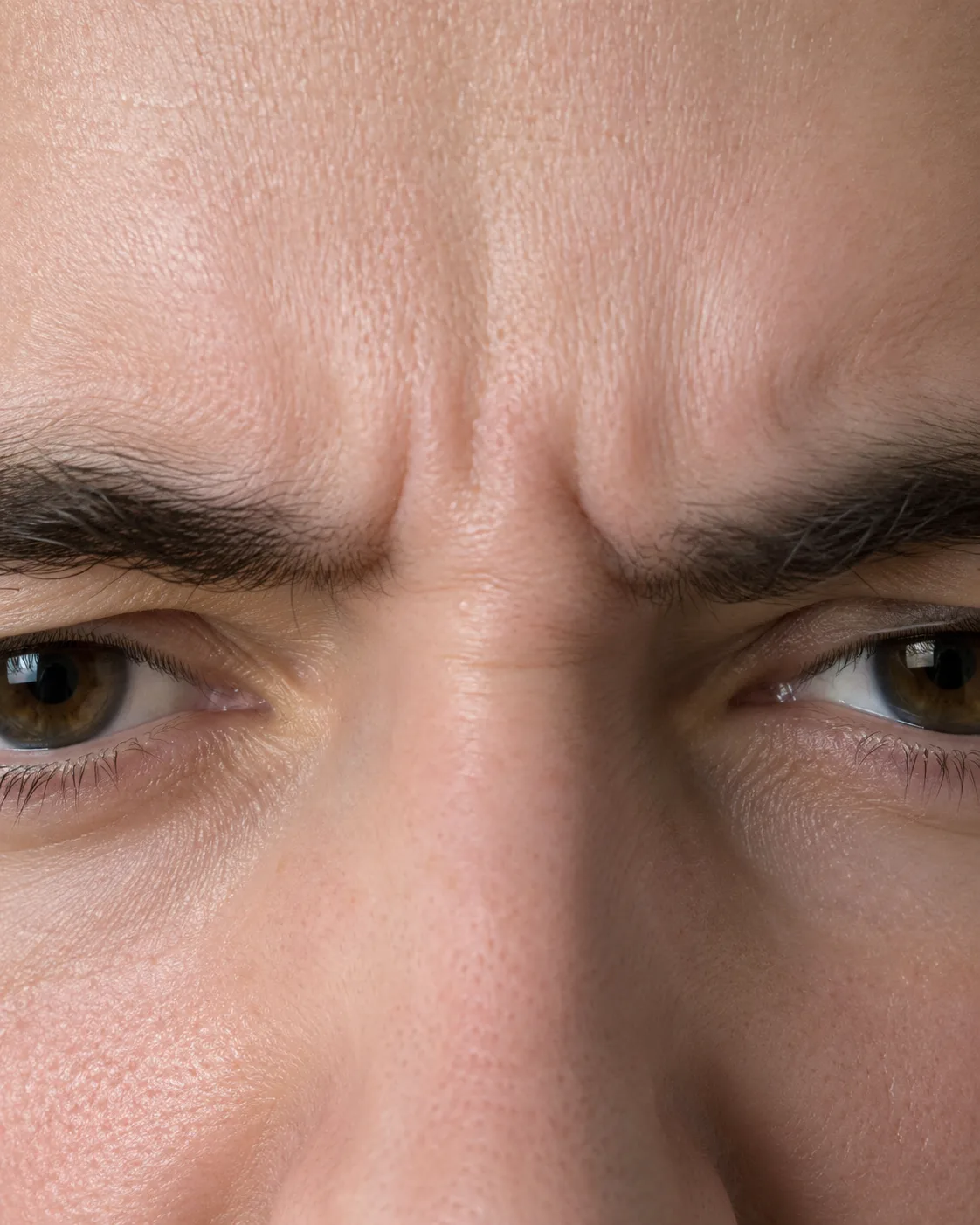
Notice whether the brows lift while reading small text, the frown draws inward during concentration, or bright light makes you narrow the eyes. Compare this with a relaxed morning or weekend expression.
You do not need to monitor every movement. Two or three ordinary examples can help Corey understand what happens naturally and which features you want to preserve.
How Does Corey Compare Movement With Rest?
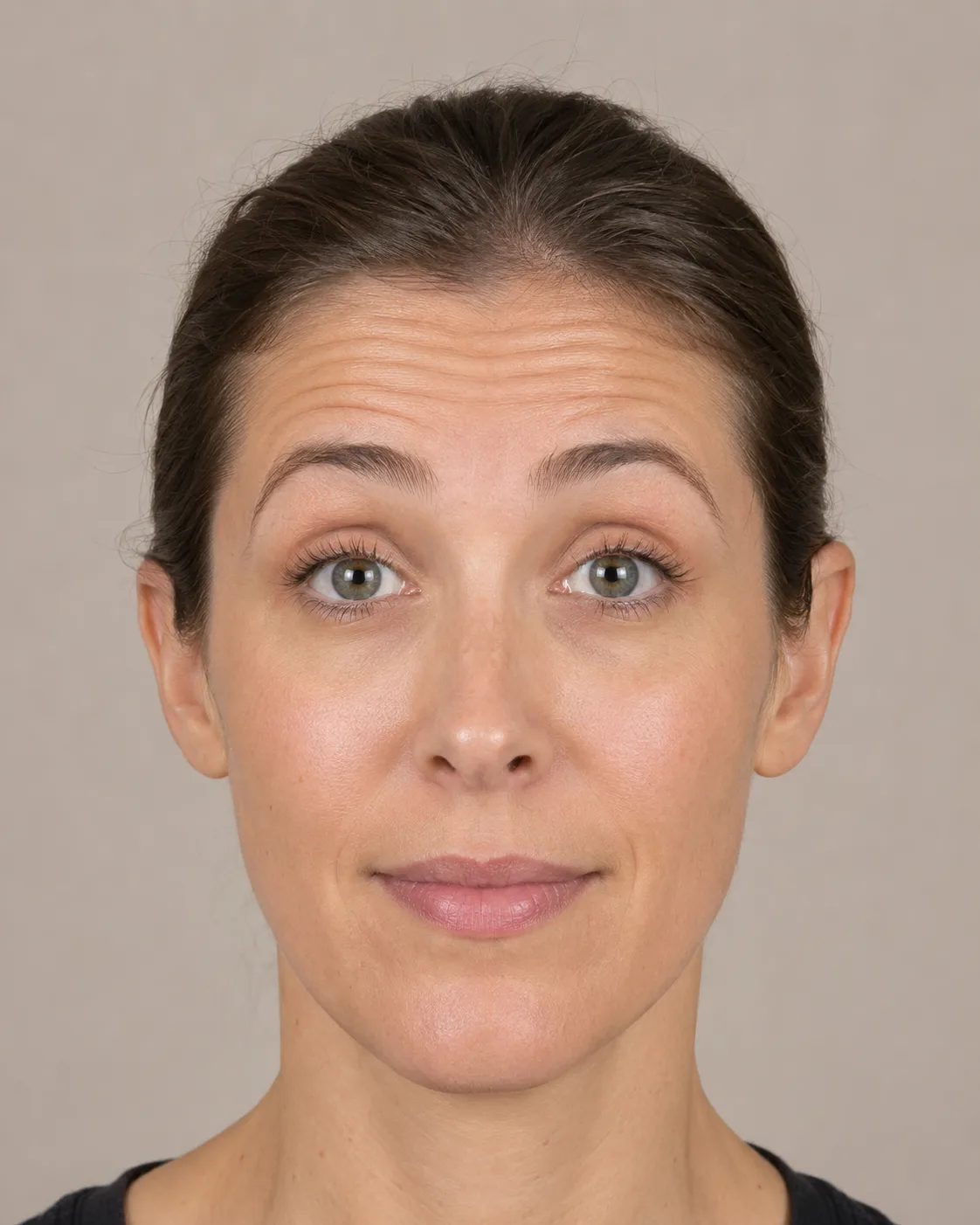
Corey observes natural eye opening, comfortable brow lift, inward frown and ordinary conversation, then allows the face to settle. He notes which horizontal lines depend on activity and which remain visible at rest.
Brow height, eyelid comfort, asymmetry, skin quality and previous cosmetic care are considered together. This is more informative than treating each line as an isolated mark.
Can Screen Strain Or A Health Concern Change The Pathway?
A cosmetic assessment cannot diagnose headache, eye strain, vision change or a new neurological symptom. Persistent or unexplained symptoms should be discussed with an optometrist, GP or another suitable clinician.
When the concern is stable, non urgent and cosmetic, workday habits still provide useful context. Corey can explain how movement and brow support influence suitable planning.
Which Risks And Expression Changes Are Discussed?
Possible downsides depend on the option and can include temporary marks, swelling, tenderness, headache, asymmetry, brow or eyelid heaviness, altered expression, dissatisfaction and uncommon serious complications. Corey explains warning signs and review access.
Consent should cover suitable options, expected limits, material risks, alternatives, costs, aftercare and follow up. Preserving comfortable eye opening and familiar expression belongs in that discussion.
What Should You Bring From A Busy Workday?
Bring a short note about when the movement is strongest, plus any ordinary photograph that shows the relevant expression. Include medicines, allergies, health changes, previous cosmetic care dates and upcoming commitments.
Mention whether you can return from the business precinct for review. Follow-up access should fit the plan from the beginning rather than being left until a question arises.
Which Guide Fits A Different Upper Face Question?
Use the forehead consultation guide for deeper movement education, the frown guide when inward concentration movement leads, and the broader wrinkle guide when several areas compete for attention.
For another route, compare the Clayton, Mount Waverley or Glen Waverley pages.
Questions About Workday Forehead Movement
Why can forehead movement increase during screen work?
Small text, concentration, posture and visual effort can increase brow lift or inward frown. Corey compares this with relaxed movement to understand whether the concern is workday dependent.
Does late day fatigue change the assessment?
Fatigue can alter eye opening, posture and habitual expression. Comparing different times helps Corey avoid treating one tired expression as the complete resting baseline and shows whether brow support changes with visual effort.
Why are the brows and eyelids assessed together?
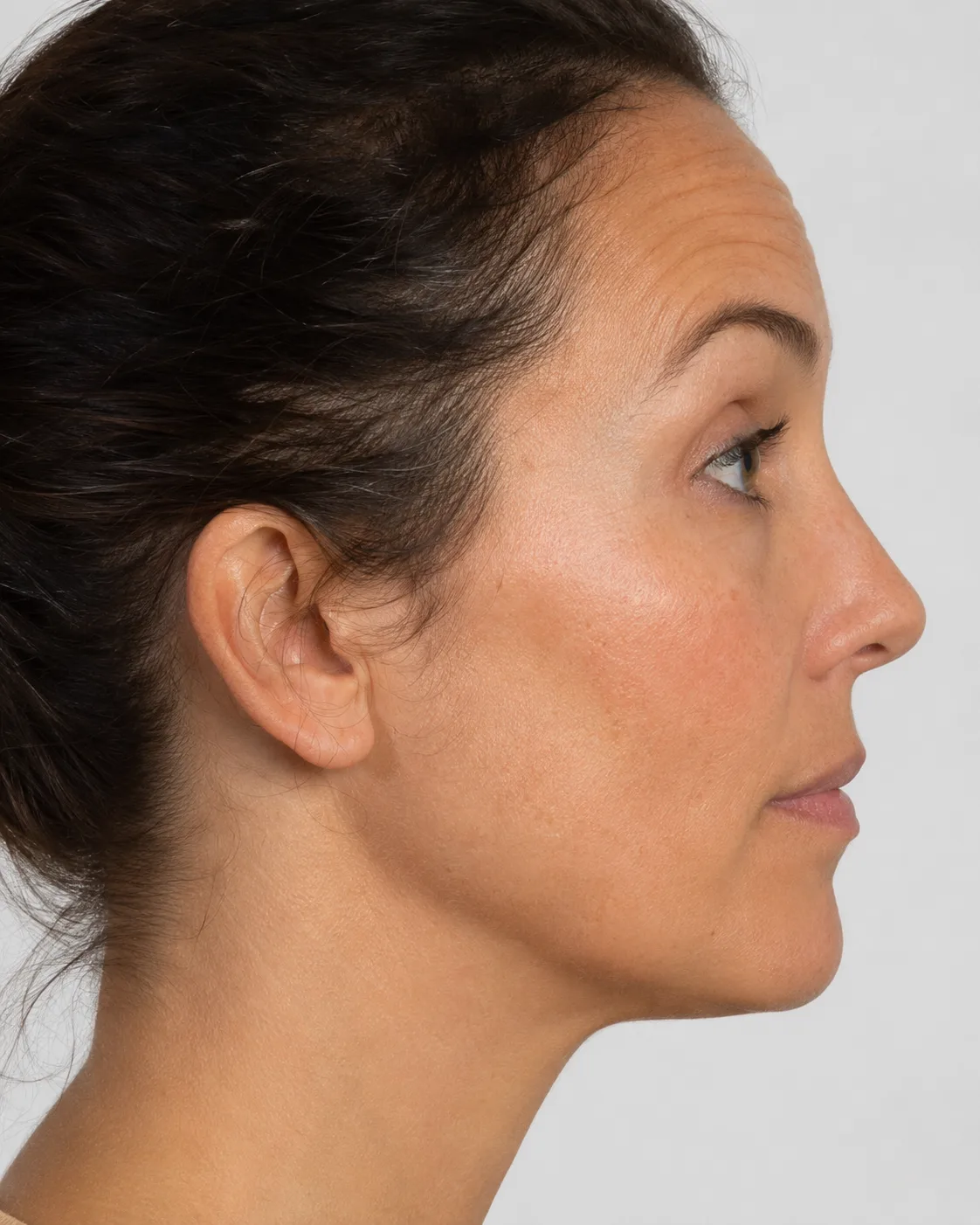
The forehead helps lift the brows. Corey considers brow height, eyelid comfort, asymmetry and frown pull to understand whether that movement supports openness or familiar expression.
Should headache or vision change be assessed cosmetically?
No. Persistent headache, vision change, sudden weakness or another unexplained symptom needs assessment by an appropriate health professional. A cosmetic consultation cannot diagnose those concerns.
What should I record before the appointment?
Note whether bright light, screen reading, meetings, conversation or fatigue makes the movement clearest. Bring relevant photographs, previous care dates, medicines, health changes and timing constraints.
Which risks may be discussed?
Depending on the option, Corey may discuss temporary marks, swelling, tenderness, headache, asymmetry, brow or eyelid heaviness, altered expression, dissatisfaction and uncommon serious complications, plus warning signs and review access.
How should I plan the trip from the Monash precinct?
Check current traffic or public transport from your actual starting point and allow enough time for an unhurried assessment. Consider whether returning to Oakleigh for review would be practical.
A Short Workday Observation Checklist
- Compare a relaxed morning expression with concentration or late day fatigue.
- Notice whether screen text, bright light, conversation or inward frown leads the movement.
- Bring previous care dates, health details and the expressions you want preserved.
- Allow enough time for questions and realistic follow up planning.
How Can The Next Step Remain Comfortable?
When assessment and consent support an option, suitable care can be planned. Adjusted timing, more information or clinical input can also be incorporated when that makes the decision clearer.
The aim is a calm explanation of what Corey observed and a plan that fits your movement, goals and ability to return for review.
Is this for you?
Consider booking a consultation if
- Adults near Notting Hill wanting forehead line and brow position assessment before treatment discussion
- Patients who want a consultation-first explanation of movement lines, resting lines, risk and consent
- People willing to consider how assessment, timing, follow-up and other clinical input shape the plan
- Patients who want to verify Corey Anderson RN and the Oakleigh clinic before booking
This may not be for you if
- People asking for a predetermined plan without assessment, consent or risk discussion
- People with urgent medical symptoms, active infection, acute swelling or rapidly changing skin concerns
- People wanting a fixed cosmetic change before brow position and movement are assessed
- People seeking elective cosmetic care for someone who cannot provide informed consent
Suitability is confirmed at consultation. This list is general guidance, not a substitute for clinical assessment.