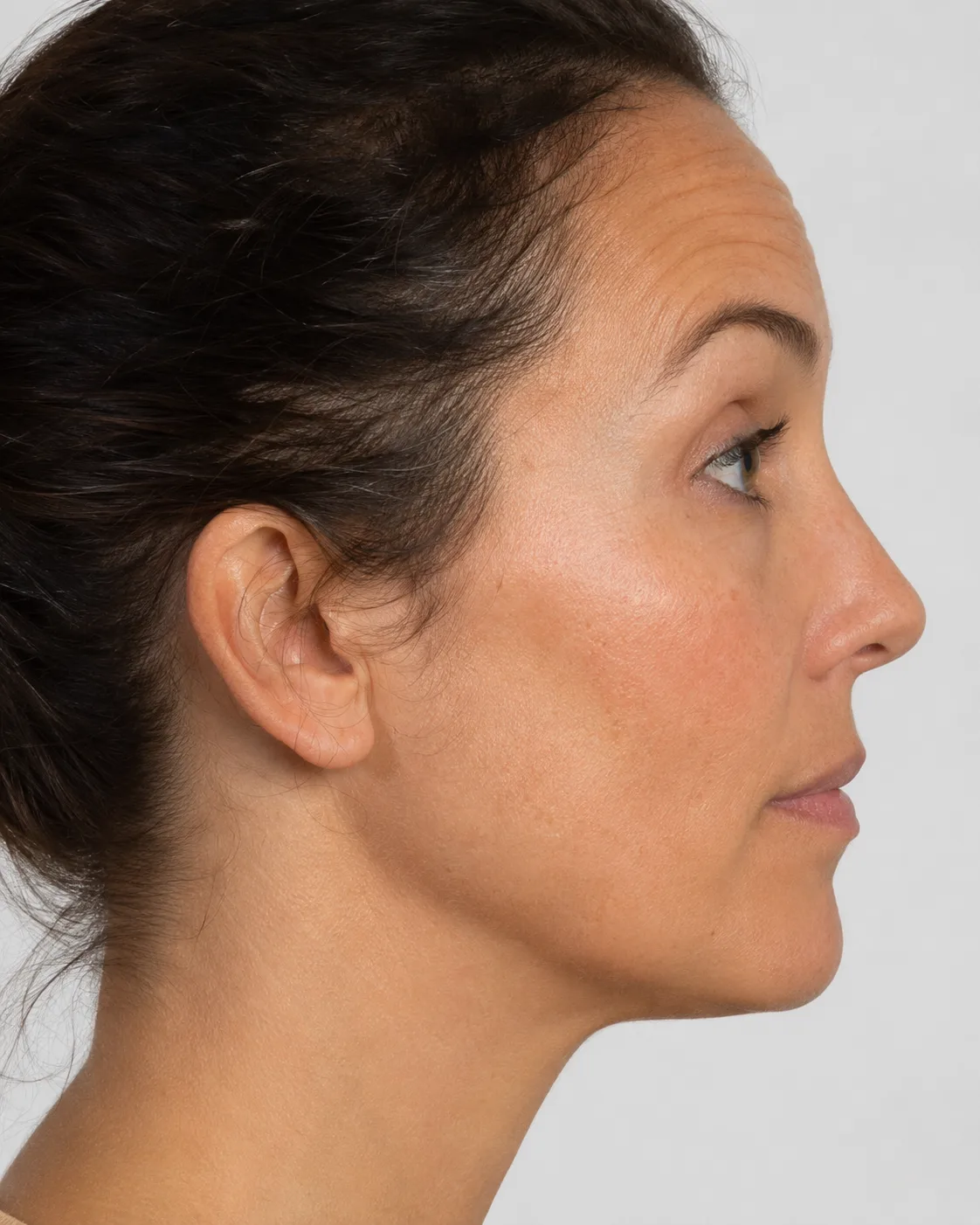
For a forehead wrinkle consultation near St Kilda, compare four conditions: comfortable indoor light, outdoor shade, bright glare, and the face after the light trigger is removed. Note whether the eyes narrow, brows draw inward, forehead lifts, or horizontal lines remain after relaxation. Corey Anderson RN combines the comparison with direct assessment of brow support, eyelid comfort, natural asymmetry, skin, previous care, health, medicines, risks and expectations. Suitable care can be planned when individual assessment and informed consent support it.
Why Compare Shade With Glare?
Glare can recruit the eye area, central brows and forehead at the same time. Outdoor shade reduces the light trigger while keeping the person in a similar setting, and indoor rest provides another baseline.
The comparison does not diagnose light sensitivity or select a procedure. It identifies which movement deserves direct assessment.
What Belongs In The Four Condition Comparison?
| Condition | What to observe | Question for assessment |
|---|---|---|
| Indoors | Brow position, eyelid comfort and line at rest | What is the comfortable baseline? |
| Outdoor shade | Ordinary expression without direct glare | Does the pattern remain outside? |
| Bright light | Eye narrowing, inward pull or upward lift | Which movement responds to glare? |
| Recovery | What fades, softens or remains afterwards | How quickly does the face return to baseline? |
What Does Comfortable Indoor Light Show?
Observe natural conversation in ordinary indoor light, then allow the face to relax. Note brow position, eyelid comfort, horizontal forehead lines and natural side to side differences.
This is a reference condition, not a demand for a completely still or symmetrical face.
Why Add Outdoor Shade?
Shade keeps outdoor posture, wind and surroundings while reducing direct glare. It helps show whether the forehead pattern is tied mainly to light or remains during ordinary outdoor expression.
Do not stare toward bright light as a test. Visual comfort and ordinary sun protection come first.
Which Movements Can Bright Light Recruit?
Some people narrow the eyes, draw the brows inward, lift the forehead or combine these actions. Wind, concentration and head position can add further temporary expression.
Describe what happens naturally. Corey can observe gentle movements indoors without requiring a forceful demonstration.
What Does The Return To Rest Reveal?
After leaving the bright condition, note whether the brows and forehead relax promptly and whether a line fades, softens or remains. The recovery pattern helps separate a situational expression from the resting baseline.
A resting line is considered with skin, facial support, history and expectations rather than treated as an automatic indication.
When Does An Eye Or Medical Question Lead?
New light sensitivity, eye pain, visual change, severe headache, weakness or another unexplained symptom needs assessment through an appropriate health or eye care pathway.
The cosmetic consultation can record relevant history, but it does not replace medical, optometry, ophthalmology or urgent assessment.
How Are Brow Support And Eyelid Comfort Assessed?
Corey observes brow height, eyelid comfort, forehead lift, central brow pull, return to rest and natural asymmetry. He considers whether the forehead is contributing support during ordinary expression.
The goal is to understand the present relationship, not promise a fixed brow position or exact symmetry.
How Does The Light Pattern Shape Risk Discussion?
Depending on a suitable option, discussion may include temporary marks, swelling, tenderness, headache, asymmetry, brow or eyelid heaviness, altered expression, dissatisfaction and a response that differs from expectations.
Corey explains alternatives, likely limits, total cost, aftercare, follow up and relevant warning signs. A cosmetic option is not expected to resolve glare or an underlying eye symptom.

Where Is The Light Comparison Reviewed?
Core Aesthetics is at 12A Atherton Road, Oakleigh VIC 3166. Phone 0491 706 705. Corey Anderson is a Registered Nurse with Ahpra registration NMW0001047575.
Bring the four observations, relevant health and medicine information, previous care details and any eye assessment context that is relevant.
Can The Light Comparison Lead To Suitable Care?
Corey combines the comparison with direct assessment, health history, medicines, previous care, expectations, risks, alternatives and review access. Suitable care can be planned when individual assessment and informed consent support it.
More information, adjusted timing, another clinical review or a different pathway can be incorporated when useful. The consultation remains constructive even when an eye or light question also needs attention.
What Is The Boundary Of This Glare Guide?
Can bright outdoor light make forehead lines look stronger?
Yes. Glare may trigger eye narrowing, inward brow pull, upward forehead lift or a combination. Compare the expression with outdoor shade and comfortable indoor light before interpreting the pattern.
Why compare outdoor shade with indoors?
Shade reduces direct glare while preserving an outdoor setting, and indoors provides a comfortable reference. The comparison helps identify whether light, wind, posture or ordinary movement changes the concern.
Should I recreate a strong squint during consultation?
No forceful demonstration is needed. Describe when the concern occurs, while Corey can observe gentle requested movement, ordinary conversation and return to rest in a controlled setting.
What does return to rest show?
It shows whether brows and forehead relax promptly and whether a line fades, softens or remains. Corey considers that recovery pattern alongside skin, support, history and natural asymmetry.
When should an eye care pathway lead?
New light sensitivity, eye pain, visual change, severe headache or unexplained symptoms need appropriate health or eye assessment. Cosmetic consultation does not replace those pathways.
Can sunglasses determine whether cosmetic care is suitable?
No. Sun protection and visual comfort may change how often someone squints, but suitability depends on direct assessment, relevant history, risks, alternatives, expectations and informed consent.
Is Core Aesthetics located in St Kilda?
No. The clinic is in Oakleigh. Check travel from your actual starting point and make sure returning for review would be practical before selecting an appointment time.
Is this for you?
Consider booking a consultation if
- Adults near St Kilda wanting forehead line and brow position assessment before treatment discussion
- Patients who want a consultation-first explanation of movement lines, resting lines, risk and consent
- People comfortable comparing suitable options, adjusted timing, review needs and other clinical input
- Patients who want to verify Corey Anderson RN and the Oakleigh clinic before booking
This may not be for you if
- People asking for a predetermined plan without assessment, consent or risk discussion
- People with urgent medical symptoms, active infection, acute swelling or rapidly changing skin concerns
- People wanting a fixed cosmetic change before brow position and movement are assessed
- People seeking elective cosmetic care for someone who cannot provide informed consent
Suitability is confirmed at consultation. This list is general guidance, not a substitute for clinical assessment.