Consultations at Core Aesthetics

Cosmetic Consultation and Skin Assessment in Australia

The most important stage in aesthetic treatment is not the injection, it is the consultation that comes before it. Decisions made in consultation determine everything that follows.

Quick summary

A cosmetic consultation at Core Aesthetics is a structured clinical assessment of facial anatomy, skin condition, and movement patterns. It determines whether treatment is appropriate, what, if anything, should be treated, and whether proceeding is in the patient’s best clinical interest.

What a Cosmetic Consultation Actually Is

A cosmetic consultation is not a step that happens before treatment. It is a clinical process that determines whether treatment should happen at all. In aesthetic medicine, outcomes are shaped almost entirely by the quality of assessment and decision making before any product is used. A consultation that is thorough establishes what is genuinely present, what is within normal variation, and what – if anything – treatment can meaningfully improve. A consultation that is rushed or superficial produces decisions without adequate clinical grounding, which increases the risk of inappropriate intervention.

Why Consultation Is the Most Important Clinical Stage

It is during consultation that the most significant decisions are made: whether to treat, what to treat, how much to change, and what to leave alone. These decisions cannot be made accurately from a photograph, a description, or a treatment menu. They require direct assessment of the individual face – its structure, its movement, and the relationship between different regions. Everything that happens during an injection session is the execution of decisions already made. The quality of those decisions is entirely dependent on the quality of the consultation that preceded them.

What Skin Assessment Involves Beyond Surface Appearance

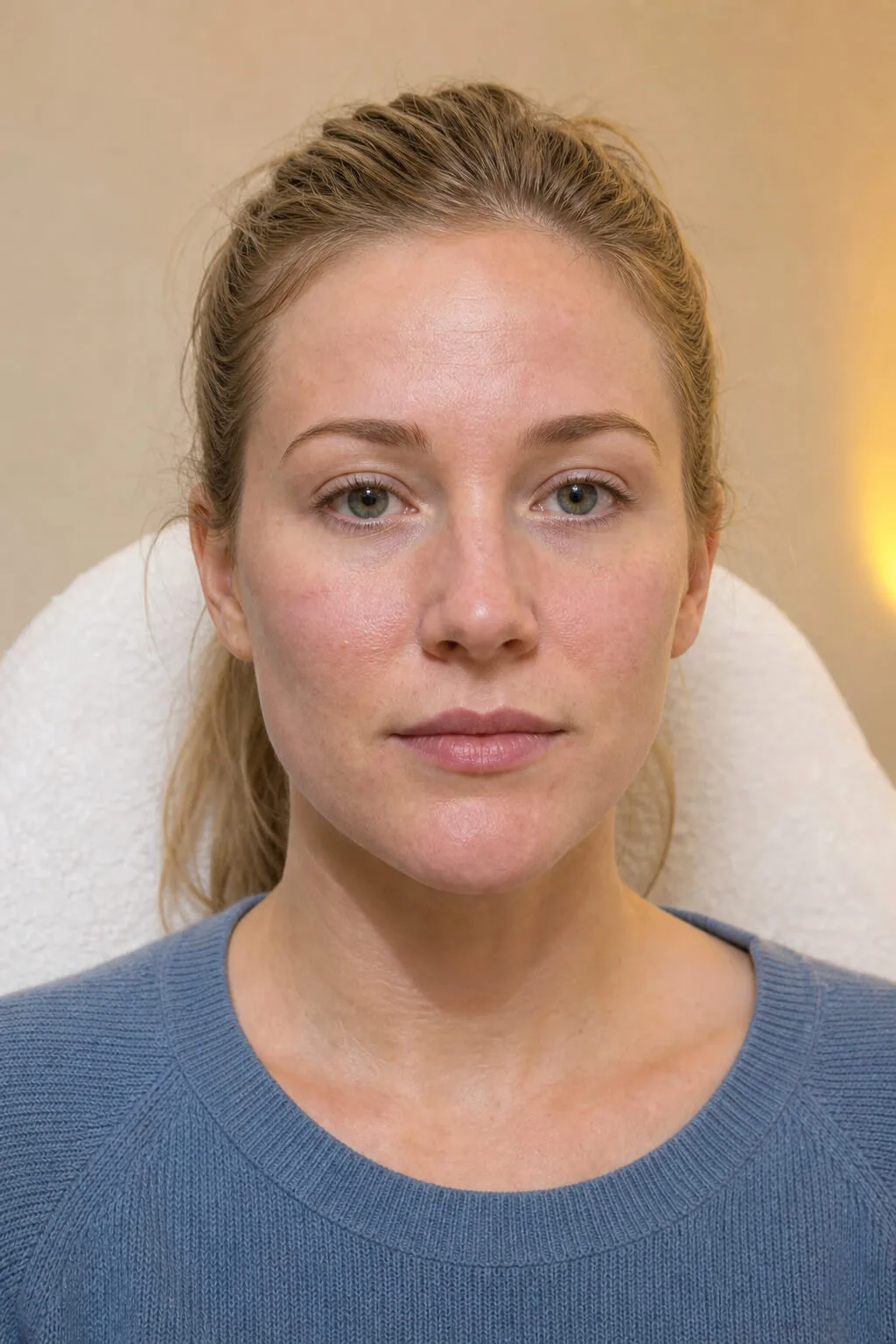
Skin assessment in a cosmetic consultation context goes beyond identifying surface concerns. It includes evaluating skin thickness – which affects how structural changes appear at the surface – elasticity and the degree of support provided by underlying tissue, hydration status, and the extent of environmental or age related structural change. These factors influence how the face responds to treatment and what types of intervention are appropriate. Skin focused concerns that appear on the surface often have structural origins – and addressing the surface alone without understanding the underlying cause rarely produces durable results.

Why the Face Must Be Assessed as a Structural System

The face is not a collection of separate concerns. It is an integrated structural system in which bone, fat, muscle, and skin interact continuously. Changes in one layer affect how others are perceived. A reduction in mid face support alters how the lower face looks. Forehead movement affects brow position. Volume in the lip area influences how the perioral region appears. Treating individual features without understanding these relationships risks producing changes that appear isolated or disproportionate. Whole face assessment is not a luxury – it is a clinical requirement for appropriate treatment planning.

Why Patient Concerns Must Be Interpreted Within Clinical Context

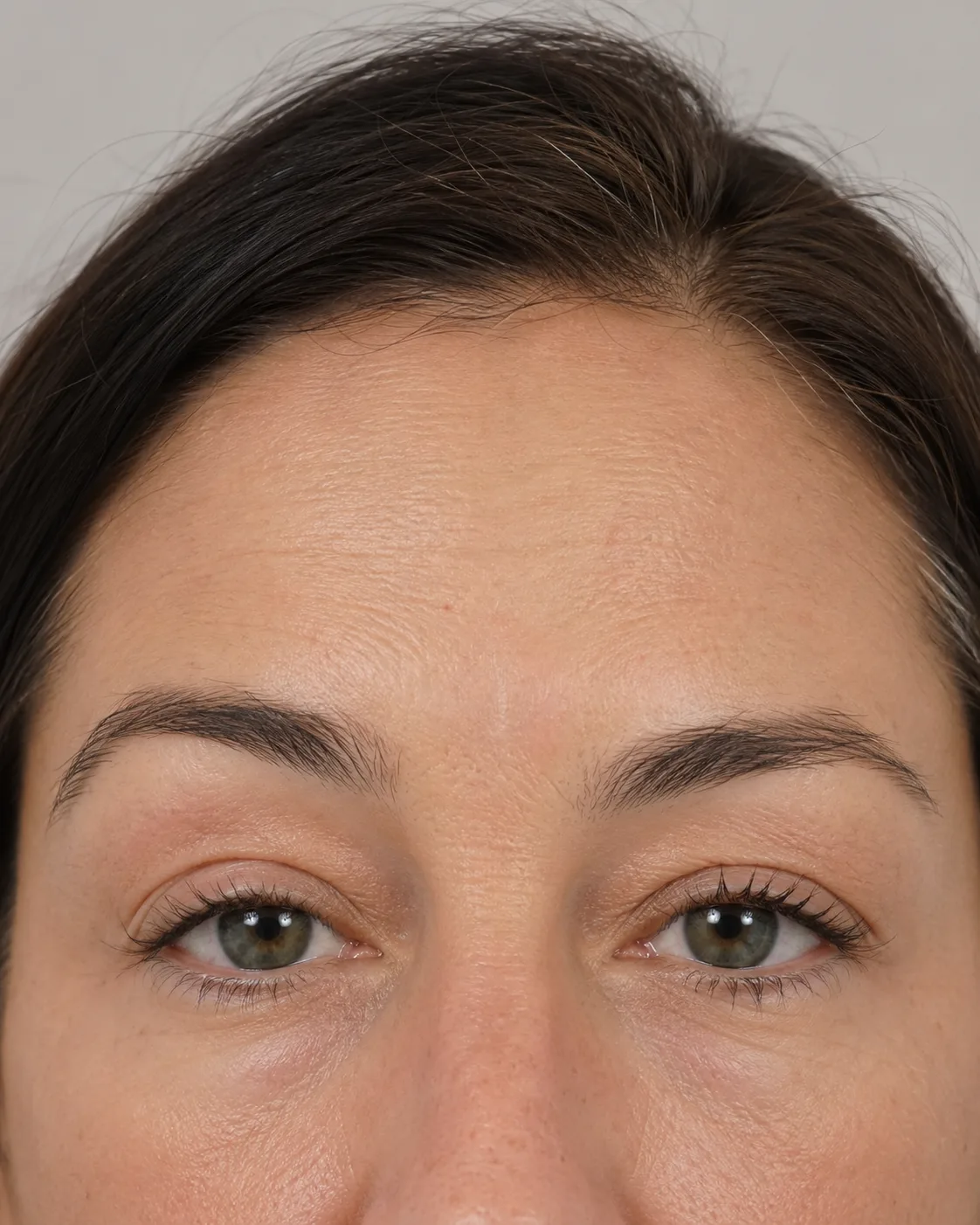
What a patient notices about their own face is an important starting point for consultation – but it is not the endpoint. Perceived fatigue may be related to brow position or mid face structure, not skin condition. Lines that appear prominent may reflect movement patterns rather than accelerated ageing. Volume concerns may be proportional issues rather than actual tissue loss. A skilled consultation translates patient concerns into structural observations, then assesses whether those observations represent a clinical indication for treatment. Without this interpretive step, treatment becomes reactive rather than considered.

Why Not All Concerns Lead to Treatment Recommendations

In some consultations, the most appropriate outcome is no treatment. This can occur when facial structure is already in good balance, when concerns reflect normal anatomical variation, when treatment would not meaningfully improve facial harmony, or when the risks of intervention outweigh any potential benefit. This is not a failure of consultation. It is responsible clinical practice. Patients who are told that treatment is not warranted have received an honest assessment – which is the most valuable thing a consultation can produce.

What Informed Consent Actually Means in This Context

In Australia, aesthetic treatments are prescription only medical procedures. This means informed consent is not a form to be signed. It is a clinical process. It includes a clear explanation of what is being proposed and why, what the realistic expectations are, what the risks and limitations are, what alternatives exist (including no treatment), and whether the patient genuinely understands and freely agrees to proceed. A consent process that is rushed, incomplete, or conducted after a decision has already effectively been made does not meet this standard. At Core Aesthetics, informed consent is part of the clinical assessment – not a formality that follows it.

Booking a Consultation from Australia Skin Assessment

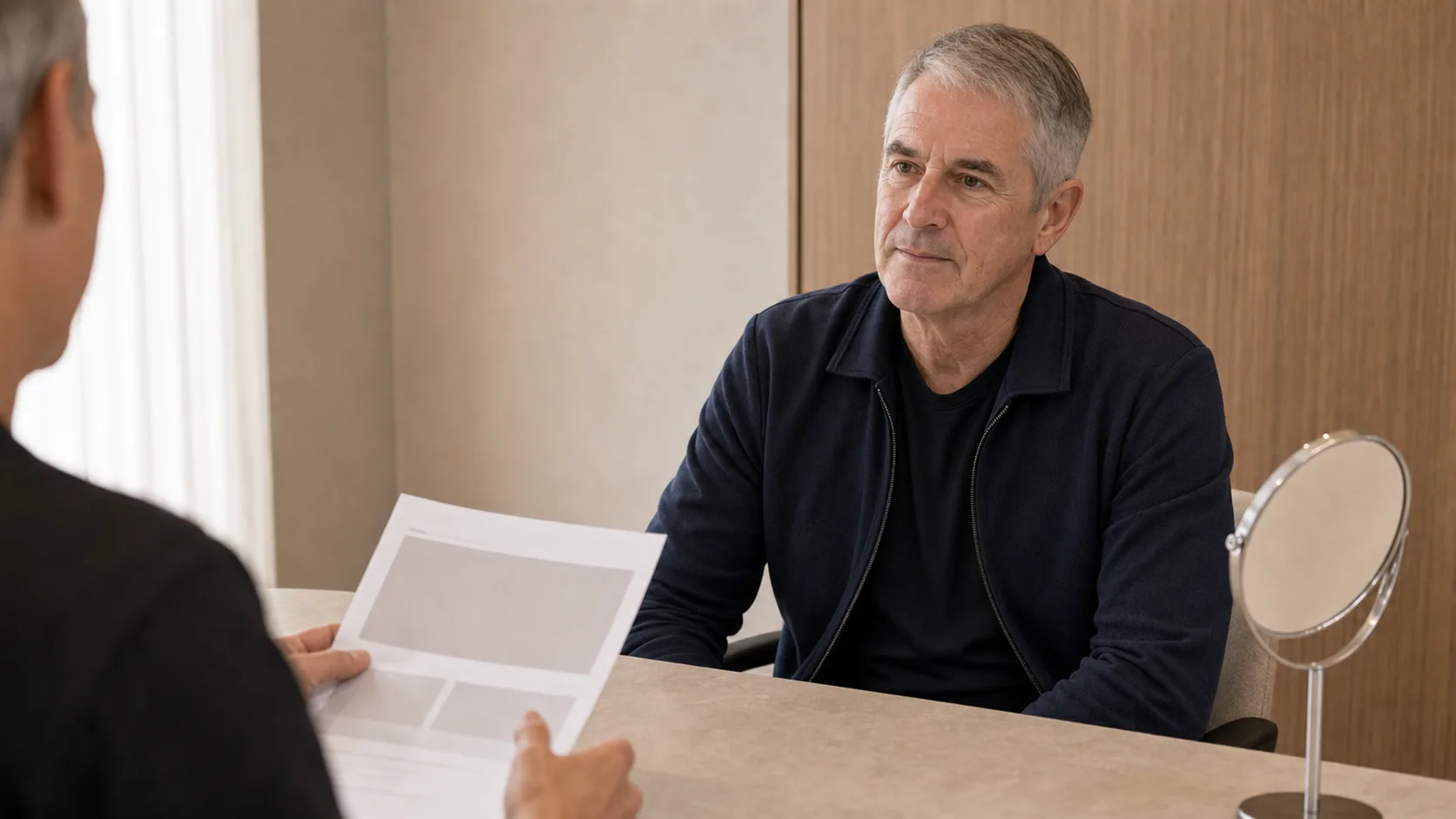
Patients from Australia Skin Assessment can book a consultation at Core Aesthetics online or by phone. The consultation is a standalone appointment, separate from any treatment session, and is conducted by Corey Anderson, the registered nurse who runs the practice. All consultations at Core Aesthetics are with the treating practitioner, not a patient coordinator or clinic manager.

The consultation appointment covers your medical history, your current medications and any previous injectable treatments, an assessment of the area or areas of concern, and a clinical recommendation that addresses what treatment, if any, is appropriate for your specific circumstances. You leave the consultation with a clear understanding of what has been recommended, why, and what the treatment process would look like if you decide to proceed.

The consultation is the right moment to ask every question you have about treatment, what it involves, what the risks are, what results are realistic for your anatomy, how the review process works, and what the long term maintenance cycle looks like. There is no pressure to proceed following a consultation, and no time limit on acting on the assessment.

What the Consultation Covers

The consultation at Core Aesthetics is a standalone appointment, scheduled separately from the treatment session. During the consultation, the registered nurse practitioner takes a full medical history, reviews your current medications and any previous injectable treatments, assesses your facial anatomy in detail, and develops a treatment plan specific to your face and your goals. Clinical photographs are taken as a baseline record.

The consultation is also where every question you have about the procedure is answered, what the treatment involves, what the realistic range of outcomes looks like, what the risks are, what the review process entails, and what the treatment cycle looks like over time. By the time you attend your treatment appointment, you will have had all of this information in advance, with time to reflect and ask any follow up questions that arise.

This separation of consultation from treatment is a deliberate clinical choice. It ensures that no treatment decision is made under time pressure, and that every procedure has been preceded by a thorough, unhurried assessment. Results vary between individuals, and the consultation is where the specific factors relevant to your anatomy and circumstances are identified and addressed.

Why the Consultation Is a Separate Appointment

The consultation based model at Core Aesthetics is not a procedural formality, it is the structural feature of the practice that makes considered, proportionate outcomes possible. When the consultation is conducted as a separate appointment from the treatment, the practitioner has the opportunity to assess your anatomy thoroughly, develop a treatment plan without time pressure, and ensure that you have the information you need to make an informed decision before committing to anything.

Practitioners who assess and treat in the same appointment, or who offer a brief consultation immediately before the procedure, are making treatment decisions in a time compressed context. That compression affects what gets assessed, what gets discussed, and what questions the patient has the opportunity to ask. The outcomes of that model reflect the constraints of the process.

At Core Aesthetics, the consultation is also where the practitioner may recommend against treatment, or may recommend a different approach to the one you arrived with. That recommendation reflects a clinical assessment of your anatomy and circumstances, not a sales decision. AHPRA-registered practitioners are bound by professional standards that require clinical decisions to be made in the patient’s best interest, and this clinic takes that obligation seriously.

Getting to Core Aesthetics from Australia Skin Assessment

Core Aesthetics is located at 12A Atherton Road, Oakleigh, a practical, accessible location for patients travelling from Australia Skin Assessment and the surrounding south east Melbourne area. The clinic is within easy reach by car, with parking available on site and in the surrounding streets. Oakleigh is also well served by public transport, with train services on the Pakenham and Cranbourne lines stopping at Oakleigh station, a short walk from the clinic.

Choosing a one practitioner clinic close to home means that consultation, treatment, and review appointments are manageable to attend in sequence, which is how the care model at Core Aesthetics is structured. Each treatment cycle involves at least three appointments: the initial consultation, the treatment session, and the review at four to six weeks. A clinic that is inconvenient to access is one that patients are less likely to return to for review, which disrupts the continuity of care that supports better outcomes over time.

What the Assessment Covers

The assessment at the consultation appointment is a face wide evaluation, not a focused review of only the area you have identified as a concern. This full face approach is deliberate: anatomical features interact with each other, and addressing one area in isolation, without understanding the broader facial context, can produce results that look disproportionate even when the individual area was technically treated well.

The practitioner evaluates facial symmetry, bone structure, soft tissue distribution, skin quality, and the dynamic movement patterns associated with each treatment area. The history taking covers your current medications, any previous injectable or surgical procedures, relevant health conditions, and any prior reactions or complications. From this assessment, the practitioner develops a treatment plan that reflects your specific anatomy and circumstances.

Results vary between individuals. What the assessment finds in one patient may be different from what it finds in another patient with a similar presenting concern, which is why templated treatment protocols are not used here. All treatments at Core Aesthetics are consultation based and individually assessed.

The Long-Term Approach

Most patients who pursue aesthetic treatment are thinking about the long term, even when they are not sure how to articulate that. The question is not just “what can I have done today” but “how do I age well over the next decade”. Those are different questions, and they require different conversations.

At Core Aesthetics, the planning conversation is oriented towards the long term. What does gradual maintenance look like over several years? Which areas are the highest priority given current changes? When should treatment begin, and when is it appropriate to wait? What is the realistic trajectory if treatment is maintained consistently versus started later?

These questions are best answered in the context of an individual assessment, because the answers depend on anatomy, rate of change, starting point, and personal goals, all of which vary. The consultation is where that conversation happens. Results vary between individuals, and a long term plan reflects that variability rather than applying a standard approach.

What AHPRA Registration Means in Practice

AHPRA registration is the regulatory standard for health practitioners in Australia, covering nurses, doctors, and other registered health professionals. For patients seeking aesthetic treatment, choosing an AHPRA-registered practitioner has practical implications that go beyond the credential itself.

AHPRA-registered practitioners are bound by professional codes of conduct, continuing education requirements, and the standards set by their individual registering boards. For registered nurses performing cosmetic procedures, AHPRA’s September 2025 guidelines for nonsurgical cosmetic procedures establish specific requirements around consultation structure, cooling off periods, advertising, and scope of practice.

These requirements exist because the regulatory framework recognises that aesthetic treatments involve prescription medicines, carry clinical risk, and require professional clinical judgement, not just procedural technique. A practitioner operating outside this framework, or in a setting where the regulatory requirements are not met, is operating in a context that does not provide the same patient protections. Corey Anderson, registered nurse (AHPRA NMW0001047575), meets the requirements of the current regulatory framework across all aspects of practice.

Before and After Your Appointment

Before your consultation appointment, there is no special preparation required. Come as you are, without makeup if you would like the assessment to include a clear view of the skin, but that is a personal preference rather than a clinical requirement. If you have had previous injectable treatments elsewhere, bringing any available records or photographs can be helpful, though not essential.

Before a treatment appointment, if you proceed following consultation, the practitioner will advise on any specific preparation relevant to the area being treated. This typically includes avoiding blood thinning medications and supplements in the days preceding treatment if clinically appropriate, and avoiding alcohol in the 24 hours prior. Full preparation guidance is provided at consultation.

After treatment, a detailed aftercare guide is provided covering the specific area treated. Review appointments are standard at four to six weeks. If you have questions or concerns before your review appointment, contact the clinic directly, the practitioner who treated you can address questions with full clinical context. Results vary between individuals, and the review appointment is the appropriate time to assess whether any adjustment is indicated.

About This Information

The information on this page is provided for general educational purposes. It is not a substitute for clinical advice and does not constitute a recommendation that you proceed with any particular treatment. Aesthetic treatments are prescription medical procedures. They carry risks that vary between individuals and that must be assessed and discussed in a clinical context before any treatment decision is made.

At Core Aesthetics, Corey Anderson assesses every patient individually. The consultation is the point at which your specific anatomy, medical history, and goals are evaluated together. No treatment is offered at a first appointment, and no treatment is appropriate for everyone. This page is a starting point, a way to understand what is involved before you decide whether a consultation is the right next step for you.

If you have questions about anything on this page or about whether treatment might be appropriate for your situation, you are welcome to call the clinic or book a consultation at no obligation.

This page provides clinical information about Cosmetic Consultation and Skin Assessment in Australia. It is intended for adults aged 18 and over who are considering aesthetic treatment and want to understand the clinical process, suitability factors, and what to expect from a consultation based practice. All treatment decisions at Core Aesthetics follow individual assessment, no treatment is offered at a first appointment without a separate consultation. Results vary between individuals and are reviewed at follow up.

Clinical accountability and consultation framework

The consultation framework in “Cosmetic Consultation and Skin Assessment in Australia” is the same one Corey Anderson, AHPRA registered nurse (NMW0001047575), uses with every new patient at Core Aesthetics. The September 2025 AHPRA cosmetic procedures guidelines require a separate consultation appointment before any aesthetic treatment for new clients. That requirement isn’t a paperwork formality, it changes what the consultation is for. It becomes the appointment where assessment, planning, and informed consent happen properly, separate from any treatment pressure. Results vary between individuals, but consultation quality is the single largest variable Core Aesthetics can control. The pages on this site try to describe what a consultation should actually feel like.

Specific to happens: a Core Aesthetics consultation is a paid clinical appointment, not a sales conversation. The consultation fee covers the practitioner’s time and the medical assessment; it does not commit the patient to any treatment, and there is no pressure to book one on the day. Some consultations end with a recommendation to defer treatment, to start with a different intervention, or to do nothing at all, that is a normal outcome, not a failed consultation. The consultation guide Melbourne page covers what happens on the day in more detail.

Patients reading this page who want to verify Corey Anderson’s AHPRA registration can do so directly on the AHPRA public register at ahpra.gov.au using registration number NMW0001047575. The Core Aesthetics clinic operates from 12A Atherton Road, Oakleigh VIC 3166, Tuesday to Saturday, by consultation appointment. All new patient treatment at Core Aesthetics follows a structured clinical consultation, consistent with the September 2025 AHPRA cosmetic procedures guidelines. Treatment may be scheduled for the same day as consultation or at a subsequent appointment, depending on clinical assessment and individual circumstances. Patients with questions about the content on this page can raise them at consultation; the practitioner is happy to walk through any clinical reasoning that the written content does not fully capture. Results vary between individuals, and the consultation is the appropriate place to discuss what those individual variations mean for a specific person’s treatment plan.

One closing observation about consultations: the appointment is structured to be useful even if the patient ultimately decides not to proceed with treatment. The facial assessment, the discussion of options, and the written record of recommendations all have value independent of any treatment decision. Patients sometimes use the consultation as a sense check after consulting elsewhere, or as preparation for a decision they want to make slowly. Both uses are appropriate. Patients researching the topic in more depth may find the patient safety aesthetic treatments page and the volume treatment bruising timeline page useful as further reading; both are written and reviewed under the same clinical accountability framework as this page.

Is this for you?

Consider booking a consultation if

  • You are 18 or older and in good general health
  • You are researching aesthetic treatments and want a clinical assessment of your options
  • You prefer a one practitioner, consultation based environment
  • You understand that treatment decisions are made individually, not based on a standard menu

This may not be for you if

  • You are pregnant, trying to conceive, or breastfeeding
  • You have an active skin infection or unhealed wound in a potential treatment area
  • You are under 18 years of age

Suitability is confirmed at consultation. This list is general guidance, not a substitute for clinical assessment.

Frequently asked questions

What happens during a cosmetic consultation at Core Aesthetics?

Consultation at Core Aesthetics is a structured clinical assessment that covers facial anatomy, skin condition, movement patterns, proportional relationships, and patient concerns. Corey Anderson RN will observe how your face moves, assess structural balance, and discuss what you have noticed. From this assessment, a clinical recommendation is made, which may include treatment, staged treatment, or no treatment at all.

Is skin assessment always included in an injectable consultation?

Yes. Skin condition is one of several clinical factors evaluated in consultation at Core Aesthetics. Skin thickness, elasticity, and structural support quality all inform treatment planning. Surface concerns are also assessed in the context of the underlying structural factors that may be contributing to them.

How long does a consultation typically take?

Consultation at Core Aesthetics is not time limited by a fixed schedule. The time required depends on the complexity of the assessment and the number of concerns being discussed. A thorough consultation takes as long as it needs to. Rushed consultations produce incomplete clinical information, which is why the process is designed to be unhurried from the outset.

Can I attend a consultation without committing to treatment on the day?

Yes. Consultation and treatment are separate clinical stages. Many patients choose to attend a consultation, receive the assessment, take time to consider the recommendation, and return for treatment at a later appointment. This is not only acceptable, it is encouraged where appropriate. Considered decisions consistently produce better outcomes than immediate ones.

What is the difference between consultation and treatment at Core Aesthetics?

Consultation is the assessment stage: it determines whether treatment is appropriate, what it would involve, and what the realistic outcomes are. Treatment is the execution stage: it delivers what the consultation determined was clinically appropriate. These stages are deliberately separated at Core Aesthetics. Treatment should not precede thorough assessment.

Does a consultation at Core Aesthetics cost anything?

Please contact Core Aesthetics directly for current consultation arrangements. Information is available at coreaesthetics.com.au or by calling the clinic. What matters clinically is that the consultation process is given the time and structure it requires, which is reflected in how appointments are scheduled and conducted.

Who conducts consultations at Core Aesthetics?

All consultations at Core Aesthetics are conducted by Corey Anderson, an AHPRA registered nurse (NMW0001047575) operating under nurse prescribing scope of practice. The consultation is a paid clinical appointment that includes facial assessment, treatment planning, informed consent, and a written record of recommendations. The September 2025 AHPRA cosmetic procedures guidelines require a separate consultation before any aesthetic treatment for new patients; Core Aesthetics observes that requirement strictly.

Do I need to bring anything to the consultation?

A list of current medications and supplements is helpful, as is a record of any prior cosmetic treatments (practitioner, date, treatment type). Photographs of how the area looked at different points in the patient’s life can also be useful for understanding what has changed and what the patient is responding to. The clinic will take its own clinical photographs at the consultation as part of the assessment record.

Should I book a consultation if I have had treatment at another clinic and am unsure about the result?

A second-opinion consultation is a reasonable step if you are uncertain about a previous result, have concerns about how product has settled, or want an independent clinical perspective before any further treatment. An assessment at this clinic will cover the current clinical picture and appropriate next steps, without any obligation to proceed.

Is it safe to attend a consultation without committing to treatment?

A consultation is an information-gathering appointment. There is no obligation to proceed with treatment, and no treatment should be administered without a separate, clearly agreed decision to do so. The consultation-first approach means assessment always precedes any treatment recommendation.

Why does a thorough cosmetic consultation take more time than a standard appointment?

A consultation for aesthetic treatment needs to cover medical history, current medications, previous treatment history, aesthetic goals, and a detailed clinical assessment of facial anatomy. This takes time to do properly. Assessment quality directly shapes the appropriateness of any subsequent treatment plan.

Clinical references

Written and reviewed by Corey Anderson RN, AHPRA NMW0001047575 · Reviewed 2026-04-26 · TGA & AHPRA compliant

Begin With A Conversation

Book your consultation.

No commitment, no pressure. A considered first step toward understanding what is and isn’t right for you.

Book Consultation

Elegance, Perfected.