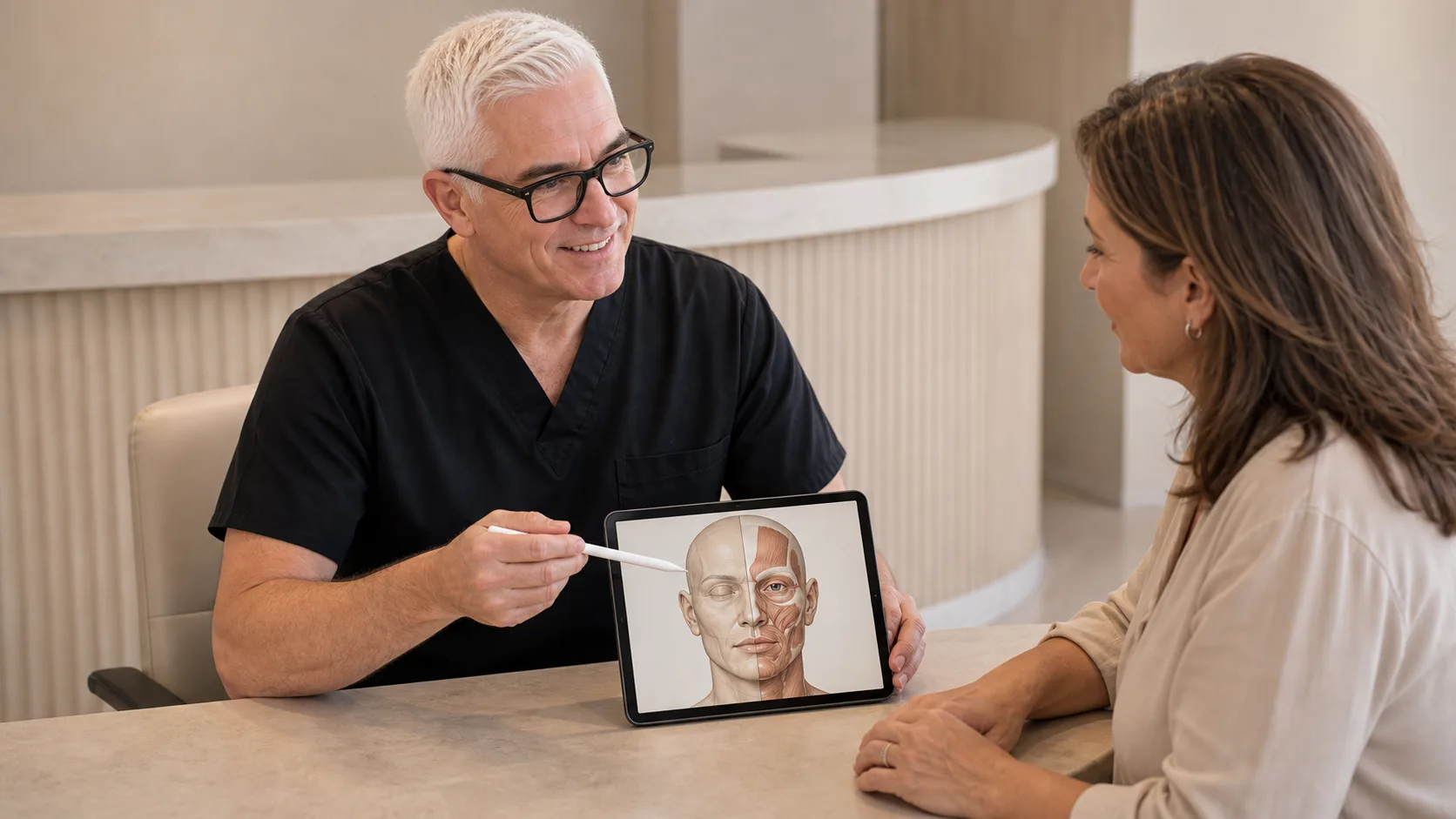
Being turned away from cosmetic treatment means a practitioner has assessed your concern carefully and determined that proceeding is not appropriate, whether because the concern is misattributed, the timing is not right, expectations cannot be met safely, or the anatomy makes treatment unsuitable at this time. This is a sign of clinical judgment, not rejection. This guide was prepared by Corey Anderson, Registered Nurse (AHPRA NMW0001047575) at Core Aesthetics, a cosmetic injectables clinic in Oakleigh, Melbourne. Results vary between individuals; a consultation is required to assess suitability and develop a personalised treatment plan.
The Emotional Impact of Being Told ‘Not Today’
Most people arrive at a cosmetic consultation expecting to discuss their concern and, if appropriate, proceed with treatment. When the outcome is instead that more assessment is needed, this is not the right time, or the area is not suitable today, it can feel unexpected.
Common responses include confusion, disappointment, self doubt, or frustration, feeling like nothing was achieved, or wondering whether another clinic would proceed instead. These reactions are understandable. Cosmetic treatment is personal and closely linked to identity and self perception.
But in clinical aesthetics, the goal is not to proceed at all costs. It is to ensure that when treatment happens, it is appropriate, safe, and likely to produce a natural result. Sometimes that means pausing.
Being Turned Away Does Not Mean Something Is Wrong With You
One of the most important things to understand is this: being told you are not suitable for treatment does not mean there is something wrong with your face. It often means the opposite. Common reasons for deferral include your facial anatomy is already balanced, your concern is not caused by volume loss, your skin or tissue is not suitable for intervention at this time, your expectations do not align with what is anatomically achievable, or the requested area carries higher risk than benefit.
These are clinical decisions, not personal judgments. Good cosmetic medicine is not about treating every concern. It is about identifying which concerns will genuinely benefit from intervention and which will not.
The Three Most Common Reasons Patients Are Turned Away
The concern is misattributed. This is the most common reason. The patient identifies one area as the problem, but the actual cause lies elsewhere. Under eye hollowing may be a mid face support issue. Lip imbalance may relate to chin or dental proportion. Jawline concerns may be driven by neck transition or posture. In these cases, treating the requested area directly may worsen balance rather than improve it, so the clinician redirects the assessment.
The timing is not right. Cosmetic concerns change with time, weight, stress, sleep, and facial adaptation. Treatment may be deferred when recent weight change has altered facial proportions, previous filler is still settling, swelling or inflammation is present, or the concern is still evolving. In these situations, time is part of the treatment plan.
The expectation cannot be met safely or naturally. Sometimes the issue is not whether treatment is possible, but whether it is appropriate. This may occur when the desired outcome is not compatible with facial anatomy, the request is based on heavily edited reference images, or the level of change required would compromise natural appearance. A responsible practitioner prioritises outcome quality over appointment completion.
Why Being Turned Away Is Often a Sign of high quality Practice
In cosmetic medicine, saying yes is easy. Saying no requires judgment, ethical grounding, and a willingness to prioritise long-term outcomes over short term satisfaction. Clinics operating at a high standard tend to assess more thoroughly before treatment, decline inappropriate or high risk requests, prioritise conservative planning, avoid overcorrection, and treat fewer areas per session.
A clinic that never turns anyone away is not necessarily more accommodating. It may simply be less selective. Selective decision making is part of responsible medical aesthetics.
When ‘You Need More’ Actually Means ‘We Need a Better Plan’
Sometimes patients present with multiple concerns at once and it can be tempting to address everything quickly. However, treating multiple areas without sequencing often leads to an overfilled appearance, loss of natural expression, conflicting proportions, and difficulty identifying what actually improved or worsened.
A better approach is planning, deciding what should be treated first, what should be left alone, what may resolve naturally, and what requires reassessment. This is where you need more becomes you need a plan, not a procedure.
The Importance of Emotional Readiness in Aesthetic Treatment
Not all deferrals are anatomical. Some are situational. Cosmetic treatment should not be driven by emotional distress after a recent life event, sudden dissatisfaction triggered by comparison, impulsive decisions following social media exposure, or pressure from trends. In these situations, delaying treatment allows for clearer decision making, reduction in regret risk, more stable expectations, and better alignment between intention and outcome.
Good aesthetic medicine considers emotional timing as part of suitability. Strong practitioners can recognise when the real need is space or perspective rather than treatment.
What a Good follow-up Plan Looks Like
Being told not now should never feel like a dead end. In a structured approach, it becomes part of a plan. A proper follow-up may include review after a defined period, reassessment of facial changes over time, progression of conservative treatment if appropriate, adjustment of expectations based on natural change, or consideration of alternative approaches.
In many cases, patients who are initially unsuitable become suitable later once conditions change or once planning is clearer. This is why deferral is not rejection. It is sequencing.
Why Dissatisfaction After Being Turned Away Often Turns Into Trust
Many patients who are initially disappointed after being told to wait or reassess later return with greater trust in the clinic. They recognise the decision was not driven by sales pressure, it was driven by judgment. Over time, patients often realise they were protected from unnecessary treatment, they avoided overcorrection, their concerns were reassessed more accurately, and the alternative outcome would likely not have been better.
Trust in aesthetic medicine is built when a clinic proves it is willing to prioritise the right decision over the immediate one. At Core Aesthetics, that is the standard every decision is measured against.
Understanding Why Treatment Was Deferred
When a practitioner declines or defers a treatment request, it is not always immediately clear to the patient what the clinical reasoning was. Some patients leave a consultation feeling dismissed or misunderstood; others feel relieved but uncertain. Understanding the categories of clinical reasoning behind deferral helps patients evaluate whether the decision was sound and what to do next.
The most common reasons for deferral at a conscientious clinic include: the presenting concern not being amenable to the proposed treatment; the patient being in a period immediately following previous treatment where adding more is premature; the patient’s expectations being inconsistent with what is anatomically achievable; and the practitioner not having enough information from a single consultation to proceed safely. None of these reasons reflect a judgement that the patient’s concern is not real or that their request was unreasonable. They reflect a clinical assessment that proceeding at that time would not serve the patient’s interests.
The more concerning pattern is not deferral but the absence of deferral. A clinic that proceeds with every request, that has never, in the patient’s experience, suggested an alternative or said that something was not appropriate, is not demonstrating superior judgement. It is demonstrating lower thresholds. This distinction matters when evaluating whether a second opinion is warranted. A practitioner who deferred treatment at another clinic is not automatically more cautious or more competent, but the fact that they were willing to defer is a meaningful data point about how they practice. Corey Anderson, Registered Nurse, conducts all consultations personally and will explain the clinical reasoning behind any deferral or alternative recommendation. Results vary between individuals; a consultation is required to assess suitability.
What to Look for When Seeking a Second Opinion
If you have been turned away at one clinic and are considering seeking a second opinion, the quality of that second consultation matters more than its outcome. A second practitioner who proceeds with treatment that the first declined has not necessarily reached a better clinical conclusion, they may simply have lower thresholds or a different view of what is worth doing. The useful question is not “will this practitioner treat me?” but “does this practitioner understand what the first clinician’s concerns were, and can they explain where their clinical reasoning differs?”
A second consultation at Core Aesthetics for patients who have been deferred elsewhere begins with understanding what was assessed and what was recommended. If previous treatment records or clinical notes are available, they are useful context. If the previous practitioner’s reasoning is known, that reasoning becomes part of the assessment. Where the clinical picture supports a different recommendation, that will be explained clearly. Where the previous practitioner’s assessment is confirmed, that will also be communicated directly, without false reassurance and without proceeding with treatment that is not indicated.
For patients who have been upsold rather than turned away, who proceeded with treatments they later felt were excessive or unnecessary, the assessment process is different. The focus is on what is currently present, what the treatment history looks like, and whether the existing results are appropriate for the individual’s anatomy. The guide to correcting overdone filler in Melbourne addresses specific scenarios involving excessive prior treatment. The ageing versus anatomy guide may also help clarify whether the original concern warranted the treatment that was delivered. The guide to why Core Aesthetics sometimes says no explains the clinical reasoning behind deferral in more detail.
What to Do After a Disappointing Consultation Elsewhere
Receiving a recommendation for more treatment than you expected, or being turned away without a clear explanation, can leave you feeling confused, deflated, or unsure how to proceed. Both experiences are worth examining carefully before your next step.
If you were upsold, the most useful question to ask is whether the additional treatments recommended were explained in terms of clinical rationale or in terms of outcomes. Recommendations grounded in anatomy, “this area of volume loss is affecting how adjacent structures support each other”, are different from recommendations framed around appearance, “this would make you look more refreshed.” The first is a clinical argument; the second is a marketing one. Knowing the difference helps you evaluate whether the recommendation served you or the practitioner’s revenue.
If you were turned away or deferred, the more productive framing is to ask what specifically was not appropriate about the timing or the request. A good practitioner should be able to explain this clearly. “Your skin quality makes this treatment less likely to produce a good outcome at this point” is useful information. “You’re not ready” without explanation is not. If you left without understanding why treatment wasn’t offered, it may be worth seeking a second opinion, not to get a different answer, but to get a more complete one.
At Core Aesthetics, Corey Anderson. Registered Nurse, takes time to explain both why treatment is and isn’t recommended. If a request falls outside what’s appropriate, the reasons are discussed directly. This includes explaining what would need to change for treatment to become appropriate, whether that is waiting for previous filler to metabolise, addressing skin quality concerns first, or simply allowing more time to consider the decision. Results vary between individuals, and what’s right for one patient at one point in time is not necessarily right for another.
Finding the Right Practice After a Difficult Experience
The qualities to look for in a cosmetic injectable practice are not complicated, but they are not always easy to find. Transparency about what treatment can and cannot achieve, a willingness to recommend doing less rather than more, and an interest in your long-term aesthetic wellbeing rather than your next appointment are all markers of a practice worth trusting.
It is worth being specific about what you’re looking for when you book a second consultation. You want to know: how does this practitioner make decisions? What informs their recommendations? How do they handle a situation where the patient wants something the practitioner doesn’t think is appropriate?
A practitioner who says they have never turned anyone away, or who agrees immediately with everything you propose, is not necessarily a sign of a good fit. Aesthetic medicine involves clinical judgment, and clinical judgment sometimes produces conclusions the patient hadn’t anticipated. The willingness to have that conversation honestly, to offer a genuine assessment rather than a reassuring one, is a quality worth prioritising.
At Core Aesthetics, the consultation is structured so that these questions can be answered before any commitment to treatment is made. Corey is available to discuss your concerns, your history, and your goals in a low pressure environment where the emphasis is on helping you make a good decision, not on filling a treatment slot. For context on how Core Aesthetics approaches treatment decisions, why we sometimes say no explains the clinical and ethical basis for deferral. If you’ve had a difficult experience elsewhere, a consultation here may help you understand your options more clearly.
Is this for you?
Consider booking a consultation if
- People who have been turned away or deferred from cosmetic treatment and want to understand why
- Patients preparing for a first consultation who want to understand how assessment works
- Anyone who has been told they need more assessment and is unsure what that means
- People who want to understand the difference between ethical and sales driven cosmetic practice
This may not be for you if
- Not a substitute for individual clinical consultation with a qualified practitioner
- Not appropriate for those under 18 years of age
- Not intended to encourage anyone to seek treatment after appropriate clinical deferral
- This content does not replace direct communication with your treating practitioner
Suitability is confirmed at consultation. This list is general guidance, not a substitute for clinical assessment.
Frequently asked questions
What does it mean when a cosmetic clinic turns you away?
It means the practitioner assessed your concern and determined that proceeding with treatment is not appropriate at this time. This may be because the concern is misattributed to the wrong area, the timing is not right, anatomical risk outweighs benefit, expectations cannot be met safely, or treatment would not improve the concern. It is a clinical decision, not a personal judgment.
Should I be concerned if I’m told I’m not suitable for filler?
No. Being told you are not suitable for a specific treatment or area does not indicate a problem with your face. It often means your facial anatomy is already balanced in that region, the requested treatment would not address the actual cause, or a different approach would produce a better outcome. It is worth asking the practitioner what specifically made the treatment unsuitable.
Is it worth seeking a second opinion after being turned away?
Yes, seeking a second opinion from another qualified practitioner is always reasonable. However, if multiple experienced practitioners reach the same conclusion, it is worth considering that the deferral reflects genuine clinical judgment rather than overcaution. Understanding the specific anatomical or clinical reason for the deferral helps you make a more informed decision.
What should I ask if I’m told I need more assessment before treatment?
Useful questions include: what specifically made treatment unsuitable today, is this an anatomy issue or a timing issue, would you reassess me later and what would change, is there a different approach that may suit me better, and am I misidentifying what is actually causing my concern? These questions shift the conversation from disappointment to understanding.
Does being turned away from one clinic mean all clinics will turn me away?
Not necessarily, but it is worth understanding why before seeking treatment elsewhere. If the reason was misattributed concern, wrong timing, or unrealistic expectations, those issues will not resolve by finding a different clinic. If the reason was specific to that practitioner’s scope or approach, a referral to someone with different expertise may be appropriate.
Can emotional timing affect whether treatment is appropriate?
Yes. Ethical practitioners consider whether emotional urgency is driving a treatment request rather than a genuine anatomical concern. Treatment decisions made under emotional instability, after a significant life event, sudden comparison with others, or strong external pressure, often lead to regret. Deferral in these situations is protective rather than restrictive.
How long should I wait after being told to reassess?
This depends on the reason for deferral. If previous filler is still settling, six to eight weeks is typically recommended before reassessment. If timing was related to emotional factors or recent life change, a longer period may be appropriate. If the deferral was due to weight fluctuation or post illness change, waiting for the face to stabilise is usually the right approach. The practitioner should give a specific timeframe.
Is a clinic that sometimes refuses treatment more trustworthy?
In general, yes. A clinic that never turns anyone away has no clinical filter between request and treatment, which means sales pressure rather than clinical judgment is driving decisions. A clinic that sometimes declines treatment demonstrates that assessment comes before the appointment, and that outcome quality matters more than appointment completion.