This guide was prepared by Corey Anderson, Registered Nurse (AHPRA NMW0001047575) at Core Aesthetics, a cosmetic injectables clinic in Oakleigh, Melbourne. Results vary between individuals; a consultation is required to assess suitability and develop a personalised treatment plan.
Some faces do not look older so much as they look tired. The concern is often less about one line or one feature, and more about a general loss of freshness – under the eyes appearing hollow, the mid face looking flatter, or expression lines creating a drawn appearance. When people search for the best injectables for a tired looking face, they are usually looking for subtle, polished support rather than dramatic change.
At Core Aesthetics in Oakleigh, this concern is usually approached as facial rejuvenation, not feature alteration. A tired appearance can have several causes, which is why a consultation matters. The right treatment plan depends on whether the main issue is muscle movement, reduced volume, facial balance, or skin quality.
Why a face can start to look tired
A tired look is rarely caused by one thing alone. In many adults, especially through the late twenties onwards, facial changes happen gradually. Volume can reduce in the cheeks and temples, skin may reflect less light, and certain expression patterns can make the upper face seem tense or heavy.
Lifestyle can play a part as well. Melbourne professionals managing long workdays, family commitments and inconsistent sleep often notice that their face looks fatigued even when they feel well. Genetics also influence how early hollowing, shadowing or stronger expression lines appear.
This matters because the best approach is not always to treat the most obvious area first. For example, under-eye shadowing may be linked to cheek support, while a tired upper face may be more about brow position and forehead movement than the eye area itself.
Best injectables for a tired looking face: what may be considered
There is no single answer to the best injectables for a tired looking face. The most suitable option depends on the pattern of ageing, facial anatomy and treatment goals. Broadly, concerns usually fall into two groups: dynamic lines caused by expression, and structural changes caused by volume loss.
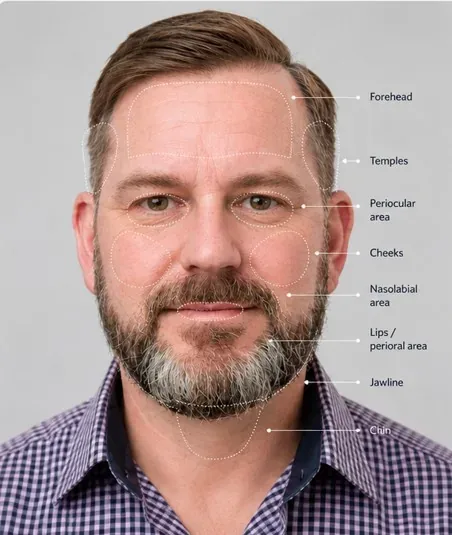
In the right patient, this type of treatment may help create a more rested appearance in areas such as the forehead, frown region and around the eyes. The goal in a premium aesthetic setting is not a frozen look. It is refinement – a softer, fresher presentation that still feels like you.
This option is often most relevant when someone says they look tired even after sleep, especially if they notice a persistent frown, crow’s feet or upper face tension in photographs or work meetings.
A tired appearance often relates to the mid face. When the cheeks lose support, the under-eye area can appear more shadowed and the lower face can seem heavier. Restoring balance through the cheeks or adjacent structural areas may help the face look less fatigued overall.
Temples can also matter more than patients expect. Volume loss here can subtly affect the upper face and contribute to a drawn look. In some cases, treatment around the mouth or lower face may be considered if facial fatigue is coming from downturn or loss of contour rather than the eye area.
Subtle lip or perioral refinement may be part of a broader plan when done conservatively. The key is proportion. Overcorrection can make a face look less natural, which works against the elegant outcome most patients want.
The under-eye question
Many people assume the answer to tired eyes is direct treatment under the eyes. Sometimes that is appropriate, but not always. The tear trough is a delicate area, and suitability depends on skin quality, anatomy, fluid retention and the cause of the hollow or shadow.
In some patients, supporting the cheeks first may be the more considered approach. In others, under-eye concerns are more related to pigmentation, skin laxity or lifestyle factors, which means injectables may not be the primary recommendation. This is exactly why a consultation based clinic model matters.
Best injectables for a tired looking face in your 30s, 40s and 50s
Age matters, but not as much as anatomy. Still, there are patterns that tend to appear at different stages.
What makes one injectable option better than another?
The word best can be misleading. In aesthetics, the best option is the one that fits your anatomy, concerns and tolerance for maintenance. It is also the one that aligns with a natural looking endpoint.
For some Melbourne patients, a small amount of anti-wrinkle treatment may be enough to make the face appear more rested. For others, the issue is volume and contour, which means filler may be more relevant. Sometimes the most appropriate advice is to delay treatment, focus on skin health first, or stage treatment over time.
This is particularly important for first time patients around Oakleigh and wider Melbourne who want reassurance that subtlety will be prioritised. Good aesthetic medicine should not force a standard formula onto every face.
Why consultation matters more than the product category
Consultation is where tiredness is translated into anatomy. A patient may describe looking flat, drawn or older than they feel, but the clinician is assessing support, movement, symmetry, skin quality and facial proportions.
A thoughtful consultation also covers suitability, risks, expected maintenance, and whether another modality may be more appropriate. That conversation is part of safe, compliant care. It also helps avoid the common mistake of treating the area the patient notices most, rather than the area causing the concern.
For those considering treatment in Melbourne’s south eastern suburbs, including Oakleigh, a tailored assessment is usually the most valuable first step. If you are exploring options, you can book a consultation here: https://book.squareup.com/appointments/nu2mqyuc7wzqbh/location/LGKEWSFZS6R8E/services
About This Information
The information on this page is provided for general educational purposes. It is not a substitute for clinical advice and does not constitute a recommendation that you proceed with any particular treatment. Cosmetic injectable treatments are prescription medical procedures. They carry risks that vary between individuals and that must be assessed and discussed in a clinical context before any treatment decision is made.
At Core Aesthetics, Corey Anderson assesses every patient individually. The consultation is the point at which your specific anatomy, medical history, and goals are evaluated together. No treatment is offered at a first appointment, and no treatment is appropriate for everyone. This page is a starting point, a way to understand what is involved before you decide whether a consultation is the right next step for you.
If you have questions about anything on this page or about whether treatment might be appropriate for your situation, you are welcome to call the clinic or book a consultation at no obligation.
This page provides clinical information about Injectables for a Tired-Looking Face. It is intended for adults aged 18 and over who are considering cosmetic injectable treatment and want to understand the clinical process, suitability factors, and what to expect from a consultation based practice. All treatment decisions at Core Aesthetics follow individual assessment, no treatment is offered at a first appointment without a separate consultation. Results vary between individuals and are reviewed at follow up.
The Role of Anatomical Assessment in Treatment Planning
Effective cosmetic injectable treatment begins with understanding individual facial anatomy. The same concern, loss of cheek volume, for example, may have different underlying structural drivers in different people. In one patient it reflects fat pad atrophy; in another it involves bony remodelling; in a third, skin laxity changes the way existing volume appears. These distinctions affect both whether treatment is appropriate and, if so, how it should be approached.
At Core Aesthetics, the consultation begins with a systematic assessment of facial structure, including symmetry analysis, skin quality assessment, treatment history review, and discussion of the patient’s specific goals. This anatomical baseline informs every treatment decision and helps ensure that proposed treatments address the actual underlying driver of a concern rather than a surface level presentation.
This is one of the reasons Core Aesthetics operates as a one practitioner clinic with a consultation based model. A consistent clinical relationship between patient and practitioner supports the kind of longitudinal assessment that is difficult to achieve in high volume, multi practitioner settings.
The mid face as the Centre of a Tired Appearance
When people say they look tired, the mid face, the zone from the lower lid margin to the corner of the mouth, is almost always involved. This is because the structures that support a rested, alert appearance are concentrated here: the anterior cheek fat pad, the malar eminence, the nasolabial fold depth, and the transition between the lower lid and the cheek.
age related changes in this zone follow a predictable pattern. The orbital rim becomes more prominent as periorbital fat redistributes. The tear trough deepens. The cheek fat pads descend slightly, deepening the nasolabial folds and creating visible demarcation between the lid and cheek. Taken together, these changes create the characteristic hollowed, shadowed appearance that is commonly described as looking tired.
Injectable treatment in the mid face works with these anatomical changes rather than against them. Filler placed along the orbital rim and into the anterior cheek replaces lost volume in the areas where its absence has the greatest visual impact. anti-wrinkle treatment can complement this by relaxing periorbital muscles that contribute to the downward pull on the lateral brow.
A clinical assessment at Core Aesthetics begins by identifying which specific anatomical changes are driving the tired appearance in a particular patient, because the same presenting concern can have different structural drivers requiring different approaches. Treatment plans are built from this assessment, not from a generic protocol for addressing facial fatigue.
When Skin Quality Contributes to a Tired Appearance
Not every tired appearance is driven by volume loss or structural change. Skin quality, hydration, sleep patterns, and UV damage all affect the visual impression of tiredness, and may contribute as much as structural changes in some patients, particularly younger patients whose anatomy is largely intact.
Periorbital pigmentation, darkening under the eyes, is often confused with a tear trough concern. Filler placed in the tear trough can improve the structural shadow contributing to darkness under the eye, but does not affect pigmentation directly. Where pigmentation is the primary driver, skin focused treatment may be more appropriate than injectable treatment.
The initial consultation at Core Aesthetics includes assessment of these factors. Where skin quality or lifestyle factors appear to be the primary driver of the presenting concern, Corey will discuss this honestly and may suggest referral to a skin focused clinician or dermatologist rather than defaulting to an injectable treatment recommendation.
The Brow Position and Periorbital Appearance
The position and shape of the brow contributes significantly to the appearance of tiredness or alertness in the upper face. A brow that sits low relative to the orbital rim, which can reflect natural anatomy, age related changes, or habitual muscle contraction, creates a heavy, hooded appearance that is visually associated with fatigue regardless of the person’s actual energy level.
anti-wrinkle treatment can influence brow position by selectively relaxing the muscles that pull the brow downward. The frontalis muscle elevates the brow; the procerus, corrugators, and orbicularis oculi depress it. Strategic placement of anti-wrinkle injections can reduce the activity of the depressor muscles relative to the elevator, achieving a modest but clinically meaningful brow lift effect.
This approach is not appropriate for everyone. It requires careful assessment of the individual’s muscle anatomy and existing brow position, because the same treatment can have meaningfully different effects in different people depending on their baseline muscle balance. At Core Aesthetics, brow anatomy assessment is part of the periorbital evaluation during consultation, and treatment plans for the upper face are developed with explicit attention to the brow position effect of any proposed injection pattern.
Realistic Expectations for Anti-Fatigue Injectable Treatment
Injectable treatment for a tired appearance can produce meaningful improvement when the structural drivers of that appearance are addressed appropriately. However, it is important for patients to have realistic expectations about what this treatment can and cannot achieve.
Treatment does not change skin texture, pigmentation, or overall skin quality. It does not affect the deeper structural changes associated with significant ageing, major ligamentous laxity, substantial skin redundancy, or bony changes of the orbital rim that would require different modalities to address. And it does not produce results that look identical to a well rested face, because the two are different things: injectable treatment restores structural volume and reduces dynamic lines, but it does not replicate the quality of natural rest.
The most satisfying outcomes from anti fatigue injectable treatment come when patients have realistic structural goals and when the treatment plan is based on individual assessment rather than a generic protocol. At Core Aesthetics, the consultation discussion explicitly covers what improvement is realistic to expect and what factors limit the extent of improvement injectable treatment can achieve for a particular patient.
Is this for you?
Consider booking a consultation if
- Adults 18+ wanting to understand what contributes to a tired appearance
- Those curious about the role of anatomy before booking a consultation
- People who have noticed hollowing, volume loss, or downward facial changes
This may not be for you if
- Anyone under 18
- Those seeking a quick fix without clinical assessment
- People with active infection or relevant contraindications
Suitability is confirmed at consultation. This list is general guidance, not a substitute for clinical assessment.
Frequently asked questions
Why does a face start to look tired even when someone is well rested?
A tired appearance often reflects structural changes rather than fatigue. Volume loss in the midface, descent of fat pads, and gradual changes to bone structure create shadows and hollowing that read as tiredness regardless of sleep or lifestyle. A clinical assessment considers which of these factors are contributing before any treatment is recommended.
Is treatment under the eyes always the right approach for a tired appearance?
Not always. In many cases, under-eye hollowing is driven by volume loss above in the midface, not by a deficient tear trough. Treating the wrong area can draw more attention to the concern. A consultation based assessment considers the full facial context before any area is targeted.
Does a tired looking face always need dermal filler?
Not necessarily. A tired appearance can have different causes, including muscle activity creating downward lines, volume loss requiring filler, or skin quality concerns. The most appropriate treatment is determined after a full assessment, and sometimes the outcome of that assessment is a recommendation to address one thing conservatively before considering anything further.
How many treatment areas are typically involved?
This varies from person to person. Some patients benefit from attention to one specific area; others have changes across multiple regions that are best addressed in a phased, graduated plan. The approach at Core Aesthetics starts conservatively and reviews outcomes at a follow up appointment before proceeding further.
What are the risks of treating a tired looking face with injectables?
Risks include bruising, swelling, asymmetry, and in rare cases more serious complications such as vascular occlusion. The specific risk profile varies by area treated and technique used. Your practitioner should discuss these in full before any treatment and review your medical history for contraindications.
How is a treatment plan for a tired looking face structured?
Planning begins with a consultation that identifies contributing factors across the face. Treatment is then staged, typically starting with the area most likely to improve overall proportion, before refining other areas. A review appointment is scheduled to assess outcomes before any further treatment is considered.
How is suitability for this treatment determined?
Suitability is decided through individual consultation with Corey Anderson, AHPRA registered nurse. Anatomy, medical history, prior treatments and the realistic outcomes of treatment are all reviewed before any decision is made.
What happens if treatment is not appropriate?
If the assessment finds that treatment is not appropriate, that conclusion is part of the consultation outcome. Results vary between individuals, and the consultation may identify reasons to defer, alter, or decline the treatment plan.