Learn

Perioral Treatment Technique: A Clinician’s Guide

A guide to perioral treatment technique: how clinicians assess the lip area, plan subtle enhancement, and manage safety, risks and aftercare.

Quick summary

A guide to perioral treatment technique: how clinicians assess the lip area, plan subtle enhancement, and manage safety, risks and aftercare. All treatments are consultation based and individually assessed by a qualified, AHPRA-registered practitioner.

The Perioral Region: Why It Requires Specific Expertise

The perioral region, the area around the mouth, is one of the most technically demanding areas for facial volume treatment. The anatomy is complex: multiple muscles converge around the orbicularis oris, the upper lip has the philtrum columns and Cupid’s bow as visible structural landmarks, and the surrounding tissues move constantly with expression, eating, and speech. Volume treatment placed in this region must integrate well enough to move naturally with the face rather than appearing static or creating distortion during expression. The margin for error is small. Overcorrection is highly visible. Asymmetry in the lip border or philtrum area is noticeable even to people who have no knowledge of injectable treatments. For these reasons, the perioral region is not an appropriate area for practitioners who are still developing their injectable technique. Core Aesthetics treats the perioral region regularly but approaches it with the level of care the anatomy demands.

Anatomy of the Perioral Region Relevant to Volume treatment

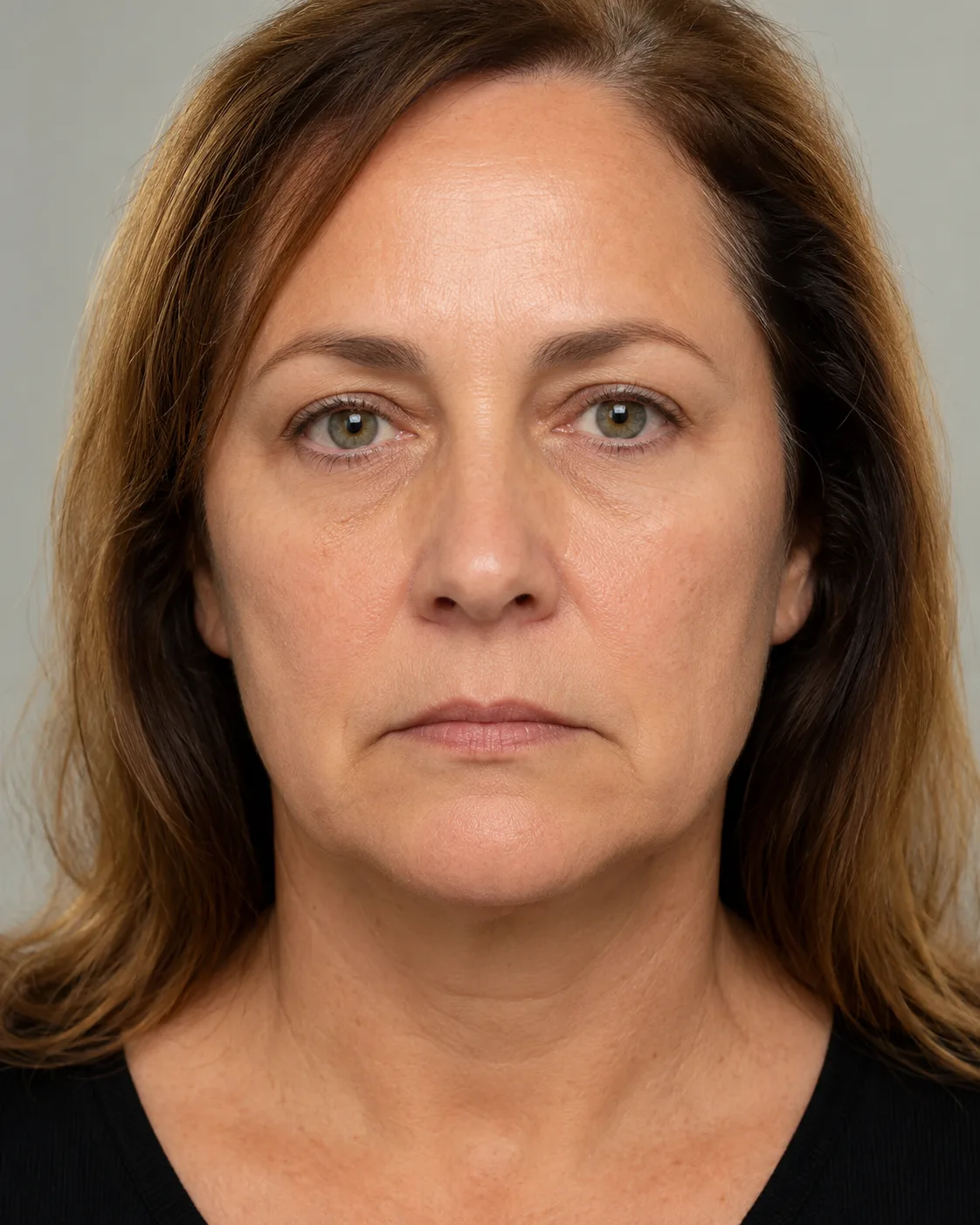
A working understanding of perioral anatomy is essential context for understanding why technique matters in this region. The upper lip is bounded superiorly by the philtrum, a central groove flanked by two raised columns that define the shape of the Cupid’s bow. The vermillion border is the defined edge between the pink of the lip and the surrounding skin. In younger faces this border is crisp and well defined; with age it tends to soften and lose definition, and small vertical lines may develop in the surrounding white roll area. The lower lip is generally fuller and less architecturally complex than the upper. The commissures are the corners of the mouth, and the marionette lines extend inferiorly from the commissures towards the chin. The nasolabial folds are technically outside the perioral region but their relationship to the upper lip means they are often considered in the same assessment. Each of these sub regions requires a different approach to treatment placement, and the treatment plan for any individual will depend on which of these areas are contributing to their concern.

Common Concerns Addressed with Perioral treatment

The most frequently presented perioral concerns at Core Aesthetics fall into several categories. Loss of definition along the vermillion border is common in patients in their late thirties and older, the lip outline softens and the Cupid’s bow loses its characteristic shape. Volume loss in the body of the lips, particularly the upper lip, is another common concern. Deepening of the philtrum columns, which can make the central upper lip appear deflated. Vertical lines in the perioral skin, sometimes called lipstick lines, though these are addressed more effectively with skin level treatments than with deep treatment placement. Downturning of the mouth corners, which can give the face a resting expression that feels inconsistent with the person’s actual mood. Each of these requires a different placement approach and a different discussion about what volume treatment can realistically achieve.

Technique Considerations for the Vermillion Border

Restoring definition to the vermillion border requires precise, superficial placement along the edge of the lip. The goal is to re establish the crisp transition between the pink of the lip and the surrounding skin rather than to add volume to the body of the lip. Over placement in this area causes a visible ridge or shelf along the lip edge, which is one of the more recognisable signs of volume treatment that has been over applied or poorly placed. The practitioner at Core Aesthetics uses conservative volumes and assesses the result incrementally during the session. The philtrum columns can be subtly supported with volume treatment to enhance the architectural definition of the upper lip, but this requires particular precision, the philtrum is a central defining feature of the lip’s shape and any asymmetry here is immediately apparent.

Lip Volume: Approach and Limits

Adding volume to the body of the lips is one of the most common requests and one of the areas most prone to over treatment. The lips have a natural relationship with the surrounding facial features, particularly the nose, chin, and the vertical proportions of the lower face. Lips that have been significantly volumised can appear disproportionate to the rest of the face, particularly if the treatment has focused on projection and size rather than on the balance of upper to lower lip and the relationship of the lip to the face as a whole. At Core Aesthetics, lip volume treatment is planned with reference to the surrounding facial proportions. The assessment includes the ratio of upper to lower lip volume, the projection of the lips relative to the chin and nose, and the shape of the Cupid’s bow. For patients who are requesting more volume than the practitioner considers appropriate for their anatomy, the consultation will include an honest discussion of this concern, and the practitioner may decline to place the volume requested.

The Marionette Region and Mouth Corners

The commissures and marionette region are commonly associated with a downturned or heavy appearance to the lower face. Volume treatment in this area can support the commissure and soften the marionette lines, but the effect is more limited than many patients expect, particularly if the primary cause of the downturning is soft tissue ptosis or volume loss in the mid face that is creating a cascade effect. A thorough assessment will determine whether treatment focused on the marionette region alone is likely to address the concern, or whether a broader facial approach, potentially including the cheek or mid face region, would be more appropriate. Treating only the downstream area without addressing the structural cause higher in the face is a common reason that marionette treatment produces disappointing results.

What to Expect After Perioral treatment

The perioral region is more prone to swelling than many other areas of the face. Lip swelling in particular can be pronounced in the first 24 to 48 hours and can make the initial result look more dramatic than the final settled result. Patients are advised to expect this and not to judge the outcome until swelling has fully resolved, typically around one to two weeks, though individual variation is significant. Bruising is also more common in the perioral region than in many other areas, given the density of vasculature in and around the lip. Avoiding blood thinning supplements and medications in the week before treatment can reduce this risk. The review appointment is scheduled at two weeks to assess the settled result and determine whether any refinement is appropriate.

Booking a Perioral treatment Consultation

If you are considering volume treatment in the perioral region, whether for border definition, lip volume, philtrum enhancement, or the marionette area, the consultation at Core Aesthetics is the appropriate starting point. The assessment will cover the full perioral region and the surrounding facial context, and the practitioner may offer an honest account of what is achievable and what approach would be appropriate for your anatomy. Core Aesthetics is located in Oakleigh and serves patients from across Melbourne’s south east, including Malvern, Chadstone, Carnegie, Clayton, Glen Waverley, and surrounding areas. Bookings are made online through the clinic’s booking system.

Combining Perioral treatment with Other Treatments

Perioral concerns are often part of a broader pattern of facial ageing that involves multiple regions. Hollowing in the mid face can cause a cascade effect that draws the mouth corners downward and deepens the nasolabial folds. Volume loss in the temples and cheeks can affect how the lower face is supported. For patients who present with complex perioral concerns, the consultation at Core Aesthetics will assess whether treating the perioral region alone is likely to achieve the goal, or whether a broader treatment plan involving other areas would produce a more coherent result. Combining perioral treatment with treatment in adjacent regions is sometimes appropriate, but this is always sequenced carefully, attempting to address too many areas in a single session increases the cumulative risk and can make it difficult to assess what is contributing to the final result. Core Aesthetics takes a staged approach to complex cases, treating the area of primary concern first and assessing the result before proceeding to adjacent areas.

How Long Perioral treatment Lasts

The longevity of volume treatment in the perioral region varies more than in many other areas of the face. The constant movement associated with talking, eating, and expression means that volume treatment in the lips and perioral skin is subject to more mechanical stress than volume treatment placed in a less mobile area. As a result, perioral treatment generally has a shorter duration than volume treatment placed in the cheeks or temples. Most patients find that the result in the lip border and body lasts between six and twelve months, though this varies considerably based on individual metabolism, the specific area treated, and the volume placed. At the review appointment, the practitioner will give guidance on when a maintenance appointment would be appropriate based on how the result is progressing in the individual patient. Some patients choose to maintain the result continuously; others prefer to let the volume treatment break down fully between treatments. Both approaches are valid and the appropriate choice depends on personal preference and the individual’s response to treatment.

Philtrum Enhancement and the Upper Lip Architecture

The philtrum, the central groove between the base of the nose and the Cupid’s bow, is a structurally defining feature of the upper lip. In younger faces the philtrum columns are well defined, creating the characteristic peak and dip shape of the Cupid’s bow. With age the columns can flatten, causing the upper lip to lose its architectural definition and appear less distinct. Small amounts of volume treatment placed precisely along the philtrum columns can restore this structure without significantly altering overall lip volume. This is a technically precise placement, the columns are narrow and the central groove between them must be preserved to avoid creating a raised or unnatural appearance in the philtral dimple. The practitioner at Core Aesthetics assesses whether philtrum column support is appropriate for each individual based on the anatomy and the specific concern being addressed.

Choosing the Right Practitioner for Perioral Treatment

Given the technical demands of perioral treatment and the visibility of the area, the choice of practitioner matters significantly. Relevant questions to ask before booking include how frequently the practitioner treats this specific region, what their approach is to asymmetry and correction if the result is not right, and whether they have a formal review process built into every treatment episode. At Core Aesthetics, perioral treatment is conducted by a practitioner with specific experience in this region, and every treatment includes a review appointment as standard.

How Facial volume treatment Is Used as a Structural Tool

Facial volume treatment is often described in terms of volume, adding more to make something look bigger. This framing misrepresents how volume treatment functions in skilled clinical practice. Volume treatment is a structural tool. It can restore lost support in areas where facial volume has diminished with age. It can define a contour that was never clearly pronounced. And in some cases it can shift the proportional relationships between facial regions in a way that changes how the face reads overall.

Volume, in the sense of visible fullness, is sometimes a goal. But the mechanism is anatomical. Volume treatment placed in the right tissue plane, at the right depth, with an understanding of the surrounding anatomy, produces a different result than volume treatment placed superficially to fill a surface irregularity. This is why technique, placement, and clinical knowledge matter far more than product selection.

At Core Aesthetics, treatment decisions are based on a full facial assessment. Corey evaluates the face as a whole before deciding whether volume treatment is appropriate, where it would be most effective, and what volume would be consistent with a proportionate outcome. This assessment may lead to a recommendation not to treat, and that outcome is equally valid.

Understanding Facial Volume Loss and Why It Matters

The face changes with age through a combination of processes: bone resorption, fat pad redistribution, muscle changes, ligament laxity, and skin quality decline. These processes do not happen uniformly or at the same rate in different people. Two people of the same age may present very differently because of genetics, lifestyle, sun exposure, and individual anatomical variation.

Volume loss is one of the most clinically significant contributors to an aged appearance. When the structural support provided by subcutaneous fat and bone diminishes, the overlying skin is no longer held in place by the same framework. Features that once appeared well defined become less distinct. The relationship between facial thirds can shift. Hollowing in specific areas, the cheeks, the temples, the under eye region, creates shadows and contours that are often interpreted as tiredness or loss of vitality.

Understanding the underlying anatomy is essential to treating it appropriately. Volume treatment placed to address a surface concern without accounting for the structural deficit beneath it will produce a less effective and less enduring result. The consultation process at Core Aesthetics focuses on identifying the anatomical contributors to the concerns you have raised, not just addressing the surface appearance.

The Assessment Process Before Any Volume treatment

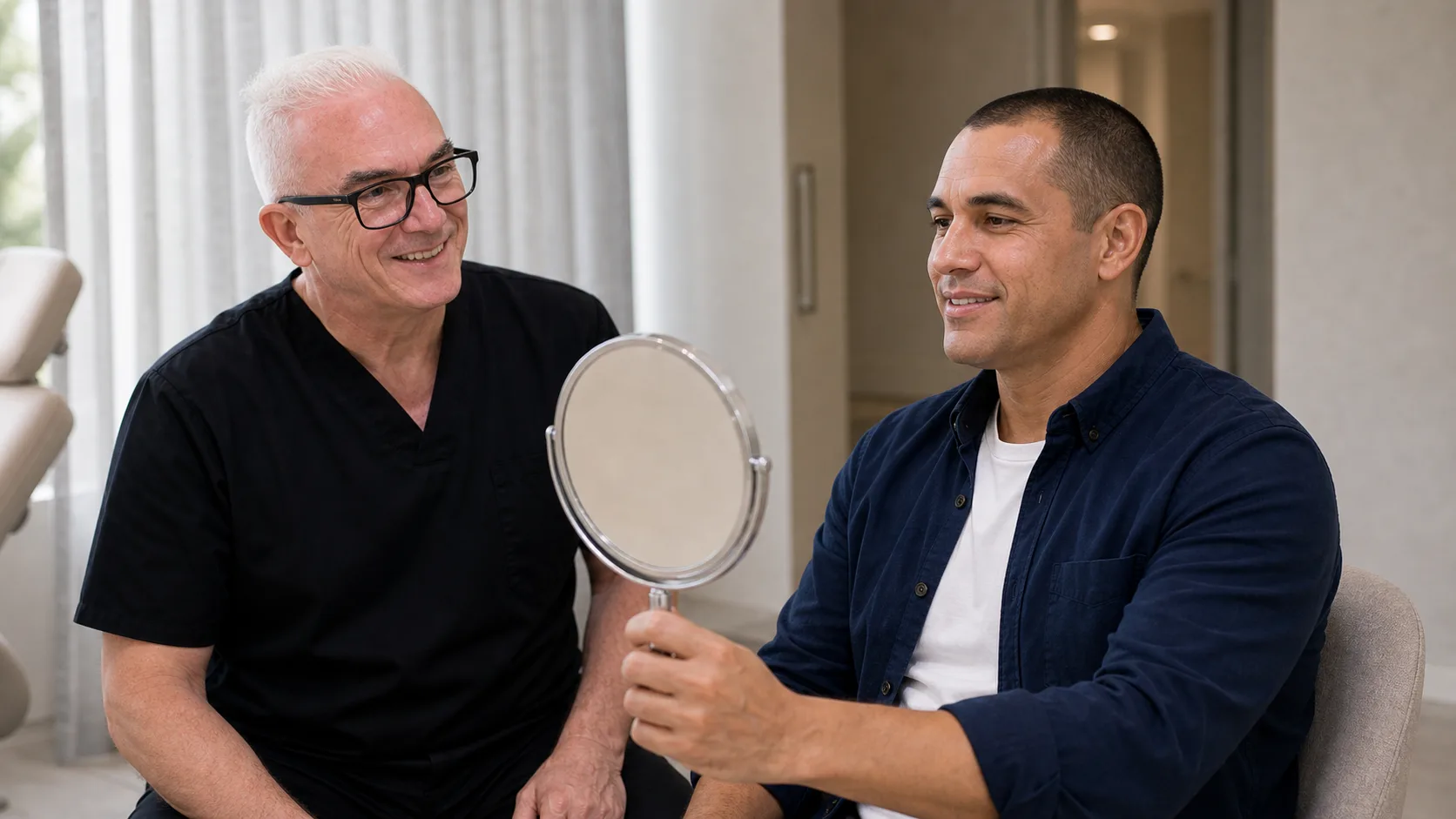
At Core Aesthetics, the consultation for facial volume treatment is a structured clinical appointment, not a sales conversation. Corey assesses the face in three dimensions, at rest, during movement, and from multiple angles. The goal is to understand the structural landscape of your face before deciding where, how much, and whether volume treatment is the right approach.

Key aspects of the volume treatment assessment include evaluating facial symmetry and identifying natural asymmetries that should be preserved or addressed; assessing the depth and distribution of any volume deficit; reviewing skin quality to determine how volume treatment would integrate; and discussing your goals in the context of what is anatomically achievable. For some concerns, volume treatment alone is sufficient. For others, a combination of treatments, or a different approach entirely, may be more appropriate.

You will leave the consultation with a written treatment plan that documents the assessment findings, the proposed approach, and the expected outcomes. Treatment is scheduled at a separate appointment, allowing time to consider the plan, ask further questions, and make an informed decision without any time pressure.

Clinical accountability and how volume treatment decisions are made

The volume treatment related guidance in “Perioral treatment Technique: A Clinician’s Guide” reflects how Corey Anderson, AHPRA registered nurse (NMW0001047575), approaches facial volume treatment decisions at Core Aesthetics: anatomy led, conservative on volume, and willing to defer or refuse treatment when the assessment doesn’t support it. Volume treatment is a structural intervention. The decisions about where, how much, what depth, and what cannula or needle approach are clinical judgements that depend on the individual face in front of the practitioner. Results vary between individuals, and the same volume can read very differently on two faces with different bone structure, fat pad distribution, or skin quality.

Specific to perioral: the assessment Core Aesthetics performs before any volume treatment includes facial proportions, skin quality, prior treatment history, and the patient’s stated goals, and considers whether facial volume treatment is the right intervention at all. For some patients, the right answer is no volume treatment this visit. For others, the right answer is a smaller amount than the patient anticipated. For others, the right answer is to address skin quality or to dissolve existing volume treatment before considering anything new. Results vary between individuals, and a conservative starting dose is almost always the better long term decision. The guide to chin treatment shaping page covers an adjacent volume treatment decision in more depth.

Patients reading this page who want to verify Corey Anderson’s AHPRA registration can do so directly on the AHPRA public register at ahpra.gov.au using registration number NMW0001047575. The Core Aesthetics clinic operates from 12A Atherton Road, Oakleigh VIC 3166, Tuesday to Saturday, by consultation appointment. All new patient treatment at Core Aesthetics follows a structured clinical consultation, consistent with the September 2025 AHPRA cosmetic procedures guidelines. Treatment may be scheduled for the same day as consultation or at a subsequent appointment, depending on clinical assessment and individual circumstances. Patients with questions about the content on this page can raise them at consultation; the practitioner is happy to walk through any clinical reasoning that the written content does not fully capture. Results vary between individuals, and the consultation is the appropriate place to discuss what those individual variations mean for a specific person’s treatment plan.

Is this for you?

Consider booking a consultation if

  • You are 18 or older and in good general health
  • You want to understand how facial volume treatment may address a specific anatomical concern, volume, structure, or proportion
  • You are prepared to attend a standalone consultation before any treatment decision is made
  • You understand that injectable treatment is a medical procedure with individual risks and outcomes

This may not be for you if

  • You are pregnant, trying to conceive, or breastfeeding
  • You have an active infection, cold sore outbreak, or unhealed skin in a potential treatment area
  • You have a documented allergy to hyaluronic acid or to local anaesthetic (lidocaine)
  • You are taking anticoagulant medication or have a bleeding disorder, without clearance from your treating doctor
  • You have had recent facial surgery, trauma, or dental procedures in the treatment area
  • You are under 18 years of age

Suitability is confirmed at consultation. This list is general guidance, not a substitute for clinical assessment.

Frequently asked questions

Is the perioral region more risky than other areas for volume treatment?

The perioral region has a complex vascular anatomy and requires specific technical knowledge to treat safely. It is not considered a high vascular risk area in the same way that the nose or glabellar region are, but it does require a practitioner with specific experience in lip and perioral anatomy. At Core Aesthetics, perioral treatment is conducted by a registered nurse with significant experience in this region.

How much swelling should I expect after lip treatment?

Swelling after lip treatment is common and can be pronounced in the first 24 to 48 hours. The lips may appear more voluminous or asymmetric immediately after treatment and for the first few days as swelling resolves. Most patients find the swelling has largely resolved within a week, though individual variation is significant. The review appointment at two weeks allows assessment of the settled result.

Can volume treatment address vertical lines around the mouth?

Volume treatment can have some effect on perioral lines, but deep treatment placement is not typically the most effective approach for fine surface lines. More superficial techniques, or other treatment modalities, may be more appropriate depending on the nature of the lines. This will be discussed at the consultation.

How do you avoid the over filled lip appearance?

Conservative volume placement, incremental assessment during the treatment session, and planning treatment with reference to overall facial proportions rather than focusing only on the lips in isolation are the primary safeguards. Core Aesthetics will not place volume treatment volume that the practitioner considers disproportionate to the individual’s facial anatomy, even if more volume has been requested.

Can the treatment address asymmetry in the lips?

Some degree of asymmetry can be addressed with careful placement. Significant structural asymmetry may not be fully correctable with volume treatment alone. The consultation will include an assessment of whether asymmetry is due to volume distribution, which volume treatment can address, or to structural factors that volume treatment is unlikely to fully resolve.

What is the recovery time after perioral treatment?

Most people are comfortable returning to normal activities within 24 to 48 hours of perioral treatment treatment, though visible swelling may persist for longer. High intensity exercise, heat exposure, and pressure on the treated area are avoided for the first 24 hours. Social events or situations where you would prefer not to have visible swelling should ideally be scheduled at least one to two weeks after treatment.

Who reviews the volume treatment related clinical content on this page?

Written and reviewed by Corey Anderson RN, AHPRA NMW0001047575 · Reviewed April 2026 · TGA & AHPRA compliant

Begin With A Conversation

Book your consultation.

No commitment, no pressure. A considered first step toward understanding what is and isn’t right for you.

Book Consultation

Elegance, Perfected.