Cheek volume restoration is the common phrase for assessing whether midface support has changed and whether conservative structural support is clinically appropriate. At Core Aesthetics, Corey Anderson RN assesses the layers first, plans the smallest sensible step, and reviews settled tissue before any more is considered.
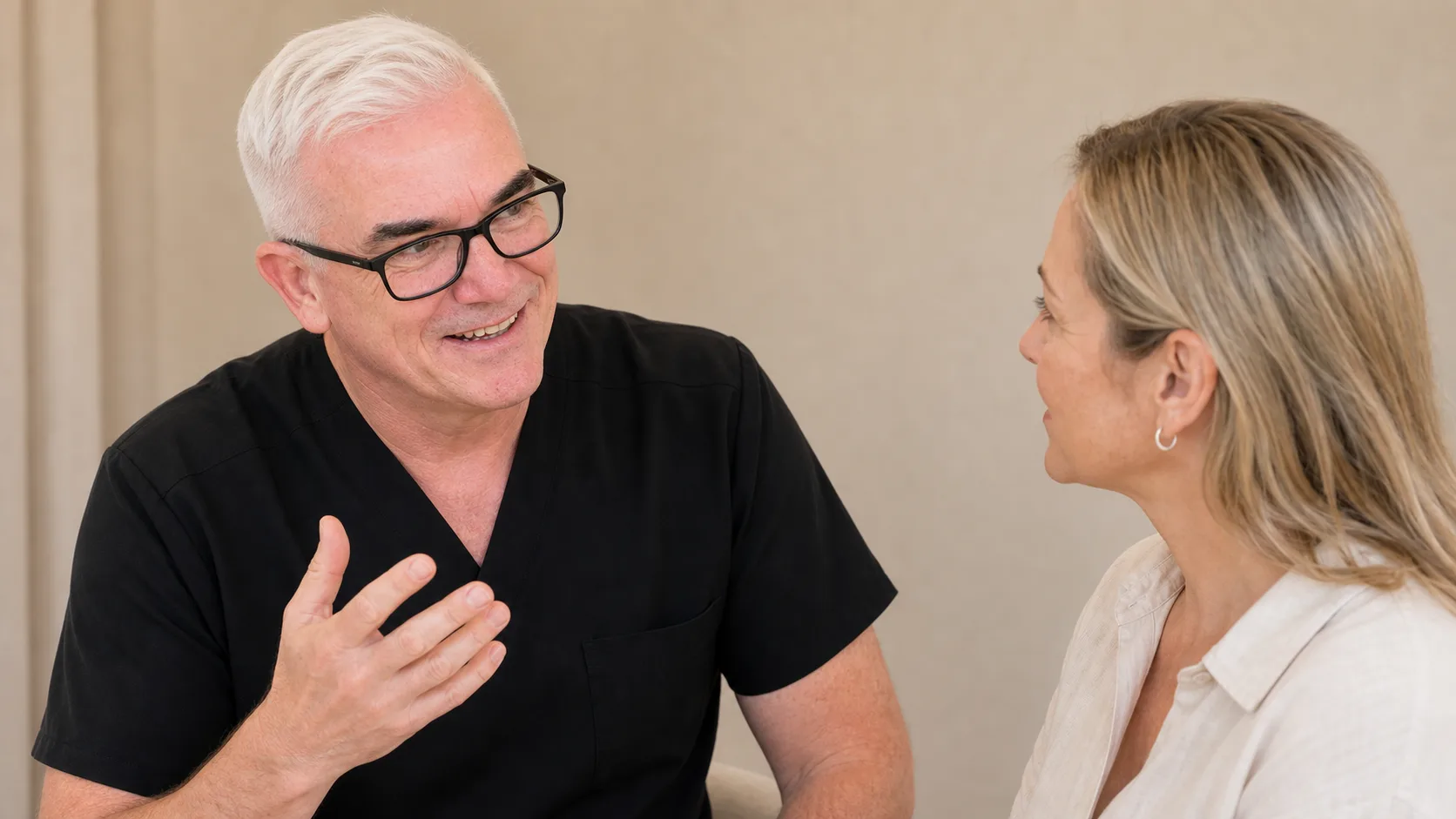
What Is Being Considered Beneath The Surface?
The cheek is not only a skin surface: deep fat compartments and bone support influence how the midface reflects light. Hollowing can involve those support layers changing over time, so consultation looks beneath the surface before any option is discussed.
That concept matters because it separates structural planning from chasing a shadow. The aim of assessment is restraint, proportion and clear limits rather than adding volume wherever a shadow appears.
How Is The Plan Built?
This table is general education only. Your plan requires individual assessment.
| Planning step | What happens | Why it matters |
|---|---|---|
| Layered assessment | Fat compartments, bone support, under eye transition and temple read together. | The driver of the hollow decides the plan, not the shadow itself. |
| History and stability | Weight trend, training, medications, previous treatment and settling status. | Moving weight or unsettled work usually means wait. |
| Zone selection | Specific zones named in, others deliberately named out. | Excluded zones are decisions, recorded with reasoning. |
| Conservative first step | Whether any cosmetic step is suitable, with its risks and limits explained. | A conservative intention does not eliminate risk or guarantee appearance. |
| Settling and review | Review timing tailored to the procedure, symptoms and written aftercare plan. | Evidence replaces prediction before any second step. |
| Deliberate continuation | Extend, hold or done, decided with you. | Plans end on purpose, not by momentum. |
What Can A Review Between Decisions Clarify?
A review can compare the current findings with the earlier assessment and your concerns. The timing depends on the procedure, symptoms and written aftercare instructions; it is not a universal minimum waiting period.
Separate decisions allow time to reconsider what you want and whether any further step is appropriate. Staging does not remove the risks of overcorrection or other complications. Waiting, stopping or seeking another opinion may be the outcome.
What Are The Honest Limits?
Assessment and planning do not themselves restore tissue or change the face. Different concerns may involve skeletal support, fat compartments, skin, weight change or a combination, and each has different possible responses and limits.
Any suitable option must be discussed on its own evidence and risks, without promising restoration or reversal of ageing. The recommendation may be no cosmetic treatment or assessment by another clinician.
What Does Risk Discussion Cover?
The common and the serious: bruising, swelling, tenderness, temporary asymmetry while settling, lumps and infection on one side; rare but serious vascular warning signs on the other, explained specifically because the midface carries important vessels. You will leave knowing what is normal, what is not, exactly how to reach the clinic, and when urgent care is the right call instead.
Consent follows understanding, never precedes it, and an option discussion is never the assumption.
How Do Reviews Keep The Plan Conservative?
Baseline photographs with consent, settled tissue comparison in even light, your own reading of the change given equal weight, and a deliberate decision: extend, hold or done. Reviews help keep each step conservative and reviewable rather than relying on prediction.
The aim is proportionate planning, not a promise that nobody will notice change. If a review suggests the next step would make the result look disproportionate or obvious, holding or stopping is the safer recommendation.
Which Midface Questions Should You Compare Next?
For the causes behind the change, read why cheeks look hollow. For area selection, read choosing volume areas. For timing, read when to wait versus treat and how long cheek treatment lasts.
For decisions, read cheek volume Melbourne, suitability assessment, the aftercare guide, pricing, verify, contact or book.
Cheek Restoration Questions
What does cheek volume restoration mean?
Conceptually: considering whether structural support has changed in the midface and whether conservative support at depth is clinically appropriate. It is not surface filling, and the consultation discussion is balance, proportion and clear limits rather than simply adding volume.
Why is the cheek treated as several zones?
Because it is several structures: the cheek body, the bony rim near the under eye, the outer cheekbone, the transition to the temple and the area above the folds. Each contributes differently to how your midface reads, and a plan names which zones are included and why.
How conservative is a sensible first step?
The first decision is whether any cosmetic treatment is suitable at all. A cautious plan discusses limits, risks, alternatives and whether to wait or stop. Conservative intent does not guarantee a particular appearance or prevent complications.
How does staging work for cheeks?
First step, full settling, review against baseline photographs, then a deliberate decision about whether anything more genuinely improves balance. Many staged plans end at step one because the settled review shows the balance already works. That is a success rather than an unfinished plan, and it is recorded exactly that way in your notes.
What are the realistic limits?
A consultation or treatment plan does not itself change facial volume. The possible effects and limits depend on the specific option, your anatomy and health context. No option should be presented as reversing ageing, and another clinician or no cosmetic treatment may be the appropriate pathway.
What risks are discussed before consent?
Bruising, swelling, tenderness, temporary asymmetry while settling, lumps and infection are commonly discussed, alongside rare but serious vascular warning signs that need urgent attention, which matter particularly in midface work. All of it is explained in plain language before any decision.
Will my face look bigger or done?
That should not be the aim of restoration led planning. Corey discusses proportion, support and the risk of visible overcorrection, then may recommend a conservative plan, timing or another clinically appropriate pathway if the brief is not suitable.
How long does cheek restoration last?
There is no single duration for all approaches described as cheek restoration. Any estimate must relate to the actual procedure, the outcome being measured and its evidence. Ask about uncertainty, review and costs before deciding rather than relying on a generic month range.
What happens at the review?
Settled tissue is compared against baseline photographs, balance is judged in even light, your own read on the change matters as much as the clinical one, and the next step, more, hold, or done, is decided deliberately. Reviews are where restraint actually happens.
What if assessment recommends waiting or nothing?
Then that is the recommendation you receive, with the reasoning explained: weight still moving, lighting driven concern, anatomy rather than loss, or balance that treatment would not improve. A recommendation of a staged assessment plan is routine here and documented like any plan, with the reasoning recorded so a future conversation can pick up exactly where this one ended.
How do I verify the clinic before booking?
Cheek volume consultation at Core Aesthetics is led by Corey Anderson, Registered Nurse, Ahpra registration NMW0001047575. Use the Verify Core Aesthetics page, the clinic contact details and the Ahpra public register to confirm details before booking.
Is this for you?
Consider booking a consultation if
- Adults whose assessment question is how restoration actually works
- People who want staging and limits explained before any consultation
- Patients comparing clinic approaches to midface volume
- Anyone wanting the risks understood alongside the appeal
This may not be for you if
- People seeking dramatic cheek prominence rather than restoration, which this clinic will not provide
- People seeking treatment without assessment, consent or risk discussion
- People with weight still actively changing, for whom waiting is usually the honest answer
- People seeking advice for someone who cannot provide informed consent
Suitability is confirmed at consultation. This list is general guidance, not a substitute for clinical assessment.