For Hawthorn patients, tear trough treatment discussion at Core Aesthetics starts with assessment of under-eye hollowing, puffiness, pigment, skin quality, cheek support, medical history, previous treatment and review access. Corey Anderson RN may recommend treatment discussion only if suitable; waiting, referral, monitoring or no treatment may be safer.
What Is This Guide Answering?
This guide is for Hawthorn patients considering whether to book a tear trough or under-eye assessment at Core Aesthetics in Oakleigh. It explains why the first step is assessment rather than assuming a treatment pathway.
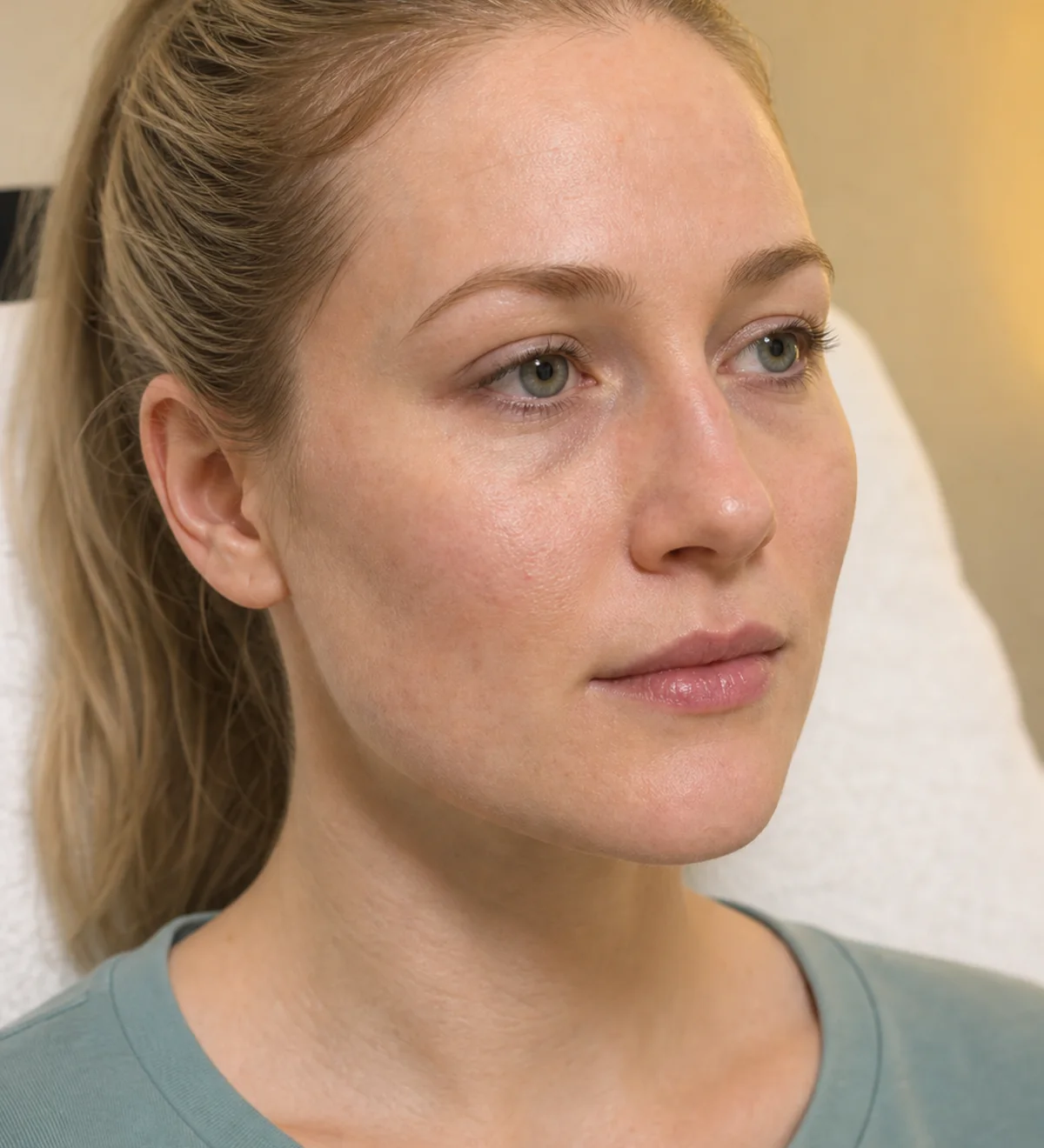
Under-eye concerns can come from hollowing, puffiness, pigment, skin texture, cheek support, tiredness, allergy, fluid retention, previous treatment or a medical concern. A consultation helps separate what may be cosmetic from what should be watched, referred or left untreated.
Where Does This Fit?
This is a local service page for Hawthorn patients who may travel to Oakleigh for consultation. It should help with the local decision: whether the concern is suitable for clinic assessment, what information to bring and how review access would work.
It does not promise a result, confirm suitability or replace medical review for eye symptoms, sudden swelling, pain, colour change or other concerning changes.

What Should Be Clarified First?
Use this as a Hawthorn tear trough preparation checklist. It is general information only and does not decide suitability.
| Assessment question | What Corey checks | Why it matters |
|---|---|---|
| Is it true tear trough hollowing? | Hollowing, puffiness, pigment, skin quality, cheek support, facial structure and whether the concern changes with lighting or expression. | Not every under-eye concern is best handled as tear trough treatment. |
| Are there medical or eye symptoms? | Sudden swelling, pain, colour change, vision symptoms, skin change, allergy history and relevant medical context. | Some concerns need GP, optometry, dermatology or urgent medical review first. |
| Can review happen after travel from Hawthorn? | Travel time, aftercare access, availability for follow-up and what to do if concerns arise. | Practical review access matters before treatment discussion. |
| Is consent settled? | Expectations, event timing, alternatives, risks, uncertainty and the option of doing nothing. | Assessment should reduce pressure, not create it. |
What Should I Ask Corey?
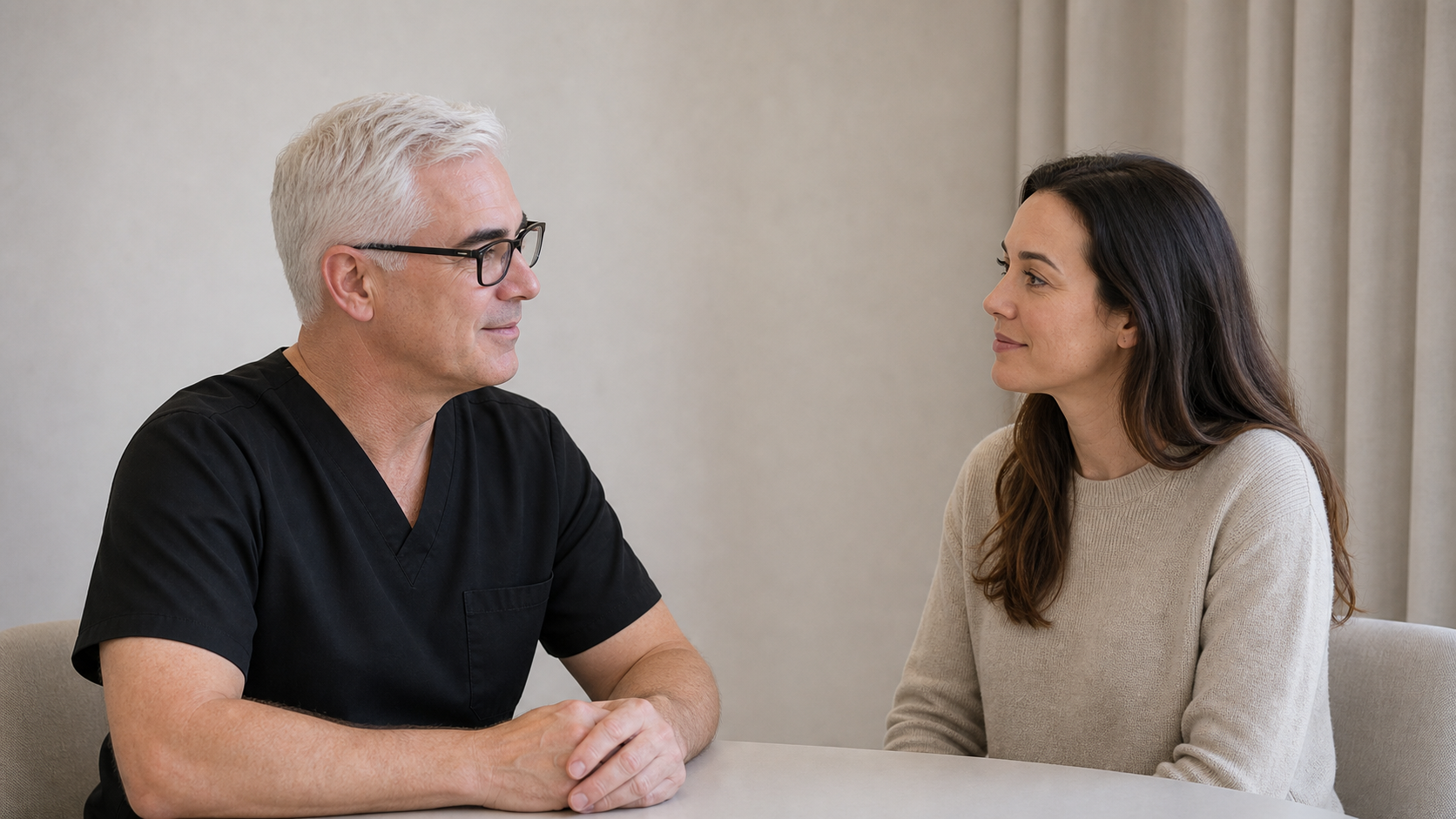
Ask Corey whether the concern appears to be hollowing, puffiness, pigment, skin quality, cheek support, previous treatment, lighting or a medical issue. Ask what information is missing and what would make referral or no treatment more responsible.
Also ask about relevant risks, alternatives, aftercare, review access from Hawthorn and what should happen if symptoms or concerns develop after the appointment.
When Could Waiting Be Safer?
Waiting may be safer when there is sudden swelling, pain, colour change, vision symptoms, active skin irritation, incomplete health information, recent treatment elsewhere, a close event, difficult travel for review or expectations that need more time.
It can also be appropriate to use the appointment for education only. Booking a Hawthorn tear trough consultation does not mean treatment will be recommended or that it needs to happen on the same day.
What Are The Safety Limits?
The under-eye area needs careful assessment because skin, vessels, fluid, pigment, cheek support and facial anatomy all influence risk and suitability. Relevant risks can include bruising, swelling, tenderness, asymmetry, dissatisfaction, delayed issues, visible irregularity or rare serious complications that require urgent review.
Consent should include alternatives, costs, aftercare, review access, uncertainty and the option of doing nothing. A consultation is not an obligation to proceed.
What Should This Guide Help You Decide?
This page should help Hawthorn patients decide what to clarify before trusting an under-eye treatment plan.
| Decision area | What to clarify | Why it matters |
|---|---|---|
| Cause of the under-eye change | Ask whether the concern is hollowing, puffiness, pigment, skin quality, cheek support or something outside cosmetic scope. | The wrong cause can lead to the wrong discussion. |
| Medical review threshold | Ask what symptoms or changes should be assessed by another practitioner first. | Some under-eye concerns are not cosmetic consultation questions. |
| Local review access | Plan travel from Hawthorn, follow-up, aftercare questions and urgent contact pathways. | Review access is part of suitability. |
| No-treatment option | Ask when uncertainty, low likely benefit or risk means not proceeding. | No treatment can be the safest answer. |
Why Is This A Consultation Question?
Tear trough assessment is a consultation question because a page cannot assess lower eyelid anatomy, cheek support, skin quality, puffiness, pigment, facial movement, symptoms, previous treatment or whether the concern belongs in cosmetic care.
Corey uses the appointment to decide what information is reliable, what risks need discussion and whether treatment discussion, waiting, referral, review later or no treatment is more responsible.
What Details Can Change The Advice?
Details that can change tear trough advice include medicines, allergies, medical history, eye or skin symptoms, previous cosmetic treatment dates, dental or sinus history, skin irritation, event timing, travel from Hawthorn and aftercare access.
Write down what worries you, what has changed, what records you have and what would make you prefer to wait. Missing information can change whether the safest advice is treatment discussion, review later, referral or no treatment.
Is this for you?
Consider booking a consultation if
- You are an adult patient from Hawthorn seeking under-eye or tear trough assessment
- You want to understand whether hollowing, puffiness, pigment or skin quality is contributing
- You value conservative consultation before treatment planning
- You are open to waiting, referral, correction assessment or no treatment where appropriate
This may not be for you if
- You want a promised result or treatment without assessment
- You have vision symptoms, severe pain, skin colour change or rapidly worsening swelling that needs urgent care
- You want a quick appointment without informed consent or risk discussion
- You are seeking elective cosmetic advice for someone who cannot provide informed consent
Suitability is confirmed at consultation. This list is general guidance, not a substitute for clinical assessment.
Frequently asked questions
Do Hawthorn patients need consultation before tear trough treatment?
Yes. Under-eye concerns need individual assessment before treatment discussion because hollowing, puffiness, pigment, skin quality, cheek support, symptoms and previous treatment can change suitability.
Is Core Aesthetics located in Hawthorn?
No. Core Aesthetics is located at 12A Atherton Road, Oakleigh VIC 3166. This page is for Hawthorn patients considering whether travelling to Oakleigh for tear trough assessment is appropriate.
What under-eye concerns may not be tear trough hollowing?
Puffiness, pigment, skin quality, cheek support, allergy, fluid retention, sleep, previous treatment and medical concerns can all affect the under-eye area. Assessment helps decide whether referral, waiting or no treatment is safer.
Can Corey recommend referral or no treatment?
Yes. Referral, waiting, monitoring or no treatment may be recommended when symptoms need another pathway, suitability is uncertain, review access is difficult or risk outweighs likely benefit.
What should Hawthorn patients bring to tear trough consultation?
Bring medicines, allergies, relevant medical history, eye or skin symptoms, prior cosmetic treatment dates, records if available, upcoming events, travel limits, aftercare access and questions about what you want assessed.
What risks are discussed for under-eye assessment?
Risks depend on individual assessment and may include bruising, swelling, tenderness, asymmetry, dissatisfaction, delayed issues, visible irregularity and rare serious complications that need urgent review.
How is this different from the tear trough treatment guide?
The tear trough guide explains the broader topic. This Hawthorn page focuses on local consultation preparation, travel to Oakleigh, review access, referral thresholds and what to clarify before booking.
Are product names or guaranteed results used here?
No. Public pages should not promote regulated products or promise outcomes. Product or medicine details may be discussed privately during consultation when clinically relevant to suitability, risk and consent.