Decision moment

What to Do When You Regret Cosmetic Treatment

A practical guide for patients who regret a previous aesthetic treatment. The clinical options including dissolution, the emotional considerations, what reasonable expectations look like for correction, and how to make decisions about future treatment.

Quick summary

A practical guide for patients who regret a previous aesthetic treatment. The clinical options including dissolution, the emotional considerations, what reasonable expectations look like for correction, and how to make decisions about future. Core Aesthetics — consultation-first.

Recognising and engaging with treatment regret

Patients who regret a previous aesthetic treatment can experience a range of emotions: disappointment, anxiety about whether the regret is justified, frustration with the practitioner who performed the treatment, embarrassment about the outcome, fear that the regret will be permanent. These responses are common and the consultation discussion engages with them honestly.

The first task is distinguishing transient post treatment dissatisfaction from genuine treatment regret. Many patients experience uncertainty in the early settling period (1-4 weeks for most treatments) that resolves as the treatment integrates. Treatment regret as a meaningful clinical concept typically refers to dissatisfaction that persists beyond the standard settling period and that is unlikely to resolve on its own.

The second task is identifying what specifically the patient regrets. Is it the magnitude of the change (too much treatment)? The placement (treatment in the wrong location)? The asymmetry? The texture or feel? The way the area looks in specific lighting or expressions? The choice to have treatment at all? Different specific regrets have different clinical responses.

What to do first if you have Post-Treatment regret

Before pursuing correction or dissolution, several initial steps are typically appropriate.

Wait through the standard settling period if the treatment is recent. Most aesthetic treatments take 2-4 weeks to fully settle and the early appearance is not necessarily the final result. Treatment swelling resolves; wrinkle treatment continues to take effect through day 14; the result at day 1 is rarely the result at day 28. Premature correction can mean correcting a transient appearance that would have resolved.

Photograph yourself in consistent lighting at standard angles. Day by day photographs through the settling period help separate the actual result from the patient’s emotional response to it. Some patients find the photographs reveal that the result is more reasonable than they had felt; others find the photographs confirm the dissatisfaction.

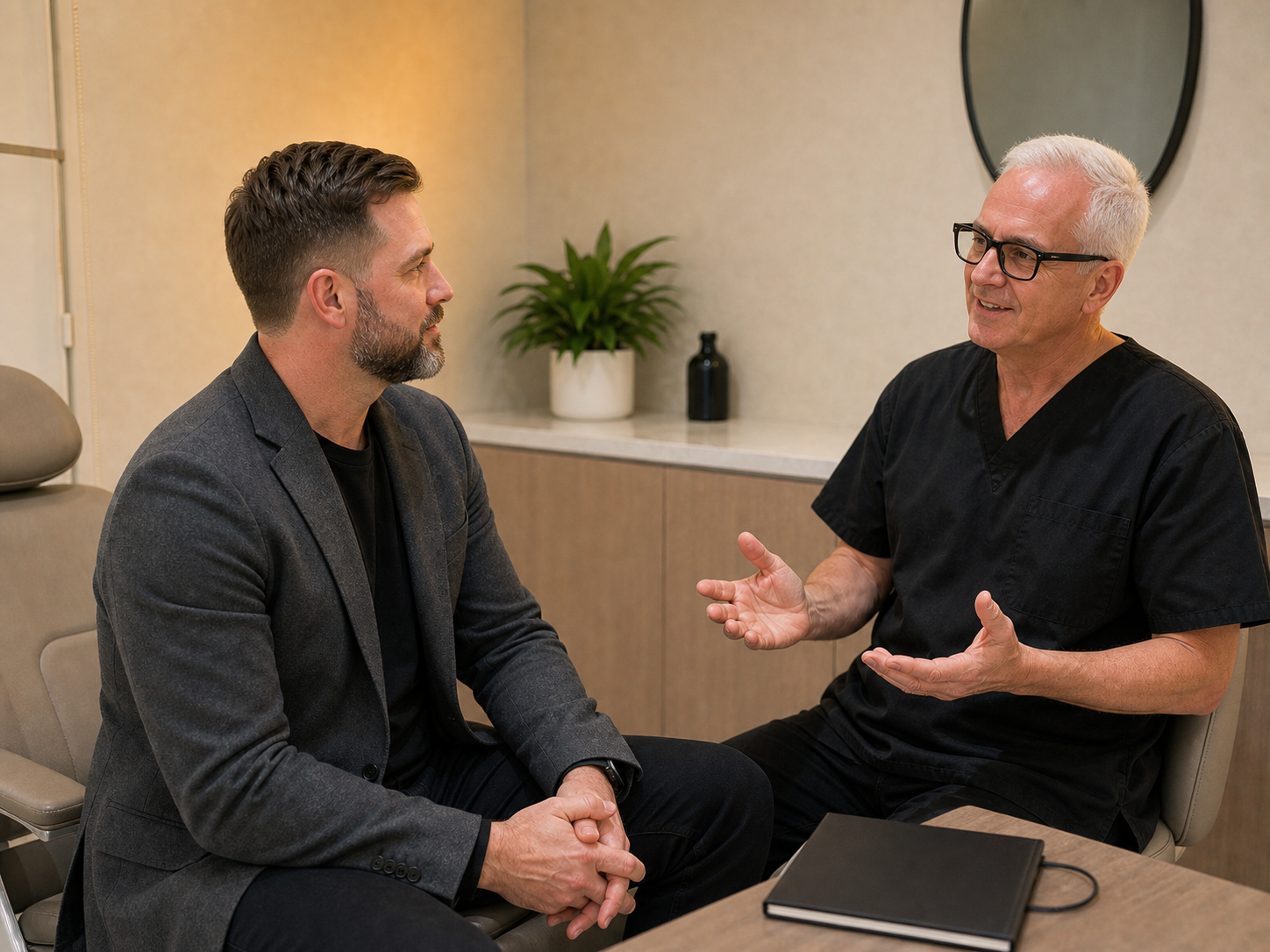
Speak with the original practitioner if practical. The practitioner who performed the treatment has the clinical context for the specific work. If they are reachable and the relationship is intact, the conversation may produce useful information about whether the result is consistent with the planned outcome and what response is appropriate.

Avoid acting on regret while in acute emotional distress. Decisions about correction or dissolution should be made from a settled emotional state where possible. A few days or weeks of reflection before pursuing correction usually produces better decisions than immediate action.

Dissolution as an option for hyaluronic acid volume treatment regret

Hyaluronic acid volume treatment can be dissolved using hyaluronidase, an enzyme that breaks down hyaluronic acid. Dissolution is a clinical procedure separate from the original treatment and is often the appropriate response to volume treatment regret. The dissolved treatment does not return; the area returns to its untreated baseline (or to wherever the prior treatment had baseline shifted it).

Dissolution can be partial or complete. Partial dissolution targets specific areas where the patient is dissatisfied while preserving volume treatment that is sitting acceptably. Complete dissolution removes volume treatment from the treated area entirely. The choice depends on the specific dissatisfaction and is discussed at consultation.

Dissolution has its own recovery profile. The treated area may look different through the dissolution process and may take 1-4 weeks to settle into its new baseline. Some patients find this transition period emotionally challenging because the area can look unusual during the in between phase. The consultation discussion prepares the patient for this rather than presenting dissolution as instantly resolving the regret.

For non hyaluronic acid volume treatments, dissolution is not possible in the same way and the response to regret is more complex. Most aesthetic treatment volume treatments at Core Aesthetics use hyaluronic acid products specifically because of their reversibility, but patients with prior treatment elsewhere may have non-HA products that warrant different management.

Wrinkle treatment regret

Wrinkle treatment cannot be reversed in the way that volume treatment can. wrinkle products work through a different clinical mechanism and the effect simply has to wear off over time, which typically takes 2-4 months. Patients who regret wrinkle treatment can expect the effect to diminish gradually and resolve completely over that timeframe.

Patients with specific wrinkle regret (drooping brow, asymmetric expression, drooping eyelid, inability to make a particular expression) may benefit from clinical advice about whether the issue can be partially mitigated through additional treatment elsewhere. This is consultation stage discussion. In some cases, treating an opposing muscle group can rebalance the appearance; in other cases, waiting for the original treatment to wear off is the only option.

When the regret is about having had treatment at all

Some patients’ regret is not about a specific feature of the treatment but about having had treatment at all. They wish they had not started aesthetic treatment engagement and want to return to their pretreatment baseline.

For these patients, the response depends on what treatment they have had. If only wrinkle, the effect will wear off naturally over 2-4 months. If volume treatment is involved, dissolution can accelerate the return to baseline. Either way, the clinical situation is reversible in most cases; the regret can be acted on without permanent consequence in the technical sense.

The emotional response to having had cosmetic treatment one wishes one had not is its own consideration. Some patients find that returning to baseline resolves the regret; others find that the experience leaves a lasting imprint regardless of the technical reversal. The consultation discussion engages with this honestly. Professional emotional support (therapist, counsellor) may be appropriate alongside the clinical management.

Planning future treatment after regret

Some patients who have regretted previous treatment go on to have further aesthetic treatment elsewhere, with substantially better outcomes the second time. The reasons typically involve more careful practitioner selection, more careful consultation engagement, more conservative dosing, and more realistic expectations.

If you have regretted previous treatment and are considering future treatment, the consultation discussion typically covers: what specifically went wrong with the previous treatment, what you learned about your own preferences from that experience, what you would do differently this time, and what reassurance you need about the current consultation and clinic before proceeding.

Some patients reach the conclusion that they would prefer not to have any further aesthetic treatment after a regretted experience. This is a legitimate decision and the clinic supports it. The consultation that engages with this conversation does not advocate for further treatment.

Distinguishing transient dissatisfaction from genuine regret

The first task in addressing apparent treatment regret is distinguishing transient dissatisfaction in the early settling period from genuine regret that warrants action. The two feel similar in the moment but have very different appropriate responses.

Transient dissatisfaction typically appears in the first 1-3 weeks after treatment, peaks during the time when swelling is most visible (24-72 hours for volume treatment) or before the result has fully developed (7-14 days for wrinkle), and resolves as the treatment integrates. Patients in this phase often feel certain that the result is wrong; the certainty itself is part of the early settling experience for many patients. Acting on this certainty by pursuing immediate dissolution or correction often means correcting a transient appearance that would have resolved.

Genuine regret persists beyond the standard settling period. The patient remains dissatisfied at week 4, week 8, week 12. The dissatisfaction is consistent across lighting conditions, photographs, and emotional states. Other people who know the patient well also notice that the result is not what was intended. This pattern warrants clinical engagement because it is unlikely to resolve without intervention.

Some practical tests for distinguishing the two: photograph yourself in consistent lighting day by day for the first three weeks. Look at the photographs at the four week mark in chronological order. Patients with transient dissatisfaction often see in the photographs a clearer settling trajectory than they could feel in real time. Patients with genuine regret often see the photographs confirm the dissatisfaction.

Speak with one or two trusted people who knew you well before the treatment. Ask for honest assessment of how the treated area looks now compared to before. People close to you who are not invested in either dissatisfaction or reassurance can often provide useful perspective. Their assessment plus your own typically clarifies whether the regret is genuine.

Wait through one menstrual cycle if applicable. Hormonal fluctuations affect facial appearance and emotional response to it. Some patients experience apparent regret during specific hormonal phases that resolves at other phases. A regret that persists across cycles is more likely genuine than a regret that fluctuates.

The lip treatment swelling stages page covers the typical settling timeline for one common scenario where transient dissatisfaction is particularly common.

Building trust with a new clinic after a regretted experience

Patients who have regretted a previous aesthetic treatment experience and are considering future treatment often face the question of how to evaluate whether a new clinic will produce a different outcome. Several questions can help.

What does the new clinic do differently from the previous one? Specific differences (consultation based model versus same day treatment, conservative dosing versus maximalist approach, one practitioner continuity versus rotating injectors) matter more than general claims. A new clinic that operates the same way as the previous one is unlikely to produce a different outcome regardless of what they say.

How does the new clinic respond when you describe the previous regret? A clinic that engages thoughtfully with the previous experience, that asks about specifics, that does not rush to attribute blame to the previous practitioner, and that focuses on what to do now rather than on what happened previously is operating from clinical professionalism. A clinic that uses the previous regret as a sales opportunity to recommend extensive treatment is operating from different priorities.

What specific approach does the new clinic propose? A new clinic that proposes more conservative treatment than the previous one (smaller doses, fewer areas, longer settling periods) is engaging with what likely went wrong previously. A new clinic that proposes extensive treatment to “fix” the previous regret may be missing the lesson the regret should teach.

Does the new clinic encourage you to take time to consider before booking? A clinic that encourages reflection, that does not pressure same day decisions, and that explicitly invites the patient to leave without booking is operating with appropriate clinical posture. A clinic that creates urgency around a treatment decision after a regretted experience is repeating the dynamic that often contributed to the original regret.

How does the new clinic communicate about reversibility and contingency? A clinic that discusses dissolution options openly, that has hyaluronidase on site for immediate use, and that has clear protocols for managing dissatisfaction is engaging with the realistic possibility that treatment may not produce the expected result. A clinic that treats reversibility discussion as an awkward topic warrants caution.

The consultation guide page covers how to evaluate a new clinic from the consultation experience itself. Patients with previous regret typically benefit from approaching the new consultation with explicit attention to whether the clinic’s posture is different from where the previous regret happened.

The emotional dimension of regret and how to navigate it

Treatment regret has clinical dimensions (what the result looks like, what to do about it) and emotional dimensions (how the patient feels about having the regret, how it affects their relationship with their appearance going forward). Both deserve attention; many patients find the emotional dimension lingers even after the clinical situation is resolved.

One pattern that recurs is patients feeling embarrassed about having had treatment they now regret. The embarrassment can prevent them from seeking correction promptly, can affect how they discuss the situation with their support network, and can produce reluctance to engage with aesthetic treatment in the future even when their underlying interest in it remains. The embarrassment is understandable but often disproportionate to the actual situation. Treatment regret is common in clinical practice and engaging with it openly typically produces better outcomes than concealing it.

Another pattern is patients feeling angry with themselves for having proceeded with treatment despite reservations they felt at the time. Self blame can produce paralysis or, conversely, hasty decisions about correction. The clinical conversation about what to do now is more productive than the emotional conversation about why this happened, but the emotional conversation often needs space to occur before the clinical one is fully useful. Some patients find that processing the regret with a therapist or trusted support person before the clinical consultation produces a better consultation experience.

A third pattern is patients losing trust in aesthetic treatment practice generally after a regretted experience. This loss of trust can be appropriate (some patients should not have further aesthetic treatment) or it can be excessive (some patients would benefit from further treatment but are now afraid). The consultation can help distinguish the two, but ultimately the trust question is the patient’s to resolve. The why we sometimes say no page covers the framework Core Aesthetics uses for honest treatment recommendations including the recommendation against further treatment when that is appropriate.

Patients navigating treatment regret should give themselves permission to take time. The decision about how to address the regret does not need to be made immediately. Most regretted treatments are reversible (volume treatment can be dissolved, wrinkle effects wear off), and the time to make the right decision is typically measured in weeks rather than days. The volume treatment dissolution and reversal page covers the practical clinical options for patients ready to take action; the timing of when to act on those options is the patient’s to choose.

Clinical accountability and how this guide is reviewed

The clinical content on this page is written and reviewed by Corey Anderson, AHPRA registered nurse (NMW0001047575). The content reflects how Core Aesthetics frames this clinical conversation in practice. Results vary between individuals; the descriptions on this page refer to typical patterns rather than what every patient will experience.

Specific to regret content: patients with regret about previous treatment performed elsewhere are welcome at Core Aesthetics for assessment and management discussion. The consultation does not require attribution of fault to the original practitioner; the focus is on what to do now rather than on what was done previously.

Patients can verify Corey Anderson’s AHPRA registration on the public register at ahpra.gov.au using number NMW0001047575. The Core Aesthetics clinic operates from 12A Atherton Road, Oakleigh VIC 3166, by consultation appointment. All new patient treatment at Core Aesthetics follows a structured clinical consultation, consistent with the September 2025 AHPRA cosmetic procedures guidelines. The team page covers the practitioner background.

Patients reading this page from a position of treatment regret who decide to engage with a new clinic to address the situation often find the consultation conversation produces clarity that the regret itself did not provide. The discussion engages with the specific clinical situation, the realistic options available, and the timing of any intervention. The being turned away or upsold elsewhere page covers patient experiences at other clinics that may resonate.

Is this for you?

Consider booking a consultation if

  • Patients regretting a previous aesthetic treatment performed at any clinic
  • Patients with persistent dissatisfaction after the standard settling period
  • Patients considering volume treatment dissolution to address regret
  • Patients planning future aesthetic treatment after a regretted previous experience

This may not be for you if

  • Patients in the immediate post treatment settling period (typically 1-4 weeks) where regret may resolve as the treatment integrates
  • Patients seeking immediate same day dissolution without consultation
  • Patients seeking validation of regret as the basis for legal action against the original practitioner (this is outside the consultation scope)
  • Patients under 18 years of age

Suitability is confirmed at consultation. This list is general guidance, not a substitute for clinical assessment.

Frequently asked questions

How long after treatment is regret meaningful versus transient?

Most aesthetic treatments take 2-4 weeks to fully settle. Regret in the first 1-2 weeks may resolve as the treatment integrates. Regret persisting beyond 4 weeks is more likely to be meaningful and warrants clinical engagement. The settling period varies by treatment type; the consultation can discuss the relevant timeline.

Will the practitioner who performed my treatment be defensive if I express regret?

Not at Core Aesthetics. Treatment regret is a recognised clinical situation and the consultation engages with it honestly. Patients are not made to feel bad for expressing dissatisfaction. The practitioner’s response to regret is one indicator of how that practitioner approaches clinical relationships generally.

Can I dissolve treatment that was placed at another clinic?

Yes. Hyaluronic acid volume treatment can be dissolved regardless of where it was originally placed. The consultation includes assessment of what was likely placed (based on history and clinical examination) and discussion of dissolution approach. Patients with non hyaluronic acid volume treatment from other clinics have a more complex situation that the consultation can engage with.

Will dissolution leave my face looking strange?

During the dissolution process and the early settling phase, the area may look different from both the over treated state and the eventual baseline. Some patients find this transition emotionally challenging. The consultation discussion prepares patients for this. The eventual outcome is typically resolution to the patient’s underlying baseline, not "stranger" looking.

How quickly can I get dissolution after I decide I want it?

For new patients seeking dissolution at Core Aesthetics, the standard consultation then treatment pattern applies under September 2025 AHPRA guidelines. The consultation is scheduled first, dissolution is scheduled separately on a different day. For patients in distress, the typical interval can be compressed to a few days rather than the more typical 1-2 weeks.

Will the clinic charge me for dissolving treatment that was placed elsewhere?

Yes. Dissolution of volume treatment placed at another clinic is a separate clinical procedure with its own consultation, assessment, and procedural cost. Specific pricing is discussed at consultation.

Can I have new volume treatment immediately after dissolution?

Typically not. The clinical guidance is to allow the dissolution to settle and the new baseline to become visible before considering any further volume treatment. The waiting period varies by individual situation and is discussed at consultation. Premature retreatment can compound the regret rather than resolving it.

What if my regret is about wrinkle treatment that has not worn off yet?

Wrinkle treatment cannot be reversed in the way volume treatment can. The effect wears off naturally over 2-4 months. Some specific wrinkle regrets can be partially mitigated through additional treatment elsewhere; others require waiting for the effect to resolve. The consultation can discuss what is and is not possible for your specific situation.

Should I proceed with treatment if I am unsure whether it is right for me?

Uncertainty is a reasonable reason to defer rather than proceed. A clinical assessment can clarify whether treatment is appropriate, what approach would be suitable, and what realistic expectations are for your situation. Treatment is only recommended when clinical suitability is clearly established.

Is it safe to have aesthetic treatment for the first time?

Aesthetic treatments involve prescription medicines and carry clinical risks including bruising, swelling, asymmetry and, in rare cases, more serious complications. Safety is directly influenced by practitioner qualifications, assessment quality and technique. A thorough consultation is the starting point to understand the risks specific to your situation.

Why does treatment outcome vary between individuals?

Individual anatomy, skin quality, muscle activity, metabolism and the degree of change being addressed all influence how prescription injectable treatment performs and how long it lasts. This is why assessment-led, individually planned treatment is the clinical standard.

Clinical references

  1. AHPRA: Guidelines for registered health practitioners in cosmetic procedures (September 2025)

Written and reviewed by Corey Anderson RN, AHPRA NMW0001047575 · Reviewed April 2026 · Consultation required · TGA & AHPRA compliant

Begin With A Conversation

Book your consultation.

No commitment, no pressure. A considered first step toward understanding what is and isn’t right for you.

Book Consultation

Elegance, Perfected.