
CORE AESTHETICS · PLAIN LANGUAGE GUIDE
What is an aesthetic consultation?
An aesthetic consultation is a clinical appointment to discuss an appearance concern, assess what may be contributing to it and explain your choices. Attending does not commit you to a procedure.

Consultation, assessment, recommendation and consent
Four different parts of making a decision about care.
QUESTIONS ABOUT WHAT A CONSULTATION MEANS
What does aesthetic consultation mean?
It is an appointment about your appearance, such as a change in a facial feature, movement or skin. You explain what you have noticed, and the practitioner assesses the concern and discusses appropriate next steps. You can attend without choosing a treatment beforehand.
How is a consultation different from an assessment?
The consultation is the whole appointment; assessment is the clinical review within it. For example, you might say, “This crease now stays when my face relaxes.” Corey may ask when it changed, review your health and previous care, and look at the area at rest and in movement.
YOUR PRACTITIONER
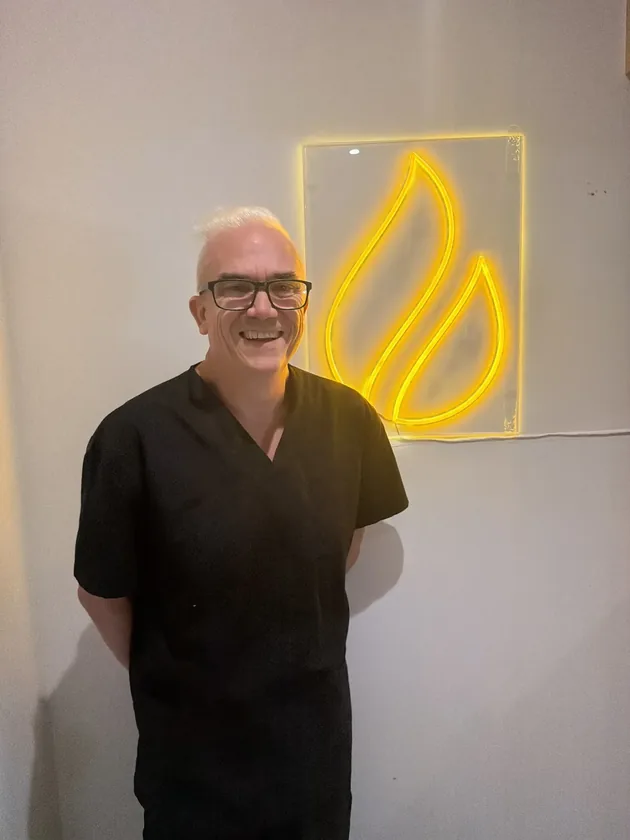
Your consultation with Corey Anderson RN
Corey conducts consultations at Core Aesthetics in Oakleigh. The initial consultation is at no charge and generally takes 30 minutes. You can use the appointment for information and questions, or discuss treatment if appropriate.
What does a recommendation mean?
A recommendation is the practitioner’s advice about what to do next and why. That might mean discussing suitable care, getting previous records, waiting, seeing another clinician or leaving the concern alone. You can ask how the advice follows from the assessment and choose whether to proceed.
Does every assessment end with a treatment recommendation?
No. An assessment can lead to an explanation, more information to gather, waiting or another clinician’s advice. You can ask why treatment has not been recommended and what, if anything, you should do next.
What does informed consent mean?
Informed consent means voluntarily agreeing to a specific procedure after receiving information you can understand. The discussion should cover what is proposed, its expected benefits, risks that matter to you, alternatives, limitations, likely recovery, review and costs, including the choice to wait or do nothing. This is part of informed consent. You should have an opportunity to ask questions and can decline if the option does not suit you.
Does booking or agreeing to a cost mean I have consented?
No. Booking an appointment and agreeing to a price are separate from agreeing to a procedure. You still need to understand the proposed care, its benefits, risks and alternatives, and decide freely whether to proceed.
Do consultation, assessment, recommendation and consent require separate visits?
Not necessarily. They are parts of a decision, not four separate appointments. At Core Aesthetics, treatment can usually be arranged at the end of your consultation once Corey confirms suitability, required clinical arrangements are complete, you have given informed consent and itemised costs are agreed. If another day is needed, Corey explains why and what happens next. You can also leave with information only, with no pressure to proceed.
Are aesthetic and cosmetic consultations the same thing?
Yes. At Core Aesthetics, aesthetic and cosmetic consultations mean the same thing.
CORE AESTHETICS · OAKLEIGH
Want to ask about your own concern?
You do not need to choose a procedure before booking. Bring your questions and describe what you notice in your own words.
Book a consultation