Facial ageing cannot be biologically reversed by cosmetic treatment. Ageing involves skin, fat pads, bone, muscle activity, facial support and health over time. Some visible concerns may be softened, supported or managed where assessment shows treatment planning is suitable. Corey Anderson RN explains realistic limits, medical review signals, risk and consent before any decision to proceed, wait, refer or avoid treatment.
Natural Looking Planning Goals
Natural looking planning goals should be described as aims, not promises. Corey considers individual variation, facial balance, proportion and restraint before deciding whether a plan is clinically appropriate.
This keeps the discussion grounded in anatomy, timing, consent, risk and realistic expectations rather than a promised cosmetic outcome.
What Reversal Really Means
People often use the word reversal when they mean several different things: looking less tired, softening shadows, improving facial balance, supporting volume change, managing lines or feeling more like themselves.
Those are not the same as reversing ageing. A careful consultation translates the broad wish into a specific clinical question: what has changed, what is contributing to it and what, if anything, is suitable to address.
What May Be Managed
Some concerns may be suitable for conservative planning. These can include selected changes in facial support, proportion, contour, skin quality discussion or movement related concerns, depending on assessment.
Suitability depends on anatomy, skin condition, previous treatment, medical history, timing, expectations and risk. The same visible concern can have different causes in different people.
What Cosmetic Treatment Cannot Do
Cosmetic treatment cannot stop ageing, restore earlier anatomy, replace surgical assessment where surgery is more appropriate, remove health related causes of facial change or promise a permanent change.
It also cannot make every concern suitable. When skin laxity, tissue descent, medical issues or expectation mismatch are the main problem, a non-surgical plan may not be the responsible answer.
Skin, Structure And Expression Are Different
Facial ageing is not one thing. Skin changes, structural support changes, facial fat pad changes and expression related lines can overlap, but they are assessed differently.
This matters because treating the wrong layer of the problem can waste time and create disappointment. A consultation should identify whether the visible concern is mainly skin quality, structure, movement, health related change or a combination.
When Change Needs Medical Review
Sudden, rapid, one-sided, painful, swollen, red, infection like or unexplained facial change should not be treated as ordinary cosmetic ageing. New severe headaches, vision symptoms, facial weakness, unexplained weight loss or systemic symptoms need appropriate medical advice.
Corey may recommend medical review before cosmetic planning if the history suggests the concern should be assessed outside a cosmetic clinic first.
Why Big Claims Are A Red Flag
Claims that promise reversal, certainty, dramatic transformation or universal suitability should make patients cautious. Ageing is biological, individual and ongoing.
Responsible advice should sound more measured: what may be contributing to the concern, what is suitable, what is not suitable, what risks apply and what would make the practitioner recommend waiting or referral.
How Corey Sets Expectations
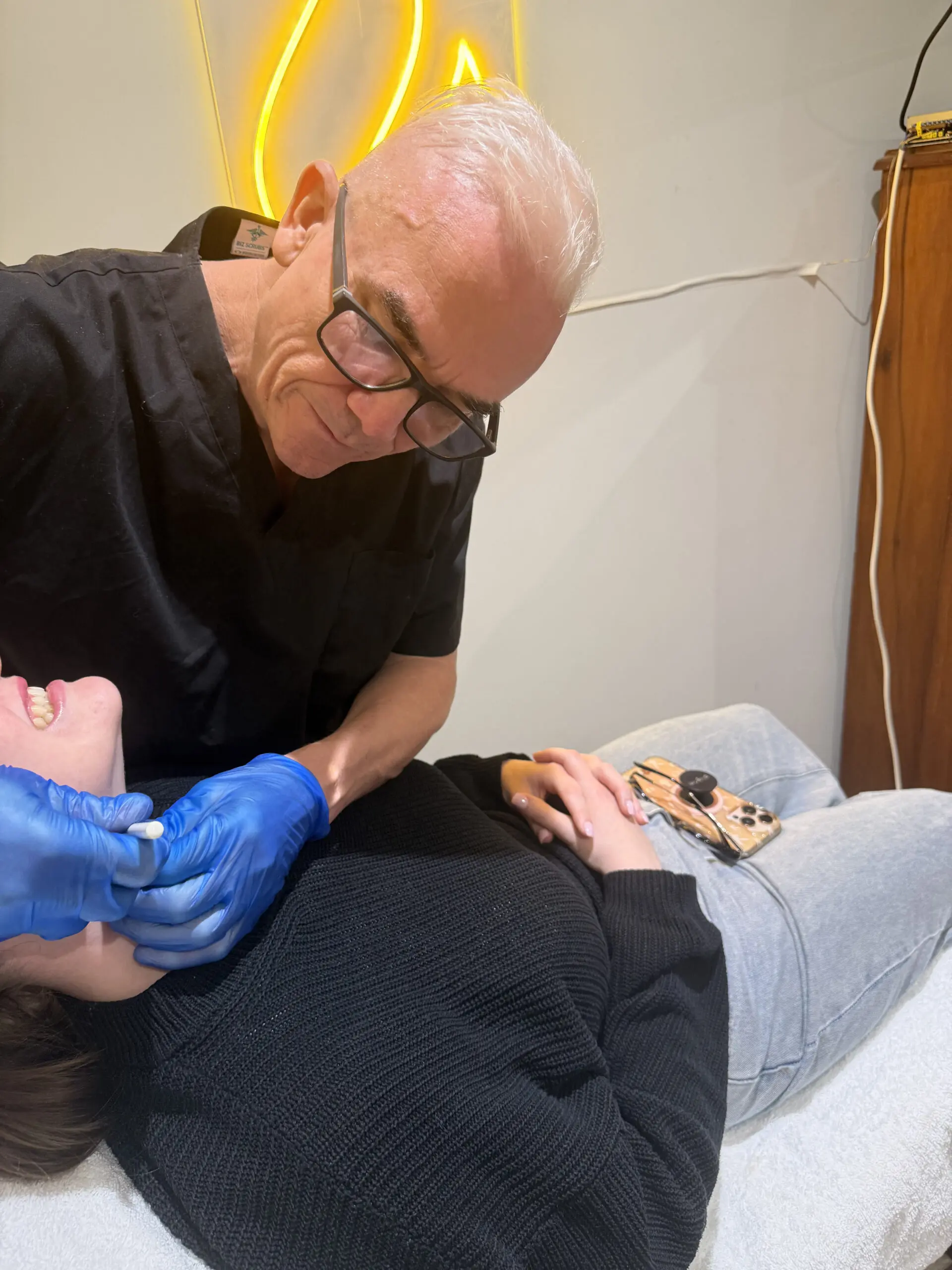
Corey Anderson RN assesses the concern, facial structure, skin quality, previous treatment, medical history and expectations before discussing options. The aim is to decide which suitable options are worth discussing, not to force the concern into a pre written plan.
Sometimes the most appropriate recommendation may be education, skin care discussion, staged planning, review, referral, timing or another clinically appropriate pathway.
A Better Question To Ask
Instead of asking whether ageing can be reversed, ask what is causing the concern you notice and whether that cause is suitable for assessment in a cosmetic clinic.
That question leads to better decisions. It also leaves room for the most useful answer in aesthetics: sometimes the right move is to do less, wait, or not treat at all.
What Can And Cannot Change With Cosmetic Planning?
The better question is not whether ageing can be reversed, but which visible concerns can be responsibly assessed and what limits apply.
- Skin quality, movement lines, support, shadows and proportion may each need a different discussion.
- Bone, health history, genetics, long term tissue change and natural ageing cannot be reset.
- Some concerns are better managed with skin care, medical review, referral, timing or another clinically appropriate pathway.
- Any treatment discussion must include suitability, risks, aftercare, review and consent.
When Are Reversal Claims A Warning Sign?
Strong reversal claims should be treated cautiously because they can minimise complexity and risk.
- Be cautious with wording that suggests a previous face can be restored or all ageing can be removed.
- Be cautious with comparison photo thinking that ignores individual anatomy and risk.
- Ask what will be assessed, what cannot be changed and what would make treatment unsuitable.
- Ask whether timing or another clinically appropriate pathway would be more responsible.
If Any Treatment Discussion Is Still Appropriate
If any treatment discussion is still appropriate, Corey keeps it conservative. The conversation may be about softening one concern, staging care, supporting skin or not treating if the better answer is to leave the face alone.
The key question is what can realistically change, not whether the word reversal was used.

What To Confirm Before Talking About Reversal
Before booking, confirm who will assess you, what the consultation is for and whether the page is about reversal claims or the more realistic question of what can be managed. Bring previous treatment details, a medication list and any photos that show how the concern has changed.
Core Aesthetics consults from 12A Atherton Road, Oakleigh. Consultations are led by Corey Anderson RN, Registered Nurse, and he can be checked on the Ahpra public register using registration number NMW0001047575.
This page was reviewed on 5 September 2026 for consultation-first wording, suitability language, risk framing and expectation setting.
Use the verification page if you want to check the clinic and practitioner before attending.

When To Book, And When To Slow Down
Book when you want a clinician to separate what can be managed from what cannot be reversed. Slow down or seek medical review first if the change is sudden, painful, one sided or medically unusual.
A cosmetic consultation should not replace medical assessment when symptoms point that way.
How Fees Fit A Realistic Plan
Fees are discussed after Corey has assessed the concern, the areas involved, timing, medical history and whether treatment discussion is appropriate. That keeps pricing tied to suitability, review planning and realistic expectations rather than to a guess before assessment.
If you want practical fee context before attending, read pricing and then bring your questions to consultation.
General Information Only
This page is general information for adults researching facial ageing and cosmetic consultation. It does not diagnose your concern, promise suitability or replace medical advice.
Your appointment is designed to clarify the concern, suitable options and what happens next. If timing or another clinically appropriate pathway is safer, that should be explained just as clearly.
Is this for you?
Consider booking a consultation if
- You are an adult wanting realistic information about facial ageing and cosmetic consultation
- You want to understand whether a visible ageing concern may be suitable for assessment
- You are open to adjusted timing, review with another health professional, skin care discussion or a staged assessment plan if that is safer
- You prefer cautious planning over exaggerated reversal claims
This may not be for you if
- You have sudden, painful, one-sided or unexplained facial change that needs medical advice
- You want a promised reversal of ageing or a treatment decision without assessment
- You are not an adult patient
- You are pregnant or trying to conceive and are seeking elective aesthetic treatment
Suitability is confirmed at consultation. This list is general guidance, not a substitute for clinical assessment.
Frequently asked questions
Can facial ageing be reversed?
Not in the literal biological sense. Cosmetic treatment cannot stop ageing or restore earlier anatomy, but some visible concerns may be assessed and managed where suitable.
What does it mean to manage visible ageing changes?
It means assessing what contributes to a concern and discussing whether conservative planning, skin care discussion, staged review, referral, timing or another clinical pathway fits better.
Can treatment make me look like I did years ago?
That should not be promised. Responsible planning works with current anatomy, skin quality, health context and risk rather than promising a return to an earlier face. Corey may discuss whether a visible concern can be assessed, managed, monitored, referred or left untreated.
What facial ageing changes need medical review first?
Sudden, rapid, painful, one-sided, swollen, red, infection like or unexplained changes, or changes with vision symptoms, severe headache, facial weakness, weight loss or systemic symptoms, need medical advice.
Why is assessment needed before planning?
Similar looking concerns can come from skin, structure, movement, health factors, weight change or previous treatment. Assessment helps identify what is driving the concern and which options may be suitable, whether timing needs adjusting and what next step fits best.
When might a staged assessment plan be recommended?
A staged assessment plan may be recommended when risk is too high, expectations are not realistic, the concern needs medical review or the visible change is outside the scope of treatment.
How will Corey explain the next step after assessment?
Some patients may be suitable for treatment after assessment, informed consent and discussion of risks and alternatives. The appointment creates time for assessment, questions and a clear plan.
What should I ask instead of whether ageing can be reversed?
Ask what is contributing to the specific concern, whether it is suitable for cosmetic assessment, what risks apply and what would make Corey recommend timing or another clinically appropriate pathway.