Educational Guide

Nasolabial Fold Treatment Keep It Natural

Nasolabial Fold Treatment Keep It Natural explains how concerns are assessed at Core Aesthetics in Oakleigh, including suitability, medical history, risk, timing and when treatment may not be appropriate.

Quick summary

A conservative aesthetic planning consultation assesses whether volume change, flattening, hollowing or proportion change is related to ageing, anatomy, weight change, tissue support or previous treatment. Suitability and risk are considered before any plan. Sometimes the safest recommendation is review, delay or no treatment.

What Are Nasolabial Folds and Why Do They Deepen?

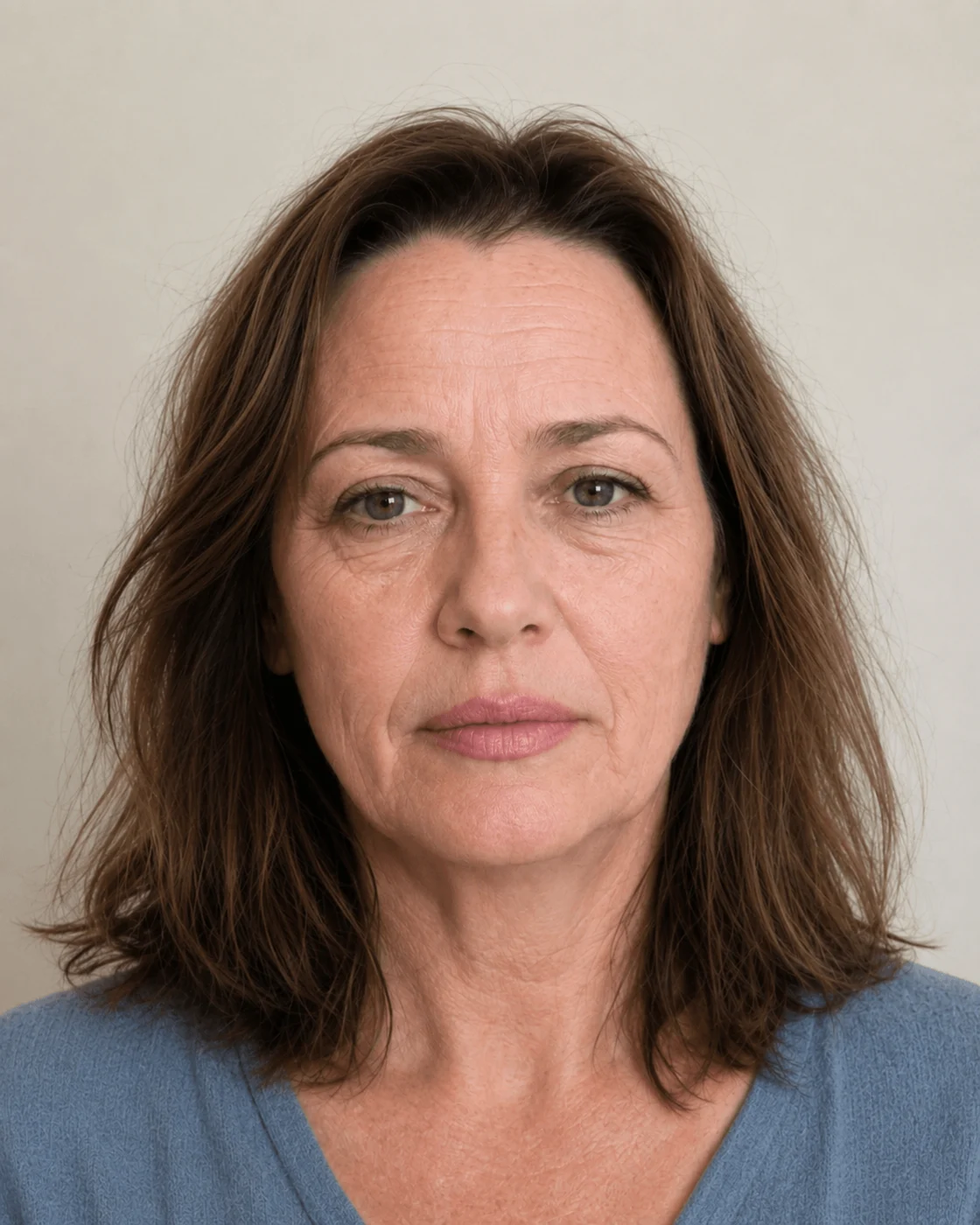
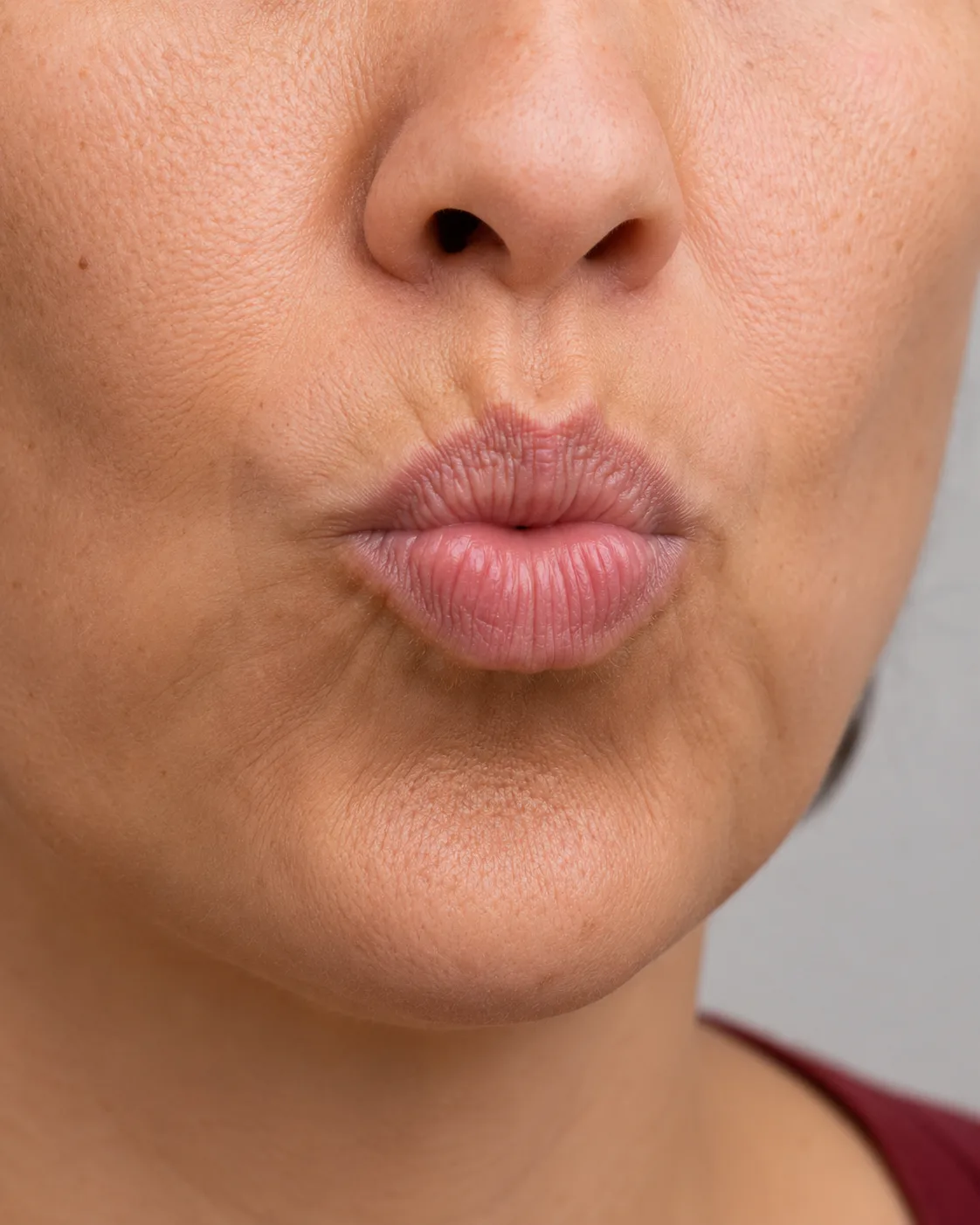
Nasolabial folds are the lines that run from the sides of the nose down towards the corners of the mouth. They are a normal facial feature, present from birth and visible whenever we smile or animate. The concern that most people raise in a consultation is not about the fold in animation, but about the fold becoming visible at rest as they age.

Several distinct anatomical changes contribute to this deepening. The midface fat pads, particularly the malar and sub malar compartments, begin to reduce in volume and descend with age. As this upper face support diminishes, the cheek tissue droops, placing additional downward load on the nasolabial region. At the same time, bone resorption in the maxilla reduces the skeletal foundation the soft tissue rests on. The ligaments that tether facial tissue to the underlying structure relax, allowing more gravitational descent. Finally, the skin itself loses collagen and elastin, reducing its capacity to spring back.

The result is a fold that appears deeper, heavier, and more prominent at rest, even though the fold itself has not fundamentally changed. What has changed is everything around it: the support structure above, the volume lateral to it, and the skin draped over it. Understanding this distinction is central to any treatment conversation.

The Common Mistake: Treating the Fold Directly

When patients first consult about nasolabial folds, many expect that the treatment will involve placing product directly into the fold itself. This is a logical assumption, the fold is the visible concern, so filling it seems like the obvious solution.

The problem with direct fold filling is that it addresses the symptom rather than the cause. When volume is placed directly into the nasolabial fold, it can temporarily reduce the shadow created by the fold, but it does not address the loss of midface support that caused the fold to deepen. The result is often a face that looks fuller in an unusual way, with a stiffness or unnaturally smooth band across the lower face, the characteristic “volume treatment face” appearance that many patients and practitioners now actively avoid.

Repeated filling of the fold can also accumulate product in a region that is not well suited to holding large volumes over time. Volume treatment in the nasolabial region can migrate more readily than in structural areas like the cheek or jawline, and over time it can contribute to a thickened, doughy appearance at the fold rather than a natural softening.

A practitioner with an anatomy led approach will identify whether the fold is being driven by midface descent, in which case midface treatment is the more effective and natural looking solution, or whether there is a localised component to the fold that benefits from conservative, targeted product placement.

How Midface Volume Affects the Nasolabial Region

The midface, roughly the region from the cheekbones to the line of the mouth, acts as a structural support system for the lower face. When midface volume is adequate, the overlying tissue sits in a high, forward position, reducing the shadow at the nasolabial fold and maintaining a youthful facial proportion.

As the midface loses volume and descends with age, this support is withdrawn. The tissue that previously sat high on the cheek begins to pile up at the nasolabial fold and jowl region. Treating the midface, restoring volume to the malar compartment and the sub malar area, lifts this descended tissue and reduces the load on the nasolabial fold without placing product directly into the fold itself.

The effect is a more natural improvement in the nasolabial region because it replicates the actual structural change that occurred with ageing. The fold softens because the tissue above it has been lifted, not because the fold itself has been filled. This is the fundamental difference between an anatomy led approach and a symptom focused approach.

Not every patient needs midface treatment to address nasolabial concerns, this depends on the degree of midface descent, the individual’s facial structure, and their treatment goals. This determination is made during the clinical assessment, not in advance of it.

What Does "Natural-Looking" Actually Mean?

The phrase “natural looking” is one of the most commonly used terms in aesthetic treatment consultations, and one of the most loosely defined. It is worth being specific about what it means in a clinical context, because it shapes every treatment decision.

Natural looking results, in the context of facial volume treatment, generally means results that preserve the patient’s characteristic facial proportions, maintain the normal relationship between facial thirds, allow natural facial animation without distortion, and do not introduce volume or structure that is inconsistent with the patient’s age, anatomy, or ethnicity.

A result that looks natural does not mean a result that is invisible. Subtle volume restoration can be visible in the sense that the face looks more refreshed, less fatigued, or better proportioned, but the mechanism of that change is not immediately obvious to an observer. People notice the effect without being able to identify the cause.

Achieving this requires restraint as much as skill. Over treatment is the most common reason results look unnatural, too much volume in the wrong location, or volume placed in a way that disrupts the normal shadows and highlights that define facial structure. The consultation process is the appropriate point to discuss what natural means for each individual face, taking into account the patient’s own anatomy and goals.

The Role of Proportion in Treatment Planning

Facial proportion, the relationship between the vertical thirds and horizontal fifths of the face, provides a framework for assessing how ageing has changed the face and where treatment might restore balance. The nasolabial fold sits within the middle third of the face, and changes to the upper or lower thirds invariably affect how prominent the fold appears.

For example, a patient who has experienced significant volume loss in the temples may have a face that appears narrower at the top, which shifts visual weight downward and makes the nasolabial region appear heavier by comparison. Restoring some temporal volume can improve the perception of the nasolabial fold without any treatment at the fold itself.

Similarly, patients who have noticed that their lips have thinned or turned inward with age may find that the nasolabial fold appears more pronounced simply because the structural support around the mouth has diminished. A conservative perioral assessment, looking at the relationship between the lip, philtrum, and surrounding tissue, may reveal opportunities to address the fold indirectly through structural support.

These are the kinds of proportional assessments that take place during a thorough consultation. The goal is not to treat every area that has changed, but to identify which anatomical changes are driving the patient’s primary concern and whether treatment in those areas would produce a proportionate, balanced result.

When Direct Fold Treatment Is and Is Not Appropriate

There are circumstances where a conservative amount of product placed along or adjacent to the nasolabial fold is appropriate as part of a broader treatment plan. These are typically cases where there is a localised component to the fold, a specific area of relative hollowness or shadow, that persists even after midface support has been addressed.

In these situations, a small amount of product may be placed with a blunt cannula, which allows more precise placement and generally causes less bruising than a sharp needle in this region. The goal is a subtle smoothing, not an attempt to erase the fold entirely. A fold that is completely eliminated tends to look unnatural because the nasolabial line is a normal facial feature that is present in youthful faces, its absence is as conspicuous as its excess.

Direct fold treatment is generally not appropriate as a standalone approach when the underlying cause is midface descent, when the patient has already had significant volume accumulated in the nasolabial region from prior treatments, or when expectations involve the complete elimination of the fold rather than a natural softening. These considerations are discussed openly during the consultation so that treatment decisions are made with realistic expectations in place.

There are also patients for whom the nasolabial fold is not the appropriate focus of treatment at all. If the primary driver of facial ageing is skin laxity, skin quality, or lower face descent that would be better addressed by other means, volume treatment in the nasolabial region may not achieve meaningful improvement. Referral to a dermatologist or discussion of non injectable options is the appropriate response in these cases.

Assessing Suitability During the Consultation

A thorough suitability assessment begins before any treatment discussion. During the consultation, the overall facial structure is assessed, including the degree of midface descent, the relationship between the upper, middle, and lower facial thirds, the quality and elasticity of the skin, and any prior treatments that may have introduced volume into the region.

Skin quality is an important consideration that is often underappreciated. Volume treatment in the nasolabial region can improve a fold caused by volume loss, but it cannot improve the skin texture overlying the fold. Patients who have crepey or sun damaged skin may find that treating the fold with volume treatment does not produce the smoothing effect they expected because the skin quality itself is not improved by volume restoration. This distinction needs to be understood before treatment is agreed upon.

Prior treatments, particularly patients who have had significant volume placed in the nasolabial region at other clinics, require careful assessment before additional product is considered. Accumulated volume treatment in this region can create a thickened, distorted appearance that worsens with further treatment. In some cases, dissolving accumulated product with hyaluronidase before considering any new treatment is the most appropriate initial step.

Age and lifestyle factors also influence suitability. Patients who smoke, have significant vascular risk factors, or who have had recent dental procedures affecting the region may face an elevated risk profile for volume treatment in this area. All relevant medical history is reviewed during the consultation.

The Consultation Process at Core Aesthetics

At Core Aesthetics, every treatment, including any assessment of the nasolabial region, begins with a formal consultation. This is not a brief intake conversation prior to treatment; it is a dedicated clinical appointment in which the face is assessed, goals are discussed, options are explained, and a treatment plan is developed or declined.

The consultation includes a review of medical history, current medications, and any prior cosmetic treatments. The face is assessed in both animation and at rest, from multiple angles, to understand the dynamics of the fold and its relationship to the surrounding structures. Photographs are taken with consent to support the assessment and to provide a reference point for future reviews.

The goal of the consultation is not to sell a treatment. There are patients who consult about nasolabial folds and leave with a recommendation to do nothing, either because the fold is within normal variation, because the primary drivers are not amenable to injectable treatment, or because the patient’s anatomy or prior treatments make the risk benefit balance unfavourable. Honest assessment is the foundation of the consultation based model.

AHPRA’s September 2025 guidelines for registered health practitioners performing nonsurgical cosmetic procedures require that a formal consultation precede any treatment, that the practitioner is satisfied the patient has realistic expectations, and that appropriate information has been provided about risks and alternatives. The consultation process at Core Aesthetics is structured to meet these requirements.

Treatment Procedure and What to Expect

When treatment is agreed upon following the consultation, the procedure itself is relatively brief. Depending on the treatment plan, midface treatment, conservative fold treatment, or a combination, the session may take between 20 and 45 minutes including preparation and post treatment review.

Topical numbing cream is applied to the skin before treatment to reduce discomfort. The injectable agent used contains a small amount of local anaesthetic which further reduces sensation during treatment. Most patients find the procedure manageable, though areas close to the nose and corner of the mouth can be more sensitive.

Product is placed using either a fine needle or a blunt cannula, depending on the area being treated and the practitioner’s clinical assessment. Cannulae are generally preferred for the nasolabial region because they allow product to be placed more smoothly with less disruption to tissue and reduced bruising risk.

Immediately after treatment, the area may appear slightly swollen and may show some minor redness. Minor bruising is possible, particularly in the nasolabial region which has a relatively dense vasculature. Most swelling resolves within a few days, though it can take up to two weeks for the product to fully settle and for the final result to be visible. A review appointment is scheduled to assess the outcome and discuss whether any refinement is appropriate.

Duration of Results and Maintenance

The duration of facial volume treatment results in the nasolabial region varies depending on the product characteristics, the volume placed, the area of placement, and individual metabolic factors. In general, results in the mid and lower face tend to last between 12 and 18 months, though this varies widely between patients.

Patients who have high metabolic rates, including those who exercise intensively, have low body fat, or have had product break down quickly in the past, may find results shorter lasting than average. Conversely, patients with slower metabolic rates may find that product persists longer.

A review appointment approximately four to six weeks after the initial treatment allows the practitioner to assess the settled result and discuss whether the outcome is consistent with the treatment plan. This appointment is not routinely used to add more product; it is a clinical check in to confirm the result is as intended.

Long term maintenance planning is part of the treatment conversation at Core Aesthetics. The goal is not to encourage repeated top up treatments at short intervals, but to develop a plan that maintains balanced, natural looking results over time with the minimum treatment necessary. For many patients, annual or 18-monthly review is sufficient. The appropriate interval depends on how the individual metabolises the product and how they feel about their appearance in the period between treatments.

Aftercare and Minimising Bruising Risk

After treatment, a small number of aftercare steps reduce the risk of bruising and support healing. Vigorous exercise is avoided for 24 hours to reduce blood flow to the treated area. Alcohol is avoided for 24 hours as it promotes vasodilation and increases bruising risk. Exposure to extreme heat, including saunas, steam rooms, and very hot showers, is minimised for 48 hours.

The treated area should not be massaged unless specifically directed to do so by the practitioner. In most cases, self massage is not recommended, as it can displace product before it has fully integrated into the tissue.

Dental procedures, particularly those involving local anaesthetic injections in the lower face, are best avoided for two weeks before and after volume treatment. This reduces the risk of inadvertent product displacement from the pressure of dental injections.

Arnica cream or tablets can be used in the days around treatment to support bruise resolution, though evidence for their efficacy is limited, they are harmless and many patients find them useful. Any significant swelling, asymmetry, skin colour change, or pain that develops in the days after treatment should be reported to the clinic promptly. In rare cases, these can indicate complications that require prompt assessment.

About the Practitioner

Core Aesthetics is led by Corey Anderson, a Registered Nurse with clinical registration dating from January 1996. Corey works exclusively in aesthetic treatments, wrinkle treatments and facial volume treatment, without the skin device and product range common to many aesthetic clinics. This focus supports depth of skill and a consistent anatomy led approach to every assessment.

The injectable only model also removes a structural conflict of interest that exists in broader clinics, where practitioners may be incentivised to recommend additional treatments from across a wide product menu. At Core Aesthetics, the recommendation is either injectables or a referral, there is no third option designed to keep the patient in the clinic.

Nasolabial fold concerns are among the most common presenting complaints at the clinic. Corey’s approach, assessing the anatomy driving the fold, explaining what treatment can and cannot achieve, and recommending conservative volumes where treatment is appropriate, is reflected in the clinic’s positioning within the Melbourne aesthetic treatment landscape as a practitioner known for natural results and honest clinical assessment.

Booking and Access

Core Aesthetics is located at 12A Atherton Road, Oakleigh VIC 3166, in Melbourne’s south east. The clinic is accessible by car with on street parking available nearby, and is a short walk from Oakleigh train station on the Pakenham and Cranbourne lines.

Appointments begin with the consultation, which is a dedicated appointment in its own right. Treatment does not proceed at the consultation appointment unless specifically agreed and appropriate. Booking is available online via the booking link on the Core Aesthetics website, or by contacting the clinic directly at support@coreaesthetics.com.au or 0491 706 705.

New patients are encouraged to bring a list of current medications and any documentation of prior cosmetic treatments, including the approximate volumes and products used if known. This information supports a thorough suitability assessment and helps avoid interactions between prior product and any new treatment being considered.

Clinical accountability and how volume treatment decisions are made

The volume treatment related guidance in “Nasolabial fold treatment: Keeping Results Natural” reflects how Corey Anderson, AHPRA registered nurse (NMW0001047575), approaches facial volume treatment decisions at Core Aesthetics: anatomy led, conservative on volume, and willing to defer or refuse treatment when the assessment doesn’t support it. Volume treatment is a structural intervention. The decisions about where, how much, what depth, and what cannula or needle approach are clinical judgements that depend on the individual face in front of the practitioner. Results vary between individuals, and the same volume can read very differently on two faces with different bone structure, fat pad distribution, or skin quality.

Specific to nasolabial fold treatment natural: the assessment Core Aesthetics performs before any volume treatment includes facial proportions, skin quality, prior treatment history, and the patient’s stated goals, and considers whether facial volume treatment is the right intervention at all. For some patients, the right answer is no volume treatment this visit. For others, the right answer is a smaller amount than the patient anticipated. For others, the right answer is to address skin quality or to dissolve existing volume treatment before considering anything new. Results vary between individuals, and a conservative starting dose is almost always the better long term decision. The nasolabial fold treatment Melbourne page covers an adjacent volume treatment decision in more depth.

Patients reading this page who want to verify Corey Anderson’s AHPRA registration can do so directly on the AHPRA public register at ahpra.gov.au using registration number NMW0001047575. The Core Aesthetics clinic operates from 12A Atherton Road, Oakleigh VIC 3166, Tuesday to Saturday, by consultation appointment. All new patient treatment at Core Aesthetics follows a structured clinical consultation, consistent with the September 2025 AHPRA cosmetic procedures guidelines. Treatment may be scheduled for the same day as consultation or at a subsequent appointment, depending on clinical assessment and individual circumstances. Patients with questions about the content on this page can raise them at consultation; the practitioner is happy to walk through any clinical reasoning that the written content does not fully capture. Results vary between individuals, and the consultation is the appropriate place to discuss what those individual variations mean for a specific person’s treatment plan.

Is this for you?

Consider booking a consultation if

  • You want to understand conservative aesthetic planning before deciding whether treatment is appropriate
  • You are 18 or older and want an individual clinical assessment
  • You value a consultation-first approach with risk and suitability discussed before planning
  • You are open to waiting or not proceeding if that is the safer recommendation

This may not be for you if

  • You are seeking a promised outcome or a same-day decision without assessment
  • You are under 18 years of age
  • You are pregnant, trying to conceive or breastfeeding and are seeking elective aesthetic treatment
  • You have an active infection, unhealed skin or an unresolved medical concern in the area to be assessed

Suitability is confirmed at consultation. This list is general guidance, not a substitute for clinical assessment.

Frequently asked questions

What does Nasolabial Fold Treatment Keep It Natural explain about the causes of facial volume loss?

Facial volume loss is caused by progressive reduction in fat compartment volume, bone remodelling, descent of tissues with gravity and changes in skin support structures. These changes occur at different rates in different facial zones. Assessment at Core Aesthetics identifies which component is predominant and what this means for whether treatment is appropriate.

How does Nasolabial Fold Treatment Keep It Natural describe the assessment for facial volume concerns at Core Aesthetics?

Assessment covers the distribution and degree of volume change, the relationship between volume loss in different zones, bone structure, skin quality and the patient’s specific concern. This forms the basis for a recommendation about whether volume support is appropriate and what an individualised approach would involve.

What does Nasolabial Fold Treatment Keep It Natural say about how volume treatment is planned in the context of full-face balance?

Volume changes in one area of the face affect how adjacent areas appear. Assessment at Core Aesthetics considers whether addressing the primary area of concern is the right starting point or whether other areas should be addressed first to achieve a balanced result. Treatment sequencing is part of the planning discussion.

When might volume treatment not be appropriate based on what Nasolabial Fold Treatment Keep It Natural describes?

Volume treatment may not be appropriate when expectations exceed what the technique can achieve, when anatomy creates higher risk, when prior treatment has not resolved, or when the degree of skin laxity makes volume support alone an incomplete answer. These factors are assessed individually at the consultation.

What does Nasolabial Fold Treatment Keep It Natural explain about a natural-looking result from volume treatment?

Core Aesthetics uses a conservative approach aimed at supporting existing anatomy. The goal is a balanced result that is consistent with the individual’s facial structure. Volume treatment at Core Aesthetics is not designed to add new projection beyond the natural baseline — it is designed to restore support that has changed with time.

How does Nasolabial Fold Treatment Keep It Natural describe the swelling and recovery after volume treatment?

Swelling after volume treatment can be significant and may take up to two weeks to fully resolve. The settled result is not accurately visible during the swelling phase. The two-week review at Core Aesthetics is when the result is properly assessed and whether any adjustment is appropriate is discussed.

What does Nasolabial Fold Treatment Keep It Natural cover about how prior volume treatment affects the assessment?

Prior volume treatment that has not resolved changes the existing anatomy and can affect suitability for further treatment. Corey Anderson RN assesses what may be present, how it is affecting the current presentation and whether further treatment, monitoring or a correction approach is appropriate before any plan is agreed.

How does Nasolabial Fold Treatment Keep It Natural address long-term planning for facial volume changes?

Volume loss is a progressive process. Treatment at Core Aesthetics maintains support but does not stop the underlying change. Long-term planning accounts for how the face is evolving over time and adjusts the approach accordingly, rather than applying the same plan at every appointment regardless of how the individual’s face has changed.

Written and reviewed by Corey Anderson RN, AHPRA NMW0001047575 · TGA & AHPRA compliant

Begin With A Conversation

Book your consultation.

No commitment, no pressure. A considered first step toward understanding what is and isn’t right for you.

Book Consultation

Elegance, Perfected.