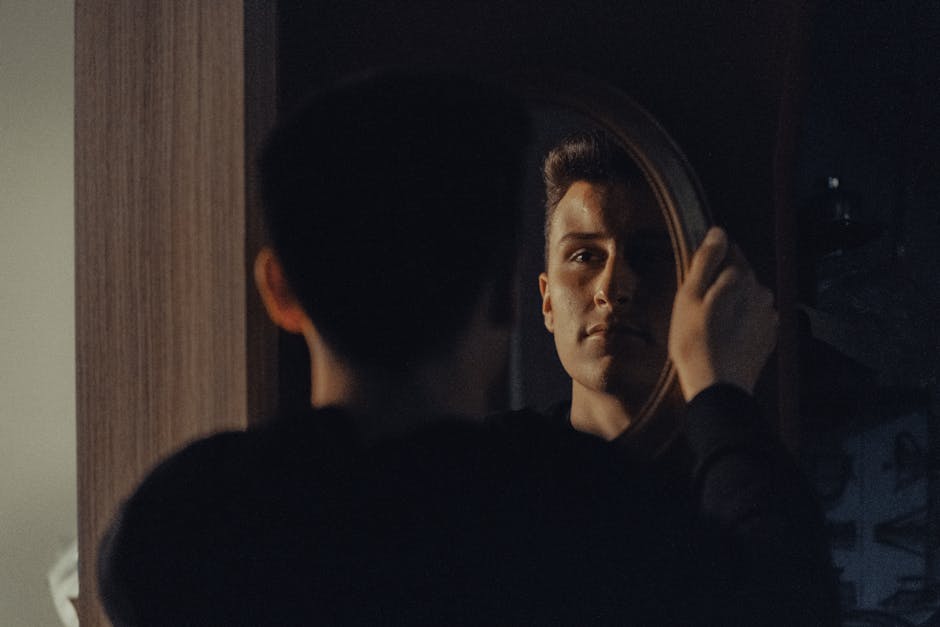
There is a particular fear that follows some men into cosmetic consultations. It is not needles. It is not the appointment. It is not even the cost. It is Monday morning. Specifically, Monday morning at work, when someone squints across the meeting table and says, “You look different.” For many men, that is the whole nightmare. Not looking older. Not looking tired. Looking like they tried. Before a man books a consultation for mens wrinkle treatment, the most pressing question is rarely about the cost or the downtime. It is about the outcome: will anyone notice?
Table of Contents
- The Real Fear Is Not Ageing. It Is Being Seen Trying.
- Why “Natural Looking” Is Not a Treatment Plan
- The Protective Consultation: Questions That Matter More Than Answers
- Men, Body Image, and the New Visibility
- What the Research Tells Us About Men’s Skin and Ageing
- The Spectrum of Options: From Prevention to Professional Care
- The Honest Answer: When “Leave It Alone” Is the Best Outcome
- Frequently Asked Questions
This article is not a product review or a treatment guide. It is a clinical exploration of the question “Will it look obvious?” It frames the cosmetic consultation as a protective, diagnostic space, not a sales pitch. The goal is to understand why the fear of being “found out” runs so deep, and how a properly structured consultation addresses that fear before any treatment pathway is even discussed.
The Real Fear Is Not Ageing. It Is Being Seen Trying.
There is a meaningful difference between wanting to look better and fearing looking “done.” For many Australian men, the primary anxiety is not the mirror. It is the audience. The workplace becomes the testing ground, the place where subtle changes are either absorbed without comment or dissected over coffee. This is the office test, and it carries weight.
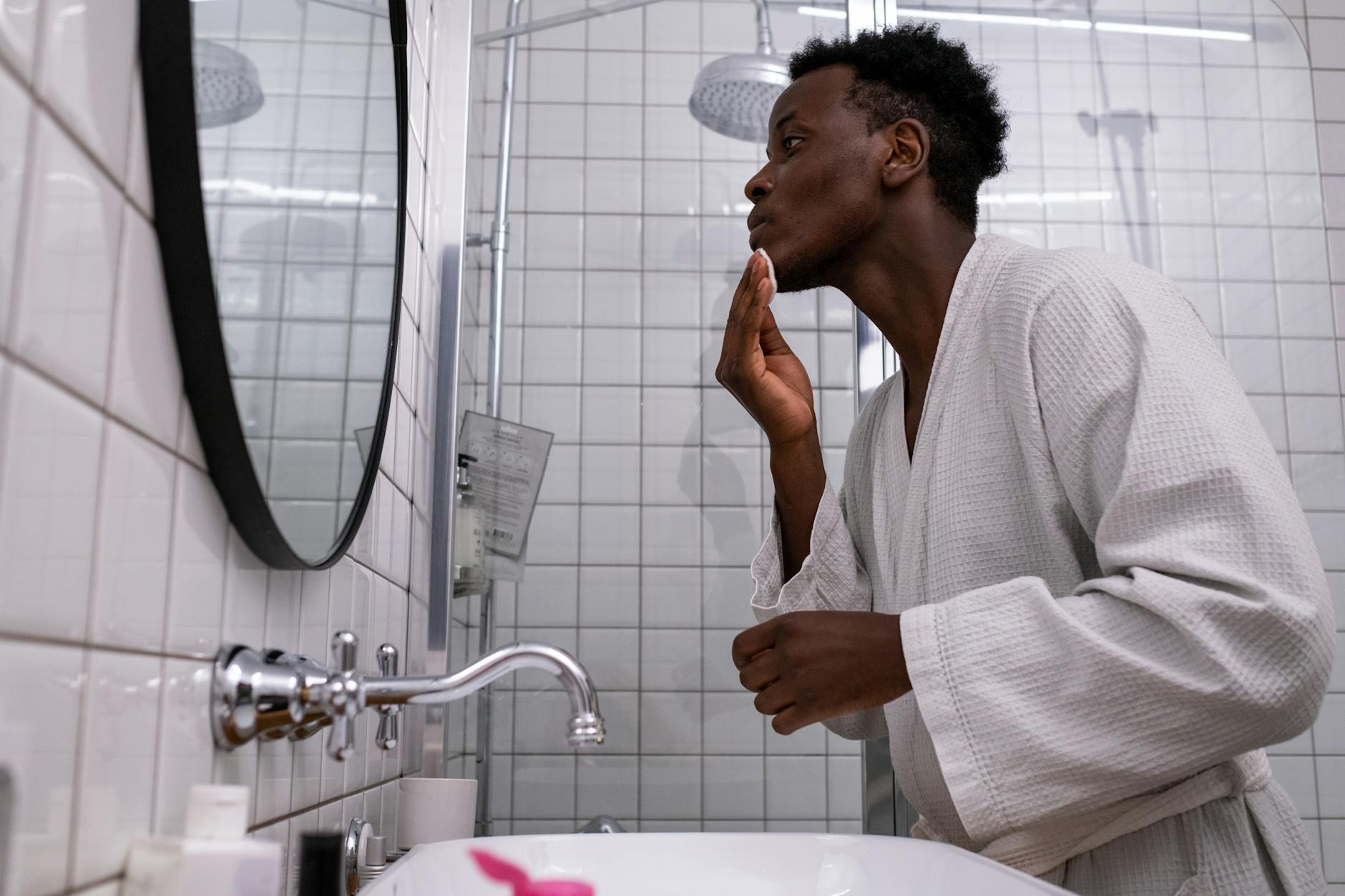
Culturally, men are still expected to appear effortless. Grooming is acceptable. Visible effort in appearance can be read as vanity, insecurity, or a midlife crisis. The stigma of trying too hard is powerful enough that some men delay or avoid even researching their options. They might spend years feeling bothered by something they see in photos or on video calls, but the social risk of being noticed feels larger than the personal benefit of addressing it.
Social media and high-definition cameras have not helped. Men are now captured in unforgiving detail during video meetings, tagged in candid photos, and exposed to a constant stream of curated faces online. The feedback loop is relentless. But the conversation about what that does to a person’s self-perception has not caught up. Many men sit with the discomfort quietly, unsure whether their concern is valid or vain, and certainly unsure whether exploring it will make things worse.
Why “Natural Looking” Is Not a Treatment Plan
Defining the Goal Beyond the Phrase
“Natural looking” is the most common phrase men use when they first approach a cosmetic consultation. It is also one of the least useful, clinically speaking. Natural is subjective. It means something different to every person who says it. A consultation must translate this vague desire into a specific, anatomical goal before any discussion of mens wrinkle treatment can be responsible.
For one person, natural might mean looking less tired in photographs. For another, it might mean no one notices anything except that they look well rested. For someone else, natural might mean doing nothing at all, because the change they originally imagined would not suit their facial structure, movement patterns, or expectations. These are entirely different outcomes, and they require entirely different conversations.

The risk of using online images as a reference point is significant. Anatomy varies. Bone structure, skin thickness, muscle activity, and ageing patterns are individual. A feature that looks balanced on one face may look out of place on another. Copying an image is rarely a useful starting point for a consultation that prioritises safety and suitability.
The Clinical Reality of Subtlety
Subtlety is not just an aesthetic preference. It is a clinical consideration. Facial movement affects how any treatment settles. Skin thickness influences how a change reads on the surface. Masculine facial structure is not one thing. Ageing patterns differ from person to person. A plan that suits one man may not suit another, even if they describe their concern using the same words.
This is why a registered practitioner must assess suitability before any treatment is discussed in detail. The consultation is not a formality. It is the mechanism that determines whether a person’s goal is realistic, safe, and appropriate for their anatomy. Without that assessment, the word “subtle” has no anchor. It floats away from clinical reality and becomes a marketing promise, which is precisely what a protective consultation should avoid.
The Protective Consultation: Questions That Matter More Than Answers
The best cosmetic consultation is not a performance of reassurance. It is not simply telling someone, “Don’t worry, no one will know.” It is a proper diagnostic process that places the person’s wellbeing ahead of any treatment outcome. This is the shift from a persuasive sales model to a protective, patient-centred model.
A responsible consultation asks questions that may never appear in an online forum or a product review. What is actually bothering you? How long has it bothered you? What are you hoping will change? What would feel like too much? What have you seen online that prompted this enquiry? What do you understand about the risks involved? Is this the right time in your life to proceed? Is treatment clinically appropriate for your anatomy and skin condition?
These questions are not obstacles. They are safeguards. They ensure that the person in the chair has thought through the decision, not just reacted to an insecurity. Sometimes the answer will be yes, treatment is suitable and the timing is right. Sometimes it will be not today. Sometimes it will be no. The most important outcome of a consultation may be clarity, not treatment. Walking away with a clear understanding of why something is or is not appropriate is a valid and valuable result.
This approach directly addresses the Monday morning fear. When a man knows his decision was measured, informed, and made with restraint, the anxiety about being “found out” diminishes. He is not hiding something. He made a considered choice after proper assessment. That distinction matters.
Men, Body Image, and the New Visibility
The Quiet Pressure of the Digital Mirror
Men are now exposed to more appearance-related content than at any point in history. Fitness culture, grooming content, dating apps, and social media have turned the face into part of the daily feedback loop. Men may talk about body image less than women, but that does not mean they are unaffected. The pressure is there. It is simply quieter.
The challenge is distinguishing between a healthy interest in looking well and an unhealthy preoccupation that distorts self-perception. A man who cannot take a video call without fixating on a particular feature may be carrying more than a cosmetic concern. He may be carrying a burden that no treatment can resolve.
The Consultation as a Safe Space for Honest Talk
A cosmetic consultation does not need to diagnose anyone from a chair. That is not the role of a registered nurse or practitioner. But it can provide a space where a man is invited to explore the “why” behind his concern without judgement. Why now? What changed? What is the actual worry underneath the request?
A practitioner who listens carefully can help a man understand whether his goal is realistic, safe, and appropriate. Sometimes that means gently explaining that the requested change would not suit his anatomy. Sometimes it means suggesting he wait. Sometimes it means saying no. The practitioner’s role is gatekeeper, not salesperson. That distinction protects the patient and preserves the integrity of the consultation.
What the Research Tells Us About Men’s Skin and Ageing
The Structural Differences
Men’s skin is structurally different from women’s. It is approximately 25 percent thicker and has a higher density of collagen. This means men often show visible signs of ageing later, but when collagen production declines, the resulting wrinkles can be deeper and more pronounced. The ageing trajectory is different, and treatment approaches must account for that.
A one-size-fits-all approach to mens wrinkle treatment is ineffective because male skin behaves differently. Thicker skin may respond differently to certain interventions. Muscle mass and movement patterns in the male face also differ, particularly around the brow and jaw. A consultation must consider these structural realities before any plan is made.
The Lifestyle Factors That Matter
Skin does not age in isolation. Shaving routines, sun exposure, stress, sleep, diet, and alcohol consumption all play a role. In Australia, the UV index is consistently high, and cumulative sun damage is a significant factor in how men’s skin ages. A man who works outdoors or spends weekends at the beach without adequate protection is exposing his skin to accelerated ageing, regardless of what products he uses at home.
A thorough consultation considers the whole picture, not just the lines on the face. It asks about lifestyle, occupation, and habits. It educates about prevention. It places any discussion of professional treatment within the broader context of skin health, not just appearance.
The Spectrum of Options: From Prevention to Professional Care
The Foundation: What You Can Do at Home
Before any professional mens wrinkle treatment is considered, the foundation must be solid. Research consistently points to three core elements of prevention: sunscreen with SPF 50 or higher, antioxidants such as vitamin C, and retinoids. These are not brand names. They are ingredient categories supported by decades of clinical evidence.
Sunscreen is the single most effective anti-ageing tool available. In the Australian climate, daily application is not optional for anyone serious about skin health. Antioxidants help neutralise free radical damage from UV exposure and pollution. Retinoids support collagen production and cell turnover. Consistency matters more than product cost. A simple routine followed every day will outperform an expensive product used sporadically.
When At-Home Care Is Not Enough
Topical products have limits. They work on the skin’s surface and upper layers. They cannot address deeper, dynamic wrinkles caused by repeated muscle movement over decades. When those lines become static, visible even when the face is at rest, at-home care may no longer be sufficient.
This is where a consultation becomes essential. A registered practitioner can assess whether professional treatment is clinically appropriate. The conversation should include what is achievable, what is not, and what the risks involve. Treatment can soften the appearance of lines. It cannot erase them. It cannot stop ageing. It cannot replicate a filtered photograph. Realistic expectations are not a disclaimer. They are the foundation of an ethical consultation.
The Honest Answer: When “Leave It Alone” Is the Best Outcome
The most valuable outcome of a cosmetic consultation is sometimes a decision not to proceed. A responsible practitioner will say no if the goal is unrealistic, if the anatomy does not support the requested change, or if the timing is wrong. That is not a rejection. It is protection.
Walking away with clarity is not a wasted appointment. Understanding why something is not suitable, or why waiting is the better option, is a form of care. It respects the person’s long-term wellbeing over a short-term transaction.
The goal of any consultation should not be to look different. It should be to feel more like yourself, with a clear understanding of what is possible, what is safe, and what is appropriate. For the man who walks in worried about Monday morning, the most reassuring outcome may be hearing the honest truth, even when that truth is “leave it alone.”
Frequently Asked Questions
How do I know if I am a good candidate for cosmetic treatment?
Only a registered practitioner can determine suitability after a face-to-face consultation. Factors include your skin condition, anatomy, medical history, and personal goals. Online quizzes and forums cannot replace a proper clinical assessment.
Will people notice if I get a subtle treatment?
The goal of a protective consultation is to ensure the outcome is appropriate for your anatomy and expectations, minimising the risk of an obvious result. A practitioner who prioritises restraint and suitability will work within your natural features, not against them.
What is the first step if I am worried about looking “done”?
Book a consultation with an AHPRA registered practitioner. Do not rely on online images, forums, or social media as your primary source of information. A proper consultation will give you clarity about what is suitable for you specifically.
Is there an age where it is too early or too late for treatment?
Suitability depends on skin condition, anatomy, and personal goals, not just chronological age. Some younger men may not be suitable candidates. Some older men may be. The consultation determines this, not a number on a page.