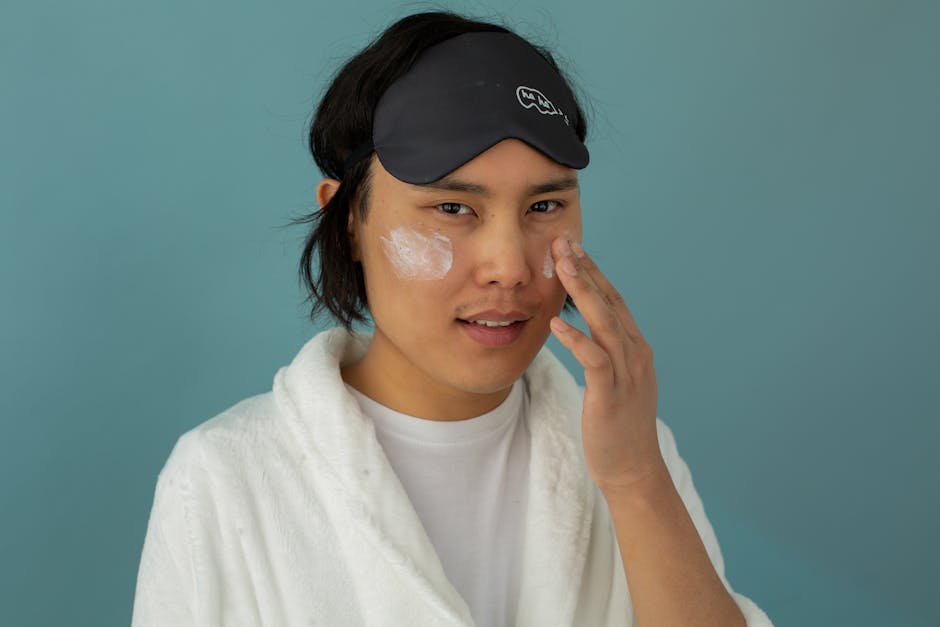
In 2026, Australian men are spending more on skincare than ever before, but most are still using the wrong products. Walk through any pharmacy or scroll through a few online retailers and you will find hundreds of creams, serums, and gadgets all promising to turn back the clock. The problem is that very few of them are backed by evidence, and even fewer are designed with male skin in mind. This Men’s Health Week, we are cutting through the noise. Whether you are a complete beginner or someone who has dabbled in mens wrinkle treatments without seeing results, this guide will give you a clear, no-nonsense roadmap. Skin health is not vanity. It is preventative maintenance, just like servicing your car or getting a dental check-up. The difference is that your face is the one asset you cannot trade in for a newer model.
Table of Contents
- Why Men’s Skin Ages Differently (And Why That Matters for Treatment)
- The “Holy Trinity” of Ingredients for Men’s Anti-Ageing
- In-Clinic Wrinkle Treatments: The High-ROI Options for Australian Men
- Lifestyle Factors That Accelerate Wrinkles (And How to Fix Them)
- Common Myths About Men’s Wrinkle Treatments (Debunked)
- Your Men’s Health Week Action Plan
Why Men’s Skin Ages Differently (And Why That Matters for Treatment)
Men’s skin is not just a tougher version of women’s skin. It is structurally different, and those differences dictate how wrinkles form and how they should be treated. The first thing to understand is thickness. Male skin is approximately 20 to 25 percent thicker than female skin across all age groups, thanks to higher collagen density and a more robust dermal layer. This is good news in your twenties and thirties because it means you will likely look younger for longer. The catch arrives around age 45 to 50, when collagen production drops off a cliff. At that point, the wrinkles that do appear tend to be deeper, more etched, and concentrated around the forehead, between the brows, and along the nasolabial folds. You cannot treat these deep-set lines the same way you would treat fine surface lines on thinner skin.

Shaving adds another layer of complexity. Every morning that you drag a razor across your face, you are performing a form of physical exfoliation. While that might sound beneficial, it actually strips away the outermost protective barrier and creates micro-abrasions that accelerate moisture loss. Over years and decades, this repeated trauma contributes to premature fine lines around the jawline, chin, and neck. Men who shave daily without replenishing hydration are effectively ageing their skin faster than necessary. On the flip side, men’s skin produces more sebum, which means it can often tolerate stronger active ingredients like retinol more readily than women’s skin. That tolerance is an advantage if you know how to use it.
Then there is the sun. Australia has one of the highest UV indexes on the planet, and Australian men over 40 are statistically less likely to wear daily sunscreen than women. This single habit gap is the primary driver of visible ageing in men. Photoageing causes a distinct pattern of deep, leathery wrinkles, uneven pigmentation, and loss of elasticity. No wrinkle treatment, no matter how advanced or expensive, can outwork daily, unprotected sun exposure. Understanding these biological realities is the first step toward choosing treatments that actually deliver.
The “Holy Trinity” of Ingredients for Men’s Anti-Ageing
If you remember only three things from this article, make them sunscreen, antioxidants, and retinol. These three ingredients form the foundation of every effective anti-ageing routine, and they are backed by decades of dermatological research. Everything else is supplementary.
Sunscreen is non-negotiable. In the Australian climate, SPF 50+ should be your daily default, applied to the face, neck, ears, and backs of the hands every single morning, regardless of whether you plan to spend the day outdoors. UVA rays, the ones responsible for collagen breakdown and wrinkle formation, penetrate glass and cloud cover. They are working on your skin while you drive to the office or sit by a window. If you invest in professional treatments like skin needling or laser, failing to wear sunscreen afterwards is like paying for a detail on your car and then driving it through mud. The investment is wasted.
Antioxidants, particularly Vitamin C and Vitamin E, are your second line of defence. They neutralise free radicals generated by UV exposure, pollution, and stress before those free radicals can damage collagen and elastin fibres. A good Vitamin C serum applied in the morning also brightens skin tone and helps fade the uneven pigmentation that many Australian men develop by their forties. Look for a lightweight, non-greasy formulation that absorbs quickly. You do not want something that sits on the skin and makes your face look shiny.
Retinol, a derivative of Vitamin A, is the gold standard for treating existing wrinkles. It works by accelerating cellular turnover and stimulating collagen production in the deeper layers of the skin. Many men avoid retinol because they have heard it causes redness, peeling, and irritation. The truth is that modern formulations are far gentler than they were a decade ago, and the key is to start slowly. Begin with a low concentration of 0.25 to 0.5 percent, applied only two or three nights per week. As your skin builds tolerance over several weeks, you can increase frequency. The results, smoother texture, reduced fine lines, and firmer skin, are worth the patience.

Beyond the holy trinity, two additional ingredients deserve mention. Peptides are short chains of amino acids that signal your skin to produce more collagen. They work well in tandem with retinol, particularly in a night moisturiser. Niacinamide, or Vitamin B3, strengthens the skin barrier, reduces redness, and helps calm the irritation that can come from shaving. If your skin tends to look inflamed or blotchy, a niacinamide serum can be a quiet game-changer.
How to Build a Simple 3-Step Routine (Morning and Night)
The skincare industry wants you to believe you need a cabinet full of products. You do not. Most men will see significant improvement with a simple, consistent routine built around the holy trinity. The goal is not to spend more time in front of the mirror. It is to spend the right time, using the right products, in the right order.
In the morning, wash your face with a gentle gel cleanser. Avoid bar soaps, which strip the skin and leave it feeling tight. Pat your face dry and apply a Vitamin C serum while the skin is still slightly damp. This helps absorption. Follow with a moisturiser that contains SPF 50+. That is three products, and the entire process should take less than two minutes. If you shave in the morning, shave before cleansing to minimise irritation, and always use a sharp blade and a hydrating shave cream.
At night, the routine shifts toward repair. If you have worn sunscreen during the day, a double cleanse is ideal. Start with an oil-based cleanser to dissolve sunscreen and grime, then follow with your gel cleanser. On nights when you use retinol, apply it to dry skin and wait a few minutes before layering a peptide-rich night moisturiser on top. Start with retinol on Monday and Thursday nights only. After two weeks, add a third night if your skin is tolerating it well. On non-retinol nights, simply cleanse and moisturise. That is it.
The no-nonsense rule is this: do not buy ten products. Buy a cleanser, a treatment serum, and a moisturiser with SPF. Master that routine for a full month before you even think about adding anything else. Consistency beats complexity every time.
In-Clinic Wrinkle Treatments: The High-ROI Options for Australian Men
For men who want faster, more dramatic results, or who are dealing with deeper wrinkles that topical products cannot fully address, in-clinic treatments offer a high return on investment. The key is choosing procedures that deliver natural-looking outcomes with minimal downtime, because most Australian men are not willing to hide away for a week while their face recovers.
Skin needling, also known as microneedling, is one of the most popular entry points. The treatment uses fine, sterile needles to create thousands of microscopic channels in the skin. This controlled micro-injury triggers the body’s wound-healing response, flooding the area with collagen and elastin. The result is a gradual thickening and smoothing of the skin over a series of sessions. Downtime is minimal, usually 24 to 48 hours of mild redness that can be likened to a moderate sunburn. For men with deep forehead lines, acne scarring, or overall skin laxity, skin needling is a proven, low-risk option.
BBL Hero, which stands for Broadband Light, is another treatment that aligns well with the Australian lifestyle. It uses intense pulsed light to target sun damage, broken capillaries, redness, and fine lines. Given how much cumulative sun exposure the average Australian man accumulates by middle age, BBL can produce a noticeable reset in skin tone and texture. The treatment is relatively quick, often described as feeling like a rubber band snapping against the skin, and most patients return to normal activities the same day. A series of three to four treatments spaced a month apart typically yields the best results.
Anti-wrinkle injections, commonly referred to as muscle relaxants, remain the most effective treatment for dynamic wrinkles. These are the lines that form from repeated facial expressions, such as frown lines between the brows, horizontal forehead lines, and crow’s feet around the eyes. The goal in 2026 is not a frozen, expressionless face. Skilled injectors now use micro-dosing techniques that soften movement while preserving natural expression. The key is finding a practitioner who understands male facial anatomy, because men’s stronger facial muscles often require a different dosing approach than women’s.
Stem cell therapy, using platelet-rich plasma or exosomes, represents the emerging frontier of regenerative aesthetics. The concept involves harvesting growth factors from your own blood or, in more advanced protocols, banking your own stem cells for future use. Some clinics now offer stem cell banking for up to 30 years, allowing men to preserve younger cells for use in anti-ageing treatments later in life. While the science is promising, it is important to approach these treatments with realistic expectations. They are not a one-and-done miracle, but for the right candidate, they can support long-term skin quality in a way that topical products cannot match.
For the man who wants maximum results with minimal fuss, in-clinic treatments like skin needling and BBL offer a set-and-forget approach to ageing well. You invest a few sessions up front, maintain the results with a simple home routine, and get on with your life.
What to Ask During a Consultation (A Checklist for Men)
Walking into a clinic for the first time can feel intimidating. Having a short list of direct questions will help you gauge the quality of the practitioner and the suitability of the treatment for your specific concerns.
First, ask how many treatments you will realistically need to see a noticeable difference. A trustworthy clinician will give you a range, not a vague promise. Second, ask about expected downtime and whether you can return to work the same day. This is a practical concern that matters to busy men. Third, confirm that the clinic uses genuine, TGA-approved products and devices. The Australian therapeutic goods regulatory framework exists to protect you, and any reputable clinic will be transparent about their sourcing. Finally, ask to see before-and-after photos of male patients with similar skin concerns to yours. Men’s results look different from women’s results, and you want to see evidence that the practitioner understands those differences.
Lifestyle Factors That Accelerate Wrinkles (And How to Fix Them)
You can spend thousands on creams and lasers, but if you are not sleeping, smoking, or skipping water, you are fighting a losing battle. The lifestyle factors that accelerate skin ageing are well documented, and Men’s Health Week is the ideal time to take an honest look at them.
Sleep is the body’s primary repair window. During deep sleep, growth hormone is released, which stimulates cell turnover and collagen production. Chronic poor sleep elevates cortisol, a stress hormone that actively breaks down collagen and elastin fibres. Over time, this leads to thinner, less resilient skin that wrinkles more easily. Prioritising seven to eight hours of quality sleep is one of the most cost-effective anti-ageing strategies available.
Diet plays an equally important role. High-sugar diets cause a process called glycation, where excess sugar molecules bind to collagen and elastin fibres, making them stiff and brittle. This accelerates sagging and deep wrinkle formation. Simple swaps, water instead of soft drink, whole foods instead of processed snacks, can have a visible impact on skin clarity and firmness within a few months. Hydration is the other piece of the puzzle. Dehydrated skin looks dull, feels rough, and shows fine lines more prominently. Aim for consistent water intake throughout the day rather than trying to compensate with a litre at bedtime.
Smoking and heavy alcohol consumption are two of the most aggressive accelerators of skin ageing. Smoking reduces blood flow to the skin, depriving it of oxygen and nutrients, while the repetitive pursing motion around the mouth creates deep vertical lip lines. Alcohol is a diuretic that dehydrates the entire body, including the skin, and chronic consumption impairs the liver’s ability to process toxins, which shows up as dull, sallow skin. Framing this as a return on investment argument is useful. If you are paying for professional treatments and quality skincare, continuing to smoke or drink heavily is actively undoing the work you have paid for.
Common Myths About Men’s Wrinkle Treatments (Debunked)
Myth number one is that skincare is unmanly. This is a tired trope that belongs in the past. Taking care of your skin is preventative health, no different from going to the gym to maintain muscle mass or seeing a dentist to keep your teeth. Your skin is an organ, the largest one you have, and it deserves the same attention as the rest of your body.
Myth number two is that retinol will burn your skin. This fear is based on outdated formulations and improper use. Modern retinol products are formulated with soothing agents and time-release technology that minimises irritation. Starting with a low concentration and using it only a few nights a week allows your skin to adapt without discomfort. Redness and peeling are not signs that the product is working. They are signs you are using too much or too often.
Myth number three is that anti-wrinkle injections look fake. The frozen, startled look that people fear is the result of poor technique or over-treatment, not the injectable itself. When performed by an experienced clinician who understands male facial anatomy and respects your goal of looking like yourself, just refreshed, the results are subtle and natural. Most people will not know you have had anything done. They will simply notice that you look well-rested.
Myth number four is that you do not need SPF because you do not burn. Sun damage is cumulative and often invisible for decades. Even if you tan easily, UVA rays are penetrating deep into the dermis and breaking down collagen every single day. A tan is evidence of skin damage, not protection. Australian men, in particular, cannot afford to be complacent about sun protection.
Your Men’s Health Week Action Plan
Men’s Health Week 2026 is the perfect excuse to stop ignoring your skin. The best time to start was ten years ago. The second-best time is today. Here is a four-week action plan to take you from zero to a sustainable, effective routine.
In week one, book a skin consultation at Core Aesthetics for a baseline assessment. A professional evaluation will identify your specific concerns, whether that is sun damage, deep wrinkles, volume loss, or uneven texture, and give you a clear treatment roadmap. Guessing is expensive. A consultation removes the guesswork.
In week two, purchase a simple three-step routine. You need a gentle gel cleanser, a Vitamin C serum for morning use, and a moisturiser with SPF 50+. Do not overcomplicate this step. Three products, used every day, will outperform a shelf full of products used inconsistently.
In week three, introduce retinol into your nighttime routine. Start with two nights per week, applied after cleansing and before moisturiser. Pay attention to how your skin responds. Some mild flaking is normal in the first two weeks. If you experience stinging or persistent redness, scale back to once per week and build up more slowly.
In week four, evaluate your results. By this point, you should notice improved skin texture, a more even tone, and a reduction in fine surface lines. If you have deeper wrinkles or sun damage that topical products cannot fully address, this is the time to consider an in-clinic treatment like skin needling or BBL. The home routine will support and extend the results of any professional procedure you choose.
Start with one change today. It could be buying a proper SPF moisturiser, booking that consultation, or finally figuring out what retinol actually does. Men’s Health Week is a reminder that your health is holistic. Your skin is part of the picture, and it is never too late to give it the care it deserves.