A cheek concern often sits where one feature meets another. Map the transition toward the under eye, nose, temple or lower facial fold, then describe when it appears and what should remain familiar. Corey Anderson RN compares that observation with structure, skin, movement, health history and previous care before explaining suitable options, material risks and the next practical step.
Look At The Border Between Features
A cheek concern is often noticed at a transition rather than in the centre of the cheek itself. Point to where one region meets another: beneath the eye, beside the nose, toward the temple or lower toward a facial fold.
Corey Anderson RN uses that boundary as the starting point, then assesses the connected midface. Core Aesthetics is in Oakleigh, not Toorak, and this guide helps Toorak adults prepare for an individual consultation.
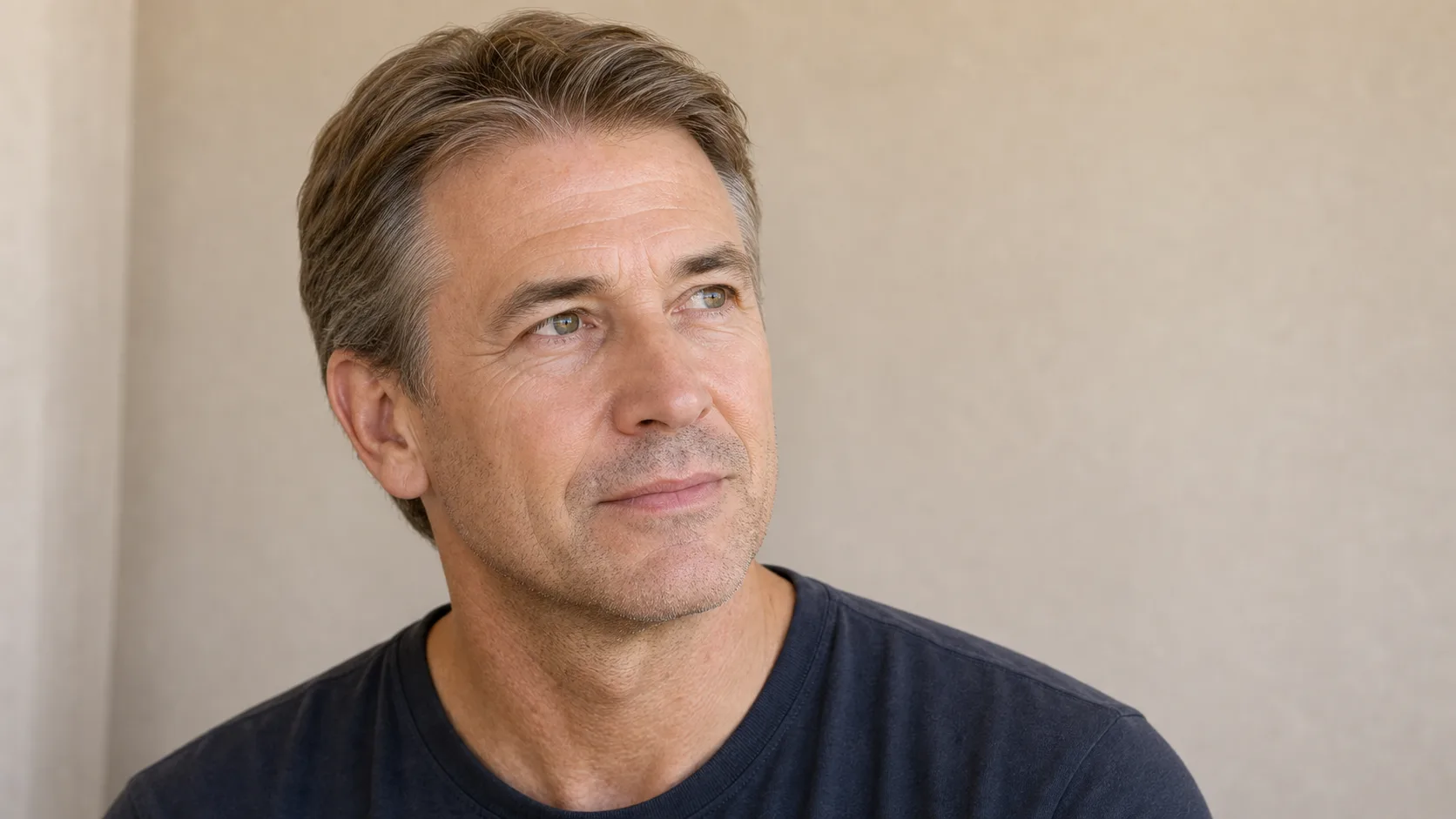
Use Four Transitions To Describe The Concern
Each transition raises a different assessment question.
| Transition | What you may notice | What Corey considers |
|---|---|---|
| Cheek to under eye | Shadow, hollow or an abrupt junction | Cheek support, under eye anatomy, skin and light |
| Cheek to nose | Central flattening or a change beside the nose | Central midface support and surrounding proportions |
| Cheek to temple | A change across the outer face | Lateral contour, temple context and facial width |
| Cheek to lower fold | A line or shadow toward the mouth | Midface support, movement, skin and lower facial context |

What Does The Under Eye Transition Need?
The cheek and under eye are visually connected, but they are not interchangeable treatment areas. A shadow can reflect structure, skin, lighting, fatigue or several factors together. Tell Corey whether it is fixed, variable, present on one side or stronger in photographs.
The assessment includes the junction and its surroundings. It does not assume that changing the cheek answers every under eye concern.
What Does The Central Transition Show?
The area beside the nose can change how the middle of the face reads. Describe whether the observation is a contour, a shadow, a fold during movement or a change following weight, health, dental or previous cosmetic care.
Corey compares the central midface at rest and in expression, then relates it to cheek projection, skin and overall proportion.
Why Include The Temple Side?
The outer cheek and temple contribute to the width and flow of the upper face. A person focused on the cheek may actually be responding to an abrupt lateral transition or a difference between sides.
Corey reviews the region without treating the whole side of the face as one request. Name which contours already feel balanced and should remain familiar.

How Can Movement Change A Transition?
Compare the four boundaries at rest and during ordinary expression.
| Moment | Observation | Useful question |
|---|---|---|
| Neutral rest | Where does the shadow or contour begin? | Is the transition stable? |
| Gentle smile | Which junction lifts, deepens or smooths? | How much is expression contributing? |
| Speaking | Does the lower transition change? | Which movement should remain familiar? |
| Head turn | Does the outer contour read differently? | Is the concern view dependent? |
What Should Stay Outside The Request?
A precise consultation brief identifies exclusions. You might want the under eye left alone, wish to preserve a natural cheek edge, prefer not to alter temple contour or regard a lower fold as part of normal expression.
These limits help Corey understand the smallest useful question. They sit alongside clinical anatomy, material risks and realistic options.
How Does Corey Join The Map Together?
Corey assesses cheek structure, central and lateral midface, under eye junction, temple context, skin quality, movement, symmetry and previous care. Front, profile and angled views reveal different relationships across the map.
Your health history, medicines, allergies, pregnancy or breastfeeding status, prior reactions, event timing and review access also inform suitability and consent.
Which Evidence Explains A Transition?
Choose evidence according to the boundary you want Corey to understand. An ordinary photograph may show how the under eye junction changes with light; a short note may explain when a lower fold appears in speech; dates and records may clarify a contour following earlier care.
Add medicines, supplements and relevant health history because the transition map must sit inside a clinical history. Evidence should answer “where, when and under what conditions?” rather than direct a predetermined result.
Can The Transition Map Support Follow Up?
Consider whether you can return to the Oakleigh clinic so the same boundary can be reviewed under consistent conditions. A follow up is easier to interpret when the original location, viewing angle and concern have been documented clearly.
Check travel from your real starting point and contact the clinic if scheduling, communication, mobility or support arrangements need attention. Review continuity is practical context, not a substitute for clinical suitability.
Which Guide Matches The Transition?
Read the cheek volume consultation guide for the broader process, under eye and cheek comparison for the upper junction, facial fat pads explained for structure, and midface change for anatomy over time.
Use suitability assessment, patient safety, planning your visit and booking for next steps.
How Are Risk And Consent Discussed?
A personal discussion may include bruising, swelling, tenderness, asymmetry, infection, lumps, dissatisfaction, inflammatory reactions and uncommon vascular complications. Corey explains relevant warning signs, alternatives, aftercare and review arrangements for any option considered.
Suitable care can be planned when individual assessment and informed consent support it. More information, adjusted timing, another clinical review or a different pathway can be incorporated when useful.
Toorak Cheek Transition Questions
What are the four cheek transitions?
They are the cheek to under eye, cheek to nose, cheek to temple and cheek to lower fold transitions. Each boundary raises different questions about structure, skin, movement and surrounding proportions.
Why might an under eye shadow be a transition question?
The cheek and under eye junction can reflect structure, skin, lighting and fatigue. Corey assesses the boundary and surrounding anatomy rather than assuming every shadow has the same explanation.
What should I notice beside the nose?
Describe whether the central change is a contour, shadow or fold during movement, and whether it followed weight, health, dental or previous cosmetic care. Dates and context are more useful than a self-diagnosis.
Why does the temple side matter in a cheek consultation?
The outer cheek and temple affect upper facial width and contour flow. Assessing both can reveal whether the concern is centred in the cheek or at the transition toward the side of the face.
How should I describe changes with expression?
Compare neutral rest, a gentle smile, speaking and a natural head turn. Note which junction changes and which movement or facial character you want to preserve.
Can I exclude areas from my consultation request?
Yes. State which areas already feel balanced or should remain familiar. A precise exclusion list helps Corey understand the smallest useful question alongside anatomy, risks and realistic limits.
Can suitable care be planned during consultation?
Suitable care can be planned when individual assessment and informed consent support it. More information, adjusted timing, another clinical review or a different pathway can be incorporated when useful.
Is Core Aesthetics located in Toorak?
No. Core Aesthetics is in Oakleigh. Check the journey from your actual starting point and whether returning for planned review is practical. This local guide does not imply a Toorak clinic.
Is this for you?
Consider booking a consultation if
- Adults near Toorak wanting cheek and midface assessment before treatment discussion
- Patients who want consultation first explanation of cheek support, skin quality, risk and consent
- People comfortable discussing suitable options, practical timing, review needs and any other clinical input
- Patients who want to verify Corey Anderson RN and the Oakleigh clinic before booking
This may not be for you if
- People asking for a predetermined plan without assessment, consent or risk discussion
- People with urgent medical symptoms, active infection, acute swelling or rapidly changing facial symptoms
- People wanting a fixed cosmetic change before facial structure and skin quality are assessed
- People seeking elective cosmetic care for someone who cannot provide informed consent
Suitability is confirmed at consultation. This list is general guidance, not a substitute for clinical assessment.