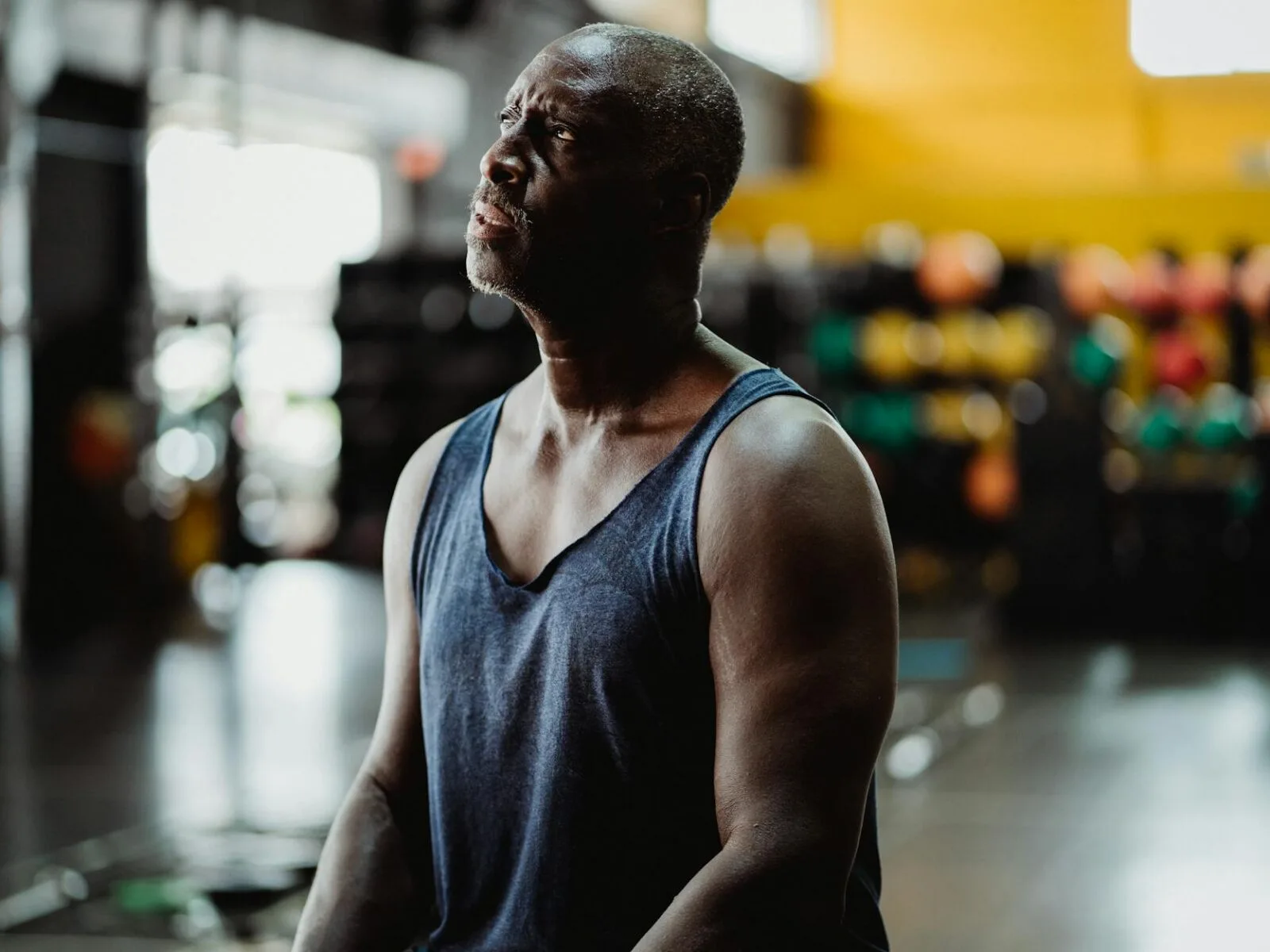
Gym training pressure deserves attention when exercise stops supporting life and starts controlling food, sleep, injury decisions, relationships or self worth. Consistency alone does not prove that the pattern is healthy.
The early signs are often ordinary: training through pain, panic about a missed session, social plans organised around workouts, or rules that become harder to question.
Assess a full training week rather than one workout or mirror check. Include rest, injuries, missed plans, food rules, mood and what happens when a session cannot go ahead.
Direct Answer
Gym training pressure may be running your life when missed sessions cause panic, injuries are ignored, food becomes rigid, social plans disappear or self worth depends on the mirror. Test the pattern with one recovery change and seek qualified help early if pain, disordered eating or distress is involved.
Table of Contents
- How Gym Training Pressure Hides Inside Discipline
- Check Injury, Food, Sleep And Social Tradeoffs
- Test The Pattern With One Recovery Change
- Match The Concern To Qualified Support
- Let Training Add To Life
How Gym Training Pressure Hides Inside Discipline
Gym training pressure can hide inside praise. Progress photos, discipline and attendance may look admirable from outside while the person is becoming more anxious, injured or isolated.
Avoid diagnosing yourself from a checklist. Instead, compare the current routine with six months ago and ask whether training has become less flexible, more secretive or more closely tied to feeling acceptable.
Check Injury, Food, Sleep And Social Tradeoffs
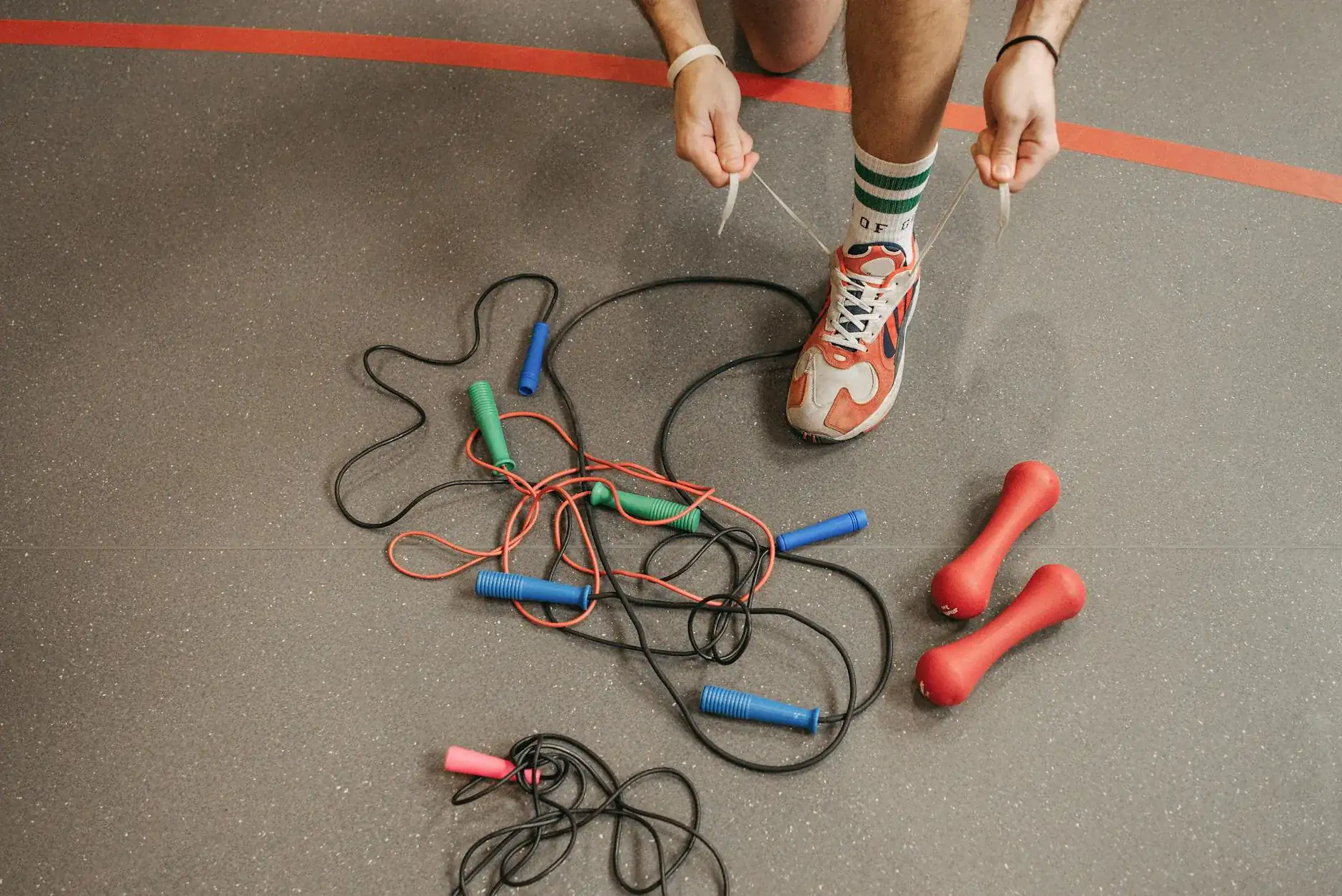
Look at what happens when the plan changes. Distress after a rest day, compensating for food, repeated body checking, worsening injury or losing interest in anything outside training are useful warning signs.
Pain that changes movement, repeated sleep loss, rigid food rules and withdrawing from people are different problems, even when they appear together. Write each one separately so the right professional can assess it.
Test The Pattern With One Recovery Change
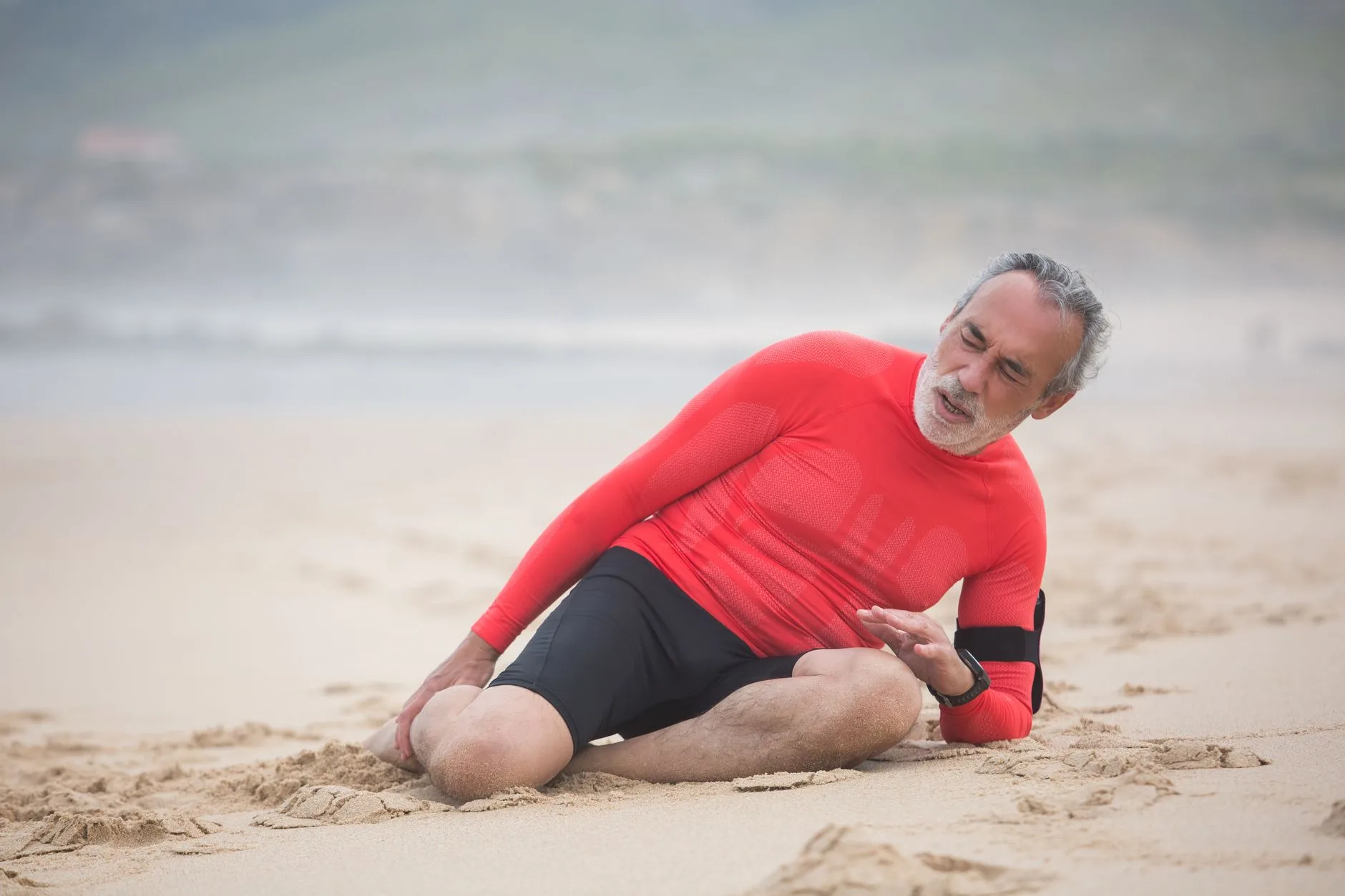
Make one measurable adjustment, such as a genuine rest day, a reduced load week or an injury review. Notice whether the adjustment feels proportionate or triggers fear that is hard to manage alone.
Do not use a deload as another test of toughness. The point is to observe whether recovery improves pain and energy, and whether the idea of doing less creates distress that deserves support.
Match The Concern To Qualified Support
A GP, physiotherapist, psychologist, accredited sports dietitian or eating disorder service may be appropriate when pain, restrictive eating, compensatory exercise, low mood or body image distress is involved.
A coach can help with programming, but injury, disordered eating and mental health may need clinicians with different training. Asking the first professional for a referral can make the path clearer.
Let Training Add To Life
Training can remain important without being allowed to run the whole week. A strong plan includes recovery, relationships, flexible food and room for the body to change.
Appearance goals should remain voluntary and realistic. If the mirror is determining mood or social life, pause any cosmetic decision and address the pressure first.
FAQ
How can I tell discipline from unhealthy gym training pressure?
Healthy discipline can usually adapt to illness, injury, rest and the rest of life. Pressure becomes concerning when the plan feels compulsory, distress rises after a missed session, or food, sleep, relationships and self worth keep bending around training.
Who should I speak with about excessive exercise or food rules?
A GP can help coordinate care. Depending on the concern, a physiotherapist, psychologist, accredited sports dietitian or eating disorder service may also be appropriate. A coach alone may not cover clinical injury or mental health needs.
Should I postpone cosmetic decisions if body image feels intense?
Yes, pausing is reasonable. When appearance checking or distress is driving the decision, address that pressure with an appropriate professional before making an elective cosmetic choice.
Source And Further Reading
For evidence informed guidance on body image, eating behaviour and early support in sport, see Australian Institute of Sport resources on disordered eating in sport
For plain language health information about warning patterns and help seeking, read healthdirect guidance on eating disorders and body image
A rest day that causes panic can reveal more than another personal best. The next step may be a coach, physiotherapist, sports dietitian, GP or mental health clinician, depending on the pattern.
This is general information about training pressure. Fainting, chest pain, severe breathlessness, acute injury, unsafe restriction or thoughts of self harm need prompt qualified assessment or emergency help.