For a lip volume consultation near Noble Park, observe four mouth-corner moments: comfortable rest, the beginning of a natural smile, the full familiar smile, and the return to rest. Notice timing, direction, height, side differences and how the corners relate to the central lips, cheeks and chin without trying to make both sides identical. Corey Anderson RN combines this map with direct assessment of lip height, border, projection, tissue, teeth and lower face relationships, health, medicines, dental context, previous care, risks and the features you want to preserve. Suitable care can be planned when individual assessment and informed consent support it.
Why Map Mouth Corners Through A Smile?
The mouth corners link the central lips with cheek, chin and lower face expression. Their movement can begin, travel and settle differently on each side.
The map describes familiar expression without treating natural asymmetry as a defect or deciding that the corners need a particular position.
What Belongs In The Four Moment Corner Map?
| Moment | What to observe | Connected context |
|---|---|---|
| Comfortable rest | Corner position and central lip relationship | Chin, jaw and natural side differences |
| Smile onset | Which corner begins and in what direction | Early cheek and lip movement |
| Full natural smile | Height, width, tooth show and stretch | Cheeks, lower eyelids and central lips |
| Return to rest | How each corner settles | Comfort, contact and lower face movement |
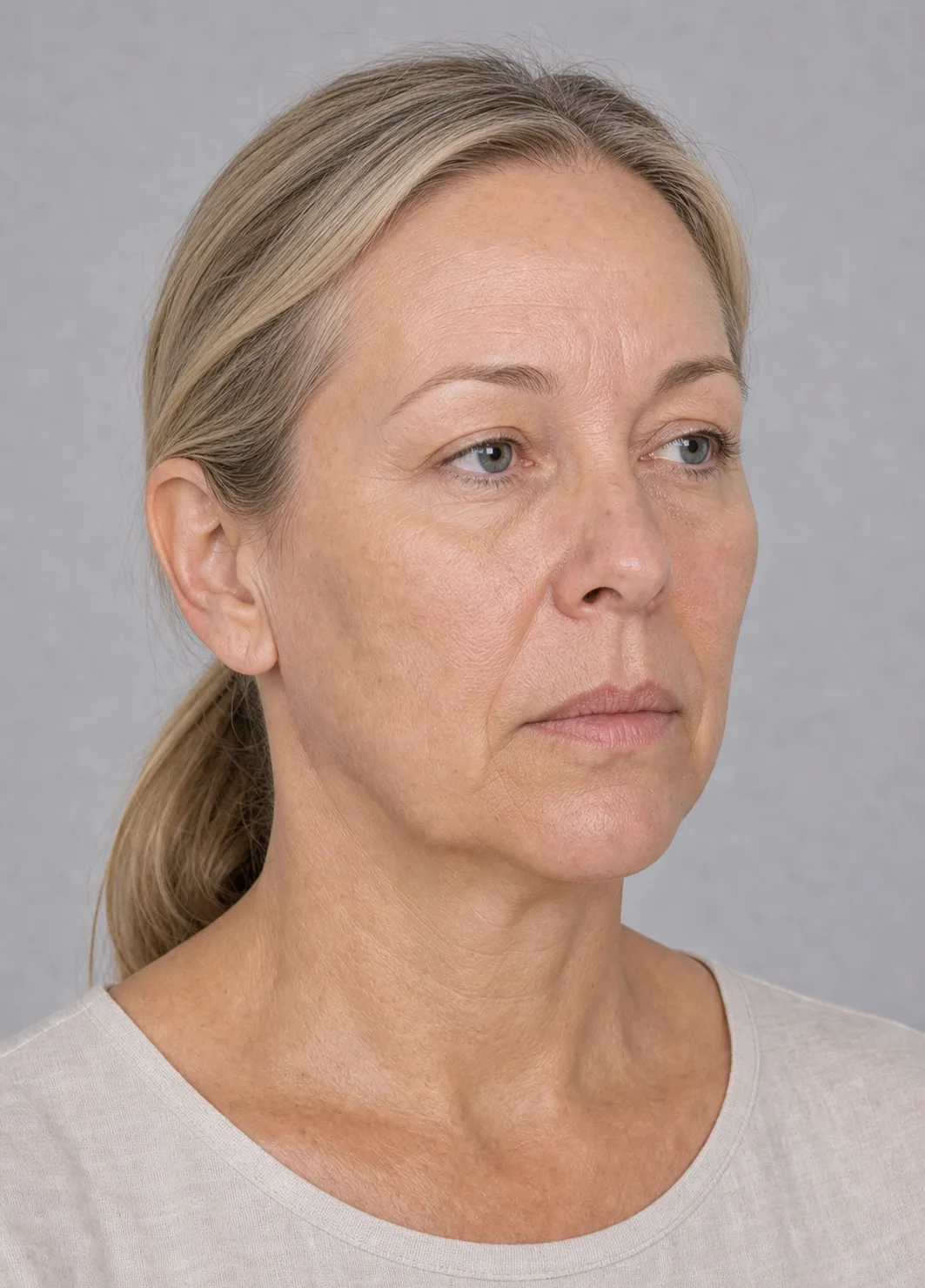
What Does Comfortable Rest Show?
Let the jaw and lips settle naturally. Notice the corner position, central lip shape and whether the lips meet lightly or remain slightly apart.
Do not press, stretch or pull the corners. Corey observes the resting relationship directly with chin and dental context where relevant.
How Should Smile Onset Be Observed?
Begin one natural smile and notice which corner starts first and whether it travels outward, upward or through a mixed direction. Early cheek and central lip movement may join.
The aim is not to slow the smile into a performance. A familiar expression gives the most useful context.
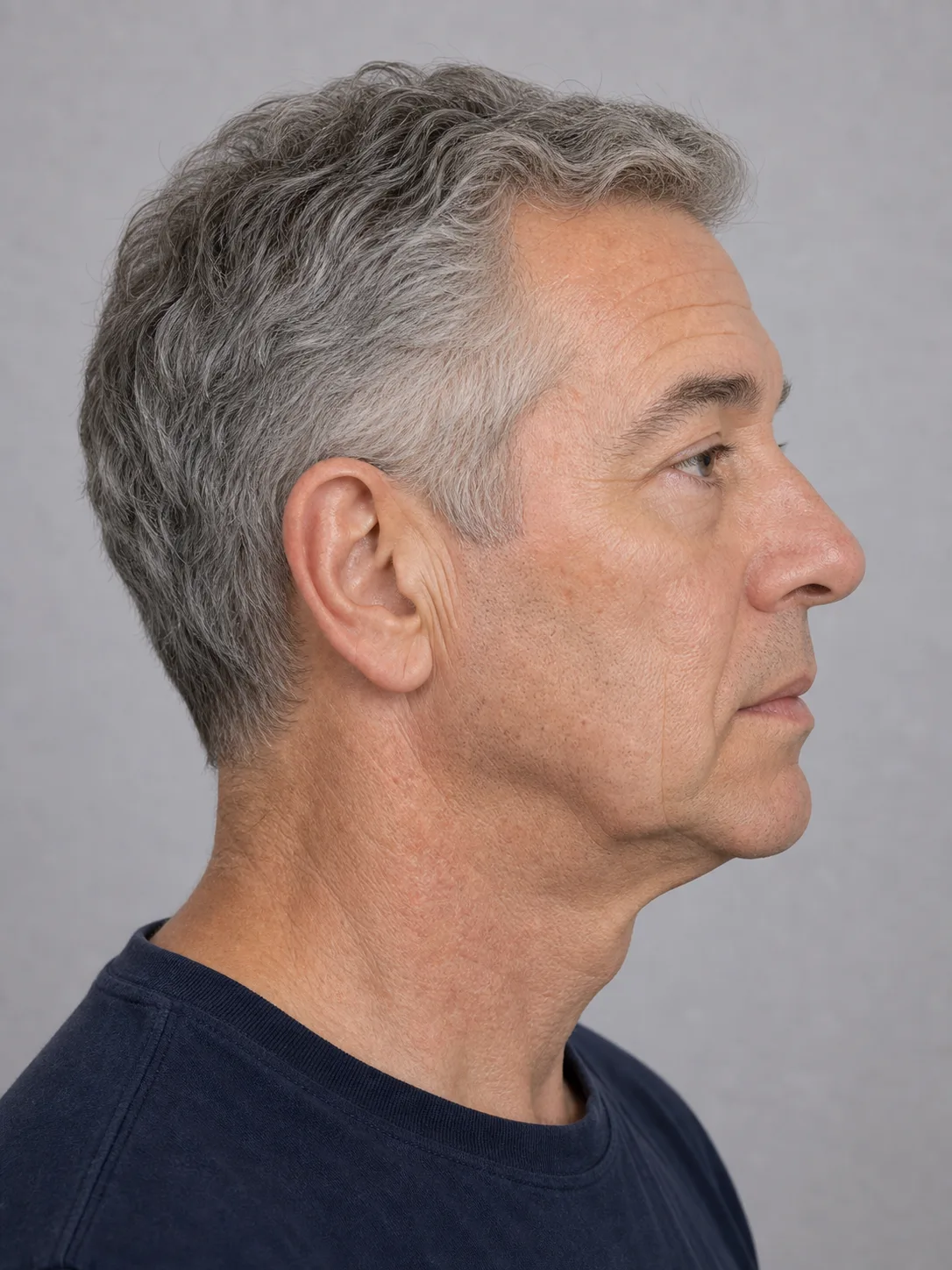
What Does The Full Natural Smile Add?
At full familiar expression, observe mouth width, corner height, central lip stretch, tooth show and cheek movement. These connected changes can alter the apparent lip outline.
Corey considers which movement feels recognisable and should remain part of the planning discussion.
Why Is Return To Rest Important?
After smiling, notice how each corner settles and how the central lips regain their familiar posture. Chin or surrounding mouth activity may also appear during the transition.
This is an observation rather than a test of strength, function or symmetry.
How Are Natural Side Differences Discussed?
One corner may begin sooner, travel farther or settle differently. Natural asymmetry is common in lips, cheeks, chin and facial expression.
Corey records the pattern without promising identical sides or treating a familiar difference as something that must change.
What History Changes A Mouth Corner Assessment?
Bring current medicines, allergies, relevant health history, dental changes, cold sore history, skin symptoms, previous lip care and approximate dates. Mention pregnancy or breastfeeding when relevant to planning.
New weakness, numbness, facial droop, marked swelling, significant pain or another sudden change needs prompt appropriate health assessment.
How Are Lip Risks And Limits Discussed?
Depending on the suitable option, discussion may include redness, tenderness, swelling, bruising, asymmetry, lumps, infection, cold sore flare, delayed inflammatory response, dissatisfaction and uncommon urgent vascular warning signs.
Corey explains alternatives, likely limits, total cost, aftercare, follow up and when to contact the clinic. A corner map cannot predict an individual response.
Where Should You Go If The Corners Are Not The Main Question?
Use the lip consultation guide for the wider process, the lip assessment guide for a structured clinical overview, or lip shaping assessment when central shape and borders lead.
The Melbourne lip guide, facial expression guide and suitability guide answer connected questions.
What Is The Boundary Of This Corner Guide?
What is a mouth corner movement map?
It follows corner position at rest, the beginning of a natural smile, full expression and return to rest while including central lips, cheeks and chin.
Should both mouth corners start smiling together?
Not necessarily. Natural timing and direction differences are common. Corey observes both sides without assuming that exact synchrony is necessary or achievable. The full smile and return to rest provide additional context for each side.
Why assess the corners with the central lips?
The corners complete the lip line and influence how central height, stretch and border visibility are perceived during expression. Connected assessment avoids isolating one small feature.
What does return to rest show?
Return shows how each corner and the central lips regain their familiar posture after smiling. It may also reveal chin or surrounding mouth activity relevant to assessment.
Can dental work change mouth corner movement?
Dental work, tooth position, jaw relationships or discomfort may affect lip posture and movement. Bring relevant details and use an appropriate dental pathway for dental concerns.
What should I bring after previous lip care?
Bring approximate dates, available records and what you noticed over time, including swelling, lumps, asymmetry, discomfort or other concerns. Product and practitioner details are useful when known.
Can suitable care be planned during consultation?
Yes. Suitable care can be planned when individual assessment and informed consent support it. More information, adjusted timing, clinical review or another pathway can be incorporated when useful.
Is Core Aesthetics located in Noble Park?
No. The clinic is in Oakleigh. Check the trip from your actual starting point and make sure returning for review would be practical before choosing an appointment time.
Is this for you?
Consider booking a consultation if
- Adults near Noble Park wanting lip proportion and movement assessment before option discussion
- Patients who want consultation-first explanation of shape, volume, tissue behaviour, risk and consent
- People open to exploring lip shape, movement and proportion, suitable options, timing and review needs
- Patients who want to verify Corey Anderson RN and the Oakleigh clinic before booking
This may not be for you if
- People asking for a predetermined plan without assessment, consent or risk discussion
- People with urgent medical symptoms, active infection, acute swelling or rapidly changing lip symptoms
- People wanting a fixed cosmetic change before proportion, movement and tissue behaviour are assessed
- People seeking elective cosmetic care for someone who cannot provide informed consent
Suitability is confirmed at consultation. This list is general guidance, not a substitute for clinical assessment.