Sometimes you catch your reflection and something simply does not sit right after previous treatment. Perhaps an area feels heavier than you expected, looks a little uneven, or seems to have settled somewhere other than where it was placed. Perhaps it just does not feel like you anymore.
What Is A Dissolving Consultation?
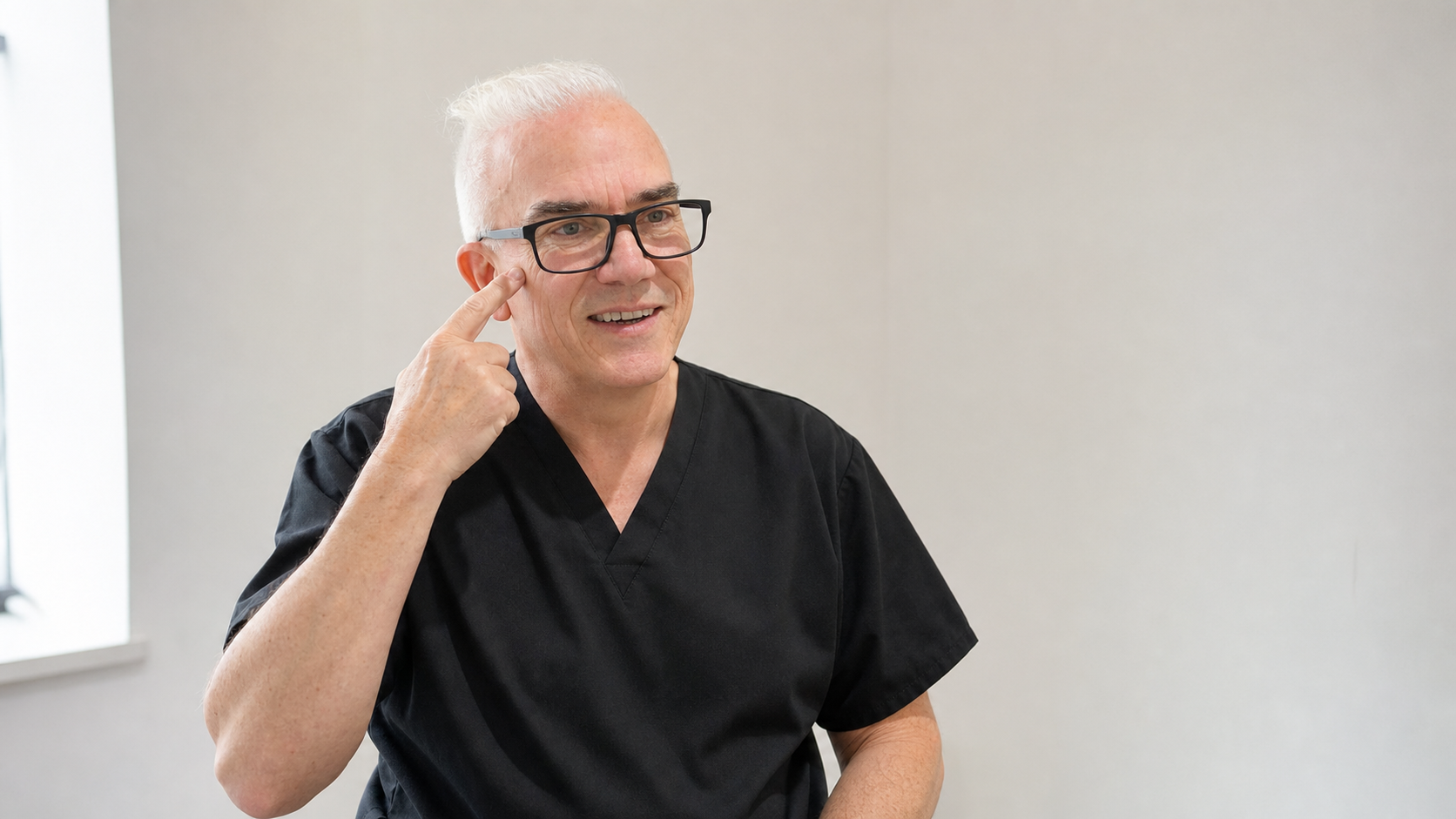
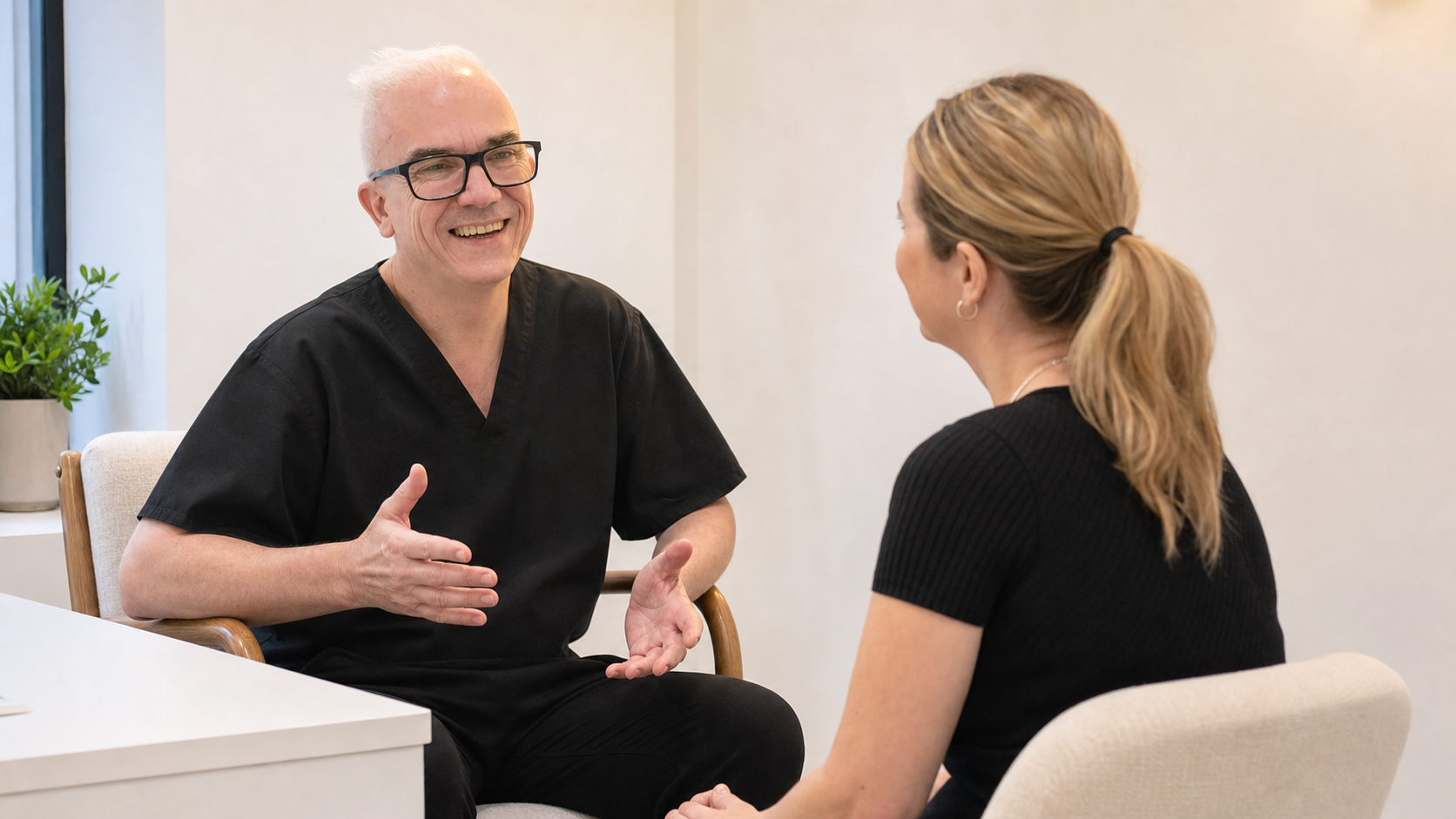
A dissolving consultation is a dedicated assessment with Corey Anderson, Registered Nurse (AHPRA NMW0001047575). During the appointment he will listen to what is concerning you, examine the area, and review what you know about your previous treatment, including what was used and when, where this is available. From there, the discussion turns to whether a dissolving pathway is even possible for your situation, whether it is appropriate, and what the realistic considerations would be.
This matters because dissolving is not a single, universal solution. Whether it can be considered at all depends heavily on the type of product previously used, your individual circumstances and your health history. None of that can be judged from a photo or a phone call. It needs an in person assessment, which is exactly what this consultation provides.
What Is A Dissolving Consultation Not?
It is just as useful to be clear about what this appointment is not.
- It is not a claim that anything will be dissolved. That can only be considered where it is clinically appropriate following assessment.
- It is not suitable for every type of previous treatment, because not all products can be approached the same way.
- It is not a quick answer or a certain reset. Outcomes vary between individuals.
- It is not the right step if something feels physically wrong. If you have severe or worsening pain, any change to your vision, skin that turns pale or dusky, spreading redness, swelling or a fever, treat it as urgent. Contact your treating practitioner immediately, seek urgent medical care, or call 000.
Why Might Someone Consider A Dissolving Pathway?
People arrive at this question for a range of reasons, and for some of them a dissolving pathway may be worth discussing. It is sometimes considered where previous previous treatment feels like too much, appears uneven, or seems to have moved from where it was originally placed. For some people, the appeal is the chance to reset an area they are unhappy with before deciding whether to start again with a more considered plan.
The honest framing here is that dissolving may help in certain situations, not that it will. Whether it is appropriate, and what it might involve, is precisely what the assessment is designed to work out. The aim is to give you accurate information about your own situation rather than a general claim.
When Might Leaving It Alone Be Better?
Dissolving is never the only option, and waiting is a entirely legitimate choice that deserves equal weight. Many previous treatments reduce gradually on their own over time, which means the concern you have today may soften without any further procedure at all. Choosing to wait also avoids adding another treatment, with its own considerations and risks, on top of the first.
It is also worth remembering that an area can take time to settle, particularly if your previous treatment was relatively recent. What you are seeing now may not be the final picture. For many people, the most sensible first move is simply to give things time and review, rather than acting on a concern that may resolve on its own. Doing nothing, for now, is a real and often wise option.
How Should Dissolving And Starting Again Be Weighed?
For some people the question is not just whether to dissolve, but whether to dissolve and then begin again with a fresh plan. There are points worth holding on both sides.
On one hand, a reset can allow a more considered approach the second time around, planned carefully from a settled starting point. On the other hand, dissolving is an additional medical procedure with its own risks and considerations. It may affect an area more broadly rather than selectively, its results vary between individuals, it does not always achieve a complete change, and it sometimes needs more than one session.
There is also the cost, the time involved and the emotional side of going through another procedure to consider. If starting again is something you are weighing up, it is generally wise to allow the area to settle fully first rather than moving too quickly from one step straight into the next.
What Other Strategies Can Reduce Uncertainty?
Dissolving everything immediately is rarely the only path, and a good assessment will explore the alternatives with you. Depending on your situation, the options discussed might include waiting for natural reduction over time, a more targeted approach rather than addressing an entire area, or simply allowing things to settle and reviewing again before any decision. In some cases, balance can be considered through other means, but only where it is clinically appropriate and suitable for you.
The thread running through all of this is that there is usually more than one way forward, and the right one depends entirely on your individual circumstances. The value of the consultation is that it puts those options on the table clearly, so you can make an informed choice rather than a hurried one.
When Might A Dissolving Pathway Not Be Appropriate?
There are circumstances in which a dissolving pathway would not be recommended. This can be the case with certain types of previous product, with particular aspects of your health history, where a concern is likely to settle on its own, or where the result you are hoping for is not something the approach can realistically deliver. These judgements are always made individually, and an honest answer that dissolving is not the right step is just as valid an outcome of the consultation as any other.
What Might A Typical Presentation Look Like?
To give a realistic sense of how this unfolds, consider someone who had previous treatment elsewhere several months ago and now feels that one side looks fuller than the other, worried it may have moved. In an assessment, Corey would examine the area, review what is known about the previous treatment, and consider whether what they are seeing is still settling or a genuine asymmetry.
He would explain that the type of product previously used shapes what is and is not possible, and would talk through whether waiting, reviewing again, or considering a dissolving pathway is the most appropriate next step. He would not claim a particular result, and in some cases he might suggest reviewing the area again before anything is decided at all.
How Does Core Aesthetics Approach This?
Core Aesthetics is a consultation led clinic in Oakleigh, serving people across the south east of Melbourne including Chadstone, Carnegie, Murrumbeena and Glen Waverley. Every assessment is carried out by Corey Anderson, Registered Nurse, and the conversation always starts with listening. If you were treated elsewhere, you are still welcome to book a dissolving consultation, and bringing any records of your previous treatment helps a useful context.
Any prescription treatment can only ever be discussed and provided where it is clinically appropriate following an individual assessment, and there is no pressure to proceed with anything. If you would like to understand your options, you can read more about our approach to cosmetic consultation pathways, our companion guide on what to do if you regret treatment, or book a consultation when you are ready.
Clinic Details And Verification
Core Aesthetics consults by appointment at 12A Atherton Road, Oakleigh VIC 3166. Bring treatment dates, clinic details, records, photographs, aftercare instructions and medication or allergy information if you have them. You can <a href="/verify/">verify Corey Anderson RN</a> before booking.
Regulatory Context
This page is general information for adults. The page language is consultation led and reviewed against Australian guidance for regulated health services and higher risk non surgical cosmetic procedure advertising.
General Information Only
This page is general information for adults and does not replace individual consultation. Suitability, risk, timing and available options vary. Any medical or prescription treatment options can only be discussed where clinically appropriate after individual assessment.
Is this for you?
Consider booking a consultation if
- You are an adult concerned about previous cosmetic treatment
- You want to know whether a dissolving pathway may be suitable
- You can bring previous treatment information where available
- You understand consultation may lead to waiting, referral or no treatment
This may not be for you if
- You need urgent medical care for severe or rapidly worsening symptoms
- You want treatment without assessment, consent or risk discussion
- You want an exact appearance change confirmed before assessment
- You want product names, doses or treatment claims
Suitability is confirmed at consultation. This list is general guidance, not a substitute for clinical assessment.
Frequently asked questions
What is a dissolving consultation?
It is an assessment for adults who have had previous cosmetic treatment and are considering whether a dissolving pathway is suitable. It involves a conversation and an examination with a Registered Nurse, and it does not commit you to any treatment.
Can all previous volume treatment be dissolved?
No. Whether a dissolving pathway can even be considered depends on the type of product previously used and your individual circumstances. This is one of the main things the consultation is designed to work out.
Will dissolving completely remove my previous previous treatment?
Outcomes vary between individuals and cannot be certain. A dissolving approach does not always achieve a complete change and sometimes needs more than one session. What is realistic for you can only be discussed following an individual assessment.
Is it better to dissolve or wait for it to settle on its own?
It depends entirely on your situation. Many previous treatments reduce naturally over time, so waiting is a legitimate option that avoids a further procedure. For some people, a dissolving pathway is worth considering. The assessment helps you weigh these against each other.
I had previous treatment elsewhere. Can I book a dissolving consultation with you?
Yes. You are welcome to book an assessment even if you were treated elsewhere. Bringing any records of your previous treatment, including what was used and when, helps make the assessment more accurate. The consultation can also cover suitability, risks, timing, alternatives and whether waiting or no treatment is the more appropriate next step.
Are there risks to dissolving?
Yes. A dissolving treatment is a medical procedure with its own risks and considerations, and it is not suitable for everyone. These are discussed honestly during the consultation so you can make an informed decision.
What if something feels physically wrong?
If you have severe or worsening pain, any change to your vision, skin that turns pale or dusky, spreading redness, swelling or a fever, treat it as urgent rather than waiting for an appointment. Contact your treating practitioner immediately, seek urgent medical care, or call 000.
Do you see people from outside Oakleigh?
Yes. The clinic is based in Oakleigh and sees people from across south east Melbourne, including Chadstone, Carnegie, Murrumbeena, Hughesdale and Glen Waverley. General Information Only. This article is general in nature and does not replace a consultation with a qualified health practitioner. Treatment outcomes, suitability and risks vary by individual. Any medical or prescription treatment options can only be discussed and provided where clinically appropriate following an individual assessment.
Can every previous treatment be dissolved?
No. Whether a dissolving pathway can even be considered depends on what was previously used, the area, timing, symptoms, health history and individual risk factors. This cannot be judged properly from a photo. The consultation can also cover suitability, risks, timing, alternatives and whether waiting or no treatment is the more appropriate next step.
Will dissolving completely remove my previous result?
No exact outcome can be claimed. A dissolving pathway may not achieve a complete change and may not be suitable at all. What is realistic can only be discussed after assessment. The consultation can also cover suitability, risks, timing, alternatives and whether waiting or no treatment is the more appropriate next step.
Is it better to dissolve or wait?
It depends on your situation. Some concerns settle or soften with time, so waiting can be a sensible option. Other concerns may justify discussing a dissolving pathway. The consultation helps weigh those options. The consultation can also cover suitability, risks, timing, alternatives and whether waiting or no treatment is the more appropriate next step.
I had treatment elsewhere. Can I book a dissolving consultation?
Yes. Bring any records you have, including dates, clinic details, aftercare instructions and photos. If records are missing, Corey can still assess what is visible, but uncertainty may limit what can be recommended. The consultation can also cover suitability, risks, timing, alternatives and whether waiting or no treatment is the more appropriate next step.
Are there risks to a dissolving pathway?
Yes. Risks and limitations are discussed during consultation and depend on your history, presentation and the option being considered. The appointment should make those risks clearer before any decision. The consultation can also cover suitability, risks, timing, alternatives and whether waiting or no treatment is the more appropriate next step.
Can treatment happen on the same day?
Sometimes same day treatment may be discussed after assessment, but it is never automatic. You can also attend for assessment only and take time to decide. The consultation can also cover suitability, risks, timing, alternatives and whether waiting or no treatment is the more appropriate next step.
Clinical references
- TGA: Advertising health services that involve therapeutic goods
- Ahpra: Guidelines for advertising higher risk non-surgical cosmetic procedures
- Ahpra: Guidelines for registered health practitioners who perform non-surgical cosmetic procedures
- TGA: Advertising health services and cosmetic injections FAQ
- Ahpra: Advertising regulated health services
- Medical Board of Australia: Registered medical practitioners who perform cosmetic surgery and consultation pathways