How Long Does Tear Trough Treatment Last?
Tear trough treatment duration varies from person to person. There is no responsible single timeline because the under-eye area is affected by anatomy, skin quality, fluid tendency, movement, previous treatment, ageing and the treatment plan. A review should assess how the area looks and behaves now, not rely on a fixed calendar.
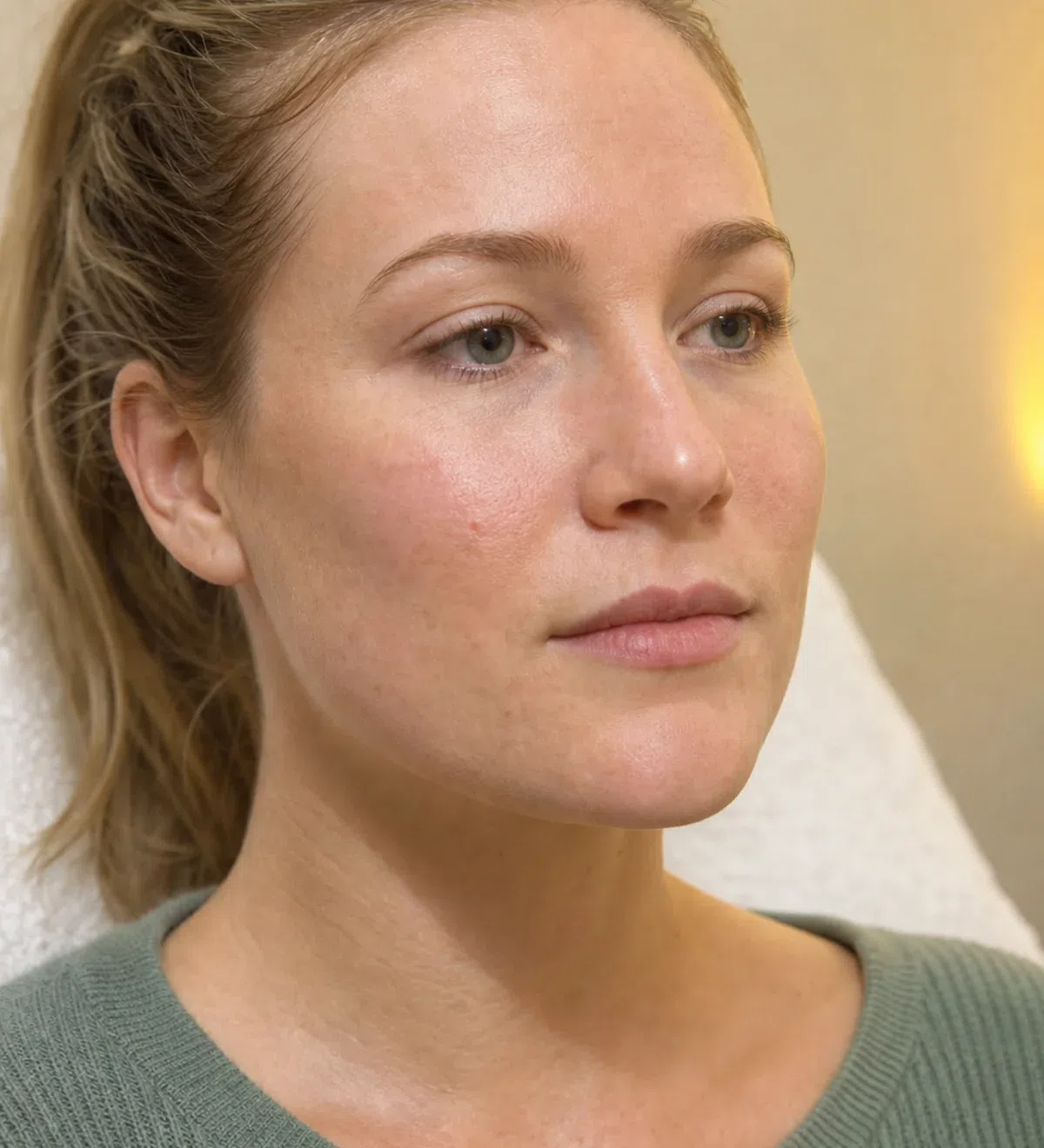
Why Duration Is So Individual
The tear trough sits at the junction between the lower eyelid and upper cheek. It is influenced by cheek support, orbital rim shape, skin thickness, pigment, vascular shadowing, fluid tendency and the way the lower eyelid moves.
This is why two patients can have the same concern in plain language, such as looking tired, but need very different advice. One person may have structural hollowing. Another may have puffiness. Another may have skin quality or pigment changes that create shadowing. Longevity only makes sense after the cause has been assessed.
For anatomy context, read why eyes often age first, which explains why the under-eye area can show structural and skin-quality changes early.
What Lasting Means In The Under-Eye Area
Patients often ask how long treatment lasts, but the better clinical question is whether the area continues to sit comfortably with the rest of the face over time. A result that persists is not automatically a good result if fullness, heaviness or irregularity develops.
The under-eye area can also look different from week to week because sleep, allergies, illness, salt intake, hormones and fluid shifts may change the appearance of puffiness or shadowing. A change in appearance does not always mean the original concern has returned.
Why Fixed Timelines Can Mislead
Fixed public timelines can sound reassuring, but they can also mislead patients into thinking their result should behave in a set way. Ahpra advertising guidance is clear that advertising must not mislead patients about how long the effect of a higher risk cosmetic procedure will last.
Core Aesthetics uses cautious wording for this reason. Corey may discuss likely review timing during consultation, but that discussion is based on the individual assessment rather than a general promise on a web page.
Signs It May Be Time For Review
A review may be useful if the under-eye hollowing concern has returned, the area looks uneven, puffiness is persistent, swelling fluctuates in an unusual pattern, or the under-eye region no longer matches the surrounding cheek support.
A review is also sensible if previous treatment was performed elsewhere and you are unsure what remains. Corey can assess the visible and palpable presentation, review timing and history, then discuss whether monitoring, waiting, correction, referral or further planning is appropriate.
When More Treatment Is Not The Right Next Step
More treatment is not automatically appropriate when the under-eye area starts to change. If puffiness, fluid tendency, skin laxity, pigment, vascular colour or lower eyelid anatomy is driving the concern, additional treatment may not help and could make the area look heavier.
This is one reason a duration review should include suitability, not only maintenance. The responsible question is not simply whether the previous effect has reduced. It is whether the current anatomy supports further treatment planning at all.
How Previous Treatment Changes The Conversation
Previous under-eye treatment can affect current assessment. Material placed in the area may still influence contour, swelling tendency or tissue feel, especially when treatment history is incomplete or when several rounds have occurred over time.
Bring treatment dates, clinic details where available, older and current photos, symptom timing and any aftercare or treatment information you were given. If details are unavailable, Corey can still assess the presentation, but uncertainty may change the recommendation.
Maintenance Should Be Assessment Led
Maintenance should not be treated as an automatic appointment at a fixed interval. A thoughtful plan considers whether the original concern has returned, whether the face has changed elsewhere, whether cheek support is contributing, and whether the under-eye area remains suitable for treatment.
Some patients are better served by waiting. Some need review of cheek support or skin quality. Some need correction assessment before any new plan is considered. Some may be suitable for treatment planning after assessment and consent.

Same Day Decisions And Consent
Core Aesthetics is consultation led. If treatment is suitable and appropriate on the day, this can be discussed with Corey during your appointment. That depends on clinical assessment, informed consent, realistic expectations and whether proceeding is in the patient's interests.
Booking a consultation does not mean treatment will occur. It gives Corey time to assess the concern, explain risks and limitations, compare options and decide whether treatment, waiting, correction or referral is the safer recommendation.
Useful Next Pages
Read tear trough treatment Melbourne for the main under-eye assessment pathway, tear trough suitability assessment for candidacy, and under-eye correction assessment if previous treatment may be contributing.
For broader context, see maintaining results between appointments and patient safety in aesthetic consultation.

Book A Duration Review
If you are unsure whether your under-eye result has changed, whether maintenance is suitable, or whether puffiness or irregularity needs assessment, book a consultation with Corey. The appointment can help clarify what is contributing to the change and what next step is clinically appropriate.
Is this for you?
Consider booking a consultation if
- You are an adult patient wanting honest guidance about under-eye treatment duration
- You want a review of changing hollowing, puffiness, unevenness or previous treatment
- You value assessment-led maintenance rather than automatic repeat treatment
- You are open to waiting, monitoring, correction assessment or referral where appropriate
This may not be for you if
- You want a promised duration or fixed maintenance schedule without assessment
- You have severe pain, vision symptoms, skin colour change or rapidly worsening swelling that needs urgent medical care
- You want more treatment without discussing risks, alternatives and suitability
- You are seeking elective cosmetic advice for someone who cannot provide informed consent
Suitability is confirmed at consultation. This list is general guidance, not a substitute for clinical assessment.
Frequently asked questions
How long does tear trough treatment last?
There is no single reliable duration for every person. Longevity depends on anatomy, skin quality, tissue response, fluid tendency, previous treatment, ageing and the treatment plan. Corey discusses likely review timing after assessing the individual presentation.
Why is under-eye longevity harder to predict?
The under-eye area has thin skin, visible contour changes, constant movement and a tendency to show fluid changes. These factors can affect how the area looks over time, even when the original plan was conservative.
Does a longer lasting result always mean a better result?
No. Longevity is only useful if the area continues to look appropriate and comfortable for the patient. Persistent fullness, puffiness or unevenness may need assessment rather than more treatment.
When should I book a review?
Book a review if the area changes, swelling persists, asymmetry appears, the hollowing concern returns, or you are unsure whether more treatment is suitable. Review timing is individual and should be guided by assessment.
Can lifestyle affect how the under-eye area looks over time?
Sleep, fluid retention, allergies, illness, weight change and natural ageing can all affect the under-eye area. These factors do not always mean treatment has worn off.
Can previous under-eye treatment affect duration?
Yes. Previous treatment may still influence tissue behaviour or appearance. Corey reviews prior treatment history before discussing whether monitoring, correction, waiting or further planning is appropriate.
Is maintenance always needed?
No. Some patients may be better served by waiting, monitoring or reassessing the cause of the concern. Maintenance should be based on suitability and tissue behaviour, not a fixed calendar.
Can treatment happen on the same day as a duration review?
Sometimes this may be discussed if assessment, suitability and informed consent support it. A consultation does not mean treatment will occur, especially if waiting, correction or referral is safer.
How can someone talk about wanting subtle tear trough consultation?
A subtle plan starts with proportion, expression and restraint. Corey asks what you want to notice, what you do not want, and whether the concern is actually skin, movement, structure, ageing, previous treatment or something better left alone.