Clayton readers should treat this as a planning page for an Oakleigh assessment, especially when work, study, hospital precinct timing, train access or previous treatment records may affect the decision. Corey Anderson RN checks facial support, under eye context, skin quality, health history, expectations, consent and review access before deciding whether treatment discussion, waiting, referral or no treatment is appropriate.
Why This Local Page Exists
This Clayton page exists because the local search often starts around Clayton Road, Clayton Station, Monash Medical Centre, Monash University, Wellington Road, North Road, Princes Highway or Dandenong Road. That context is different from Chadstone shopping centre planning and should have its own preparation page.
Clayton is often a timetable suburb: trains, clinics, campus days, rosters, study periods and appointments can all affect whether a cosmetic decision is being made calmly. The page keeps the focus on preparation rather than naming a treatment too early.
Use it when the concern is volume related but the first job is to bring better questions about suitability, risk, previous treatment, review access and whether a pause would be the more sensible clinical answer.
What Corey Checks Before Any Treatment Discussion
This table is general education only. It explains the Clayton assessment logic but cannot decide suitability without individual assessment.
| Clayton planning point | Assessment focus | Why Corey slows it down |
|---|---|---|
| A tired or hollow look after long days | Cheek support, under eye anatomy, skin quality, weight change, sleep, stress, previous treatment and whether the concern is stable. | Fatigue, lighting and structure can overlap, so the appointment should identify the driver before any treatment category is discussed. |
| Hospital, campus or station timing | Rosters, lectures, appointments, train access, parking, upcoming events and whether the patient can return for review. | A close route is useful only if it supports proper consent, aftercare and follow up. |
| Previous treatment history | Dates, areas, product records if available, settling pattern, lumps, swelling, asymmetry, delayed reactions and current concerns. | Old treatment can change timing, risk discussion and whether waiting is safer. |
| Scope and safety limits | Medical history, medicines, allergies, skin status, expectations and whether another clinician or no cosmetic treatment is more appropriate. | The responsible answer may be referral, review later or no treatment. |
A Common Consultation Scenario
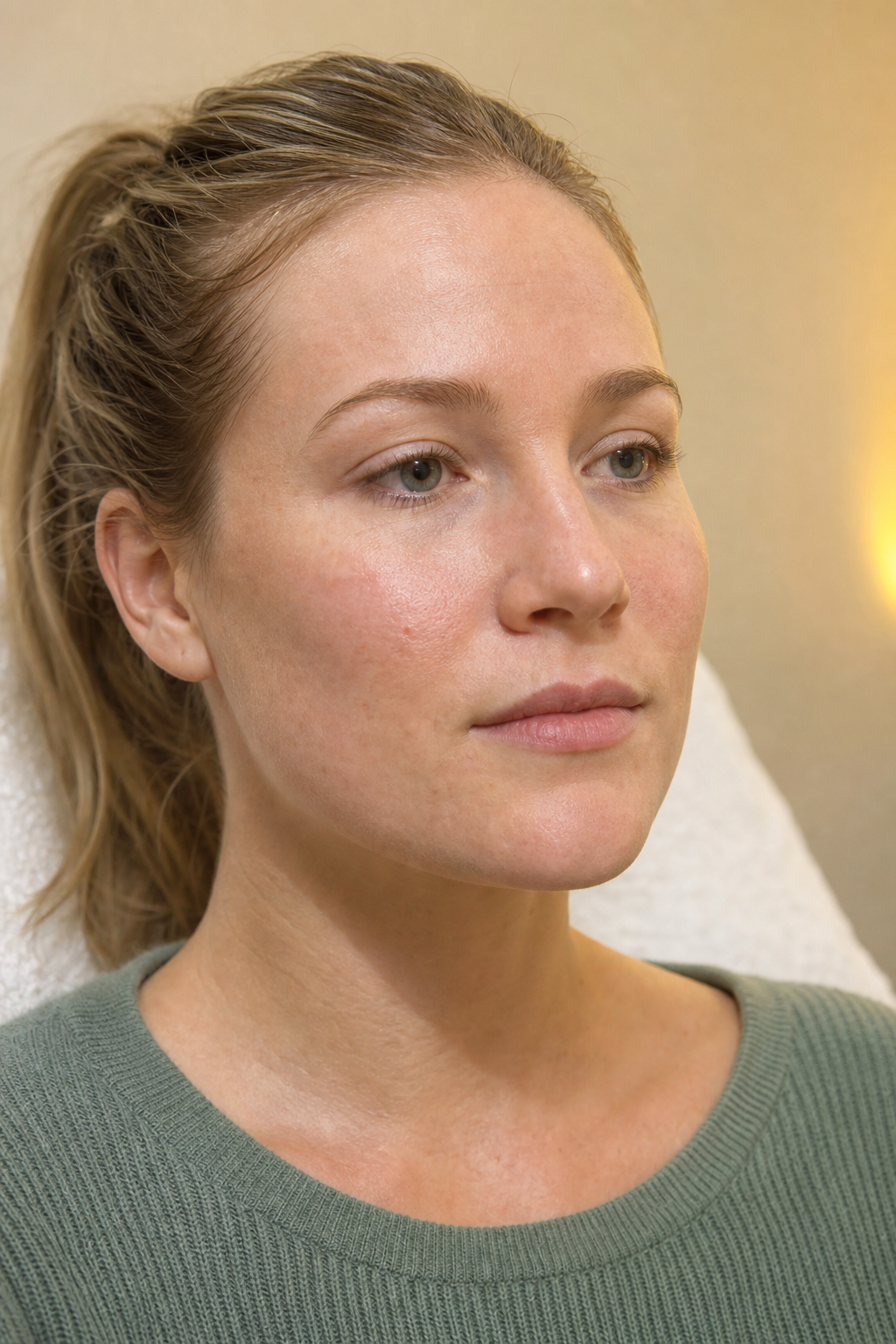
A common Clayton presentation is someone who notices facial tiredness, midface flattening or under eye shadowing after long work hours, study blocks, hospital shifts or recent life changes. That tired look may involve sleep, skin, weight change, expression, under eye anatomy or facial support rather than one simple cause.
Corey may ask what has changed, what has stayed the same, what records exist from any previous treatment and whether the concern is a specific clinical question or a broader feeling of looking different under pressure.
When Waiting May Be The Better Recommendation
Waiting may be recommended when a recent procedure needs time to settle, records are missing, a roster makes review difficult, exams or placements are close, travel is planned or the patient is unsure what change they actually want assessed.
A local appointment is still an assessment appointment. It should leave room for the answer that no cosmetic treatment is needed, or that a different healthcare pathway is safer.
Risks, Limits And Consent
Clayton patients should expect the risk discussion to be individual, not copied from a menu. Depending on the area assessed, Corey may discuss bruising, swelling, tenderness, asymmetry, lumps, infection, delayed inflammatory reaction, dissatisfaction, altered facial balance and rare urgent complications.
Consent needs enough time for alternatives, costs, aftercare, review access, uncertainty and the option of doing nothing. If the day is crowded by shift work, campus commitments or other appointments, waiting can be the safer decision.
Can Treatment Be Discussed On The Day?
A Clayton appointment can include treatment discussion only if assessment, suitability, risk explanation, alternatives and consent are all clear. The suburb, distance and appointment slot do not make treatment automatic.
If Corey thinks records are missing, review access is poor, expectations are unsettled or the concern is outside scope, the useful outcome may be waiting, referral, review later or no treatment.
Planning The Visit
Plan the visit around Clayton Road, Clayton Station, North Road, Princes Highway, Dandenong Road, Wellington Road, Monash Medical Centre or Monash University without treating the appointment as a gap between other commitments. Leave enough time for history, medicines, allergies, previous treatment dates, upcoming events and follow up access.
Bring current medicines, relevant health history, previous cosmetic treatment details and older photos only if they help show gradual change. Photos are optional context and do not set a result target.
Clayton Review Access Notes
Clayton patients often have a different planning problem from nearby retail suburbs. The question may be how to fit an assessment around Clayton Station, Clayton Road, hospital work, campus hours, lab schedules, lectures, parking, North Road, Princes Highway, Dandenong Road or Wellington Road without losing the time needed for consent.
| Clayton starting point | Planning risk | Useful preparation |
|---|---|---|
| Clayton Station or Clayton Road | The appointment can feel easy to fit in, which may make the decision feel more casual than it should. | Allow time for the full assessment and avoid booking between tightly packed commitments. |
| Monash Medical Centre or nearby health work | Rosters, fatigue and privacy expectations can affect whether the person is ready to decide. | Bring medication history, relevant medical details and a realistic view of review availability. |
| Monash University or Wellington Road campus days | Study blocks, placements, exams or public transport timing can make follow up harder. | Tell Corey about deadlines, events and whether returning to Oakleigh for review is practical. |
| Previous treatment elsewhere | Unknown product, timing or settling history may make immediate decisions unsafe. | Bring records if available and be ready for waiting or referral to be the responsible answer. |
Which Page Should You Read Next?
For the main query owner, read volume consultation. If you are comparing broader pathways, read volume treatment Melbourne, facial volume consultation and cheek volume Melbourne.
For Clayton context, read aesthetic consultation Clayton, cheek volume Clayton, volume treatment Clayton and volume consultation Chadstone only if Chadstone Shopping Centre or retail timing is the true local context. For safety decisions, read treatment suitability assessment and patient safety in aesthetic consultation.
Is this for you?
Consider booking a consultation if
- You are an adult in or near Clayton seeking assessment of facial volume, hollowing, support or proportion concerns
- You want a nearby Oakleigh consultation before deciding whether treatment is appropriate
- You value conservative planning, risk discussion and realistic expectation setting
- You are open to waiting, correction review, referral or no treatment if that is safer
This may not be for you if
- You want a promised result or a treatment decision without assessment
- You are not an adult patient
- You are pregnant, trying to conceive or breastfeeding and are seeking elective aesthetic treatment
- You have an active infection, unhealed skin or an unresolved medical concern in the area to be assessed
Suitability is confirmed at consultation. This list is general guidance, not a substitute for clinical assessment.
Frequently asked questions
How should Clayton patients use this volume consultation page?
Use it to prepare for an assessment at Oakleigh, not to decide in advance that treatment is needed. The page helps Clayton adults bring a clear question about facial support, under eye context, skin quality, previous treatment, study or work timing and review access before any treatment discussion.
How is this different from the Chadstone volume consultation page?
This page is for Clayton Road, Clayton Station, Monash Medical Centre, Monash University, Wellington Road, North Road, Princes Highway and Dandenong Road planning. The Chadstone page is more useful when the practical context is the shopping centre, Warrigal Road, Eastern Access Road buses or retail timing.
What does Corey assess for a Clayton volume consultation?
Corey Anderson RN reviews facial support, cheek and midface shape, under eye context, skin quality, symmetry, previous treatment, medical history, medicines, allergies, expectations, timing, consent and whether the concern fits the clinic scope.
Why can hospital, study or shift timing change the advice?
Clayton patients may be planning around hospital shifts, university timetables, study blocks, research work, family commitments or appointments. Those pressures can affect recovery planning, review access and whether the person has enough time to make an unhurried consent decision.
How can Clayton Road or station access affect review planning?
Clayton Road, Clayton Station, North Road, Princes Highway, Dandenong Road and Wellington Road can make Oakleigh access workable, but the route should support review planning rather than rush the appointment. Corey still needs time to assess suitability, risks, alternatives and follow up access.
Can a Clayton appointment include treatment discussion on the day?
Some adults may be suitable for same day treatment discussion, but it is not automatic. Corey first needs to assess suitability, explain relevant risks and alternatives, confirm informed consent and decide whether proceeding is clinically appropriate. Waiting, referral or no treatment may be safer.
When could waiting, referral or no treatment be safer for Clayton patients?
Waiting, referral or no treatment may be recommended when the concern is mild, timing is poor, records are unclear, a recent procedure has not settled, skin or medical issues need review, expectations are uncertain or risk outweighs likely benefit.
What information should Clayton patients bring?
Bring current medicines, allergies, relevant medical history, previous cosmetic treatment dates, work or study timing constraints, upcoming events and questions you want answered. Older photos can help with context, but they do not set a result target.
How should I explain previous volume treatment done elsewhere?
Tell Corey when it happened, which areas were treated, how it settled, whether there were lumps, swelling, asymmetry, dissatisfaction or delayed reactions, and whether records are available. Previous treatment can change timing, risk discussion and whether waiting is safer.
Where can Clayton patients verify Corey and the clinic?
Core Aesthetics lists Corey Anderson as a Registered Nurse with Ahpra registration NMW0001047575. Patients can check the Verify Core Aesthetics page, clinic contact details and the Ahpra public register before booking.