
CORE AESTHETICS · OAKLEIGH VIC
Cosmetic treatment planning in Oakleigh.
If you have several cosmetic concerns, you do not have to address them all at once. A planning consultation helps you decide which concern to focus on, whether any treatment is worthwhile and what can wait. Corey considers your health, previous care, budget and the time you have for recovery before discussing a first step.
No pressure. No obligation to proceed.
QUESTIONS ABOUT TREATMENT PLANNING
Can we discuss more than one concern at the same appointment?
Yes. You can bring several concerns, such as facial lines, changes in lip shape and a less defined jawline. Tell Corey which matters most and which features you want to keep unchanged. He looks at how the areas relate, then separates the questions that can be answered together from those needing more information or another assessment. Discussing several areas does not mean they all need treatment.
How do we decide what to address first?
Start with the concern that prompted you to book. Corey checks what may be contributing, whether an option could realistically help and whether a health issue or previous treatment needs attention first. For example, dry surface lines, folds during smiling and a change in facial shape may need different approaches. There is no fixed rule that everyone should treat skin, movement or structure in the same order.
Why might treatment need to happen over separate visits?
Sometimes the next decision depends on how the first step settles, whether it helps enough or whether an unwanted effect needs review. Separating visits can also allow time for records, another clinician’s advice or recovery before further care. It does not automatically mean a better result or lower cost. Ask Corey why a gap is recommended for your plan and what will be checked before another step is considered.
Do I have to do everything in the plan?
No. Later ideas remain optional, and you can stop after one step or choose no treatment. A plan is not advance consent for a series of procedures. Before any later treatment, Corey needs to check that it still suits your health, goals and circumstances, explain its risks and costs, and obtain your informed consent. You do not have to continue simply because an option was discussed earlier.
What if I have already had treatment at other clinics?
Bring the dates, areas treated and any records you have, including recovery problems or changes you did not want. You do not need to start from scratch, but Corey needs to understand what has already been done before suggesting another step. If an important detail is unknown, say so. The next step may be obtaining records or waiting for a change to settle, rather than adding more treatment.
How do we avoid doing more than I want?
Be specific about what you want to change and what you want to keep. For example, you might want to discuss a crease while keeping your usual smile, or understand one uneven area without changing other features. Corey explains which changes an option might make and its limits. No plan can promise an exact appearance. You can decide that a smaller change, waiting or leaving the area alone is preferable.

YOUR APPOINTMENT
What happens at a treatment planning consultation?
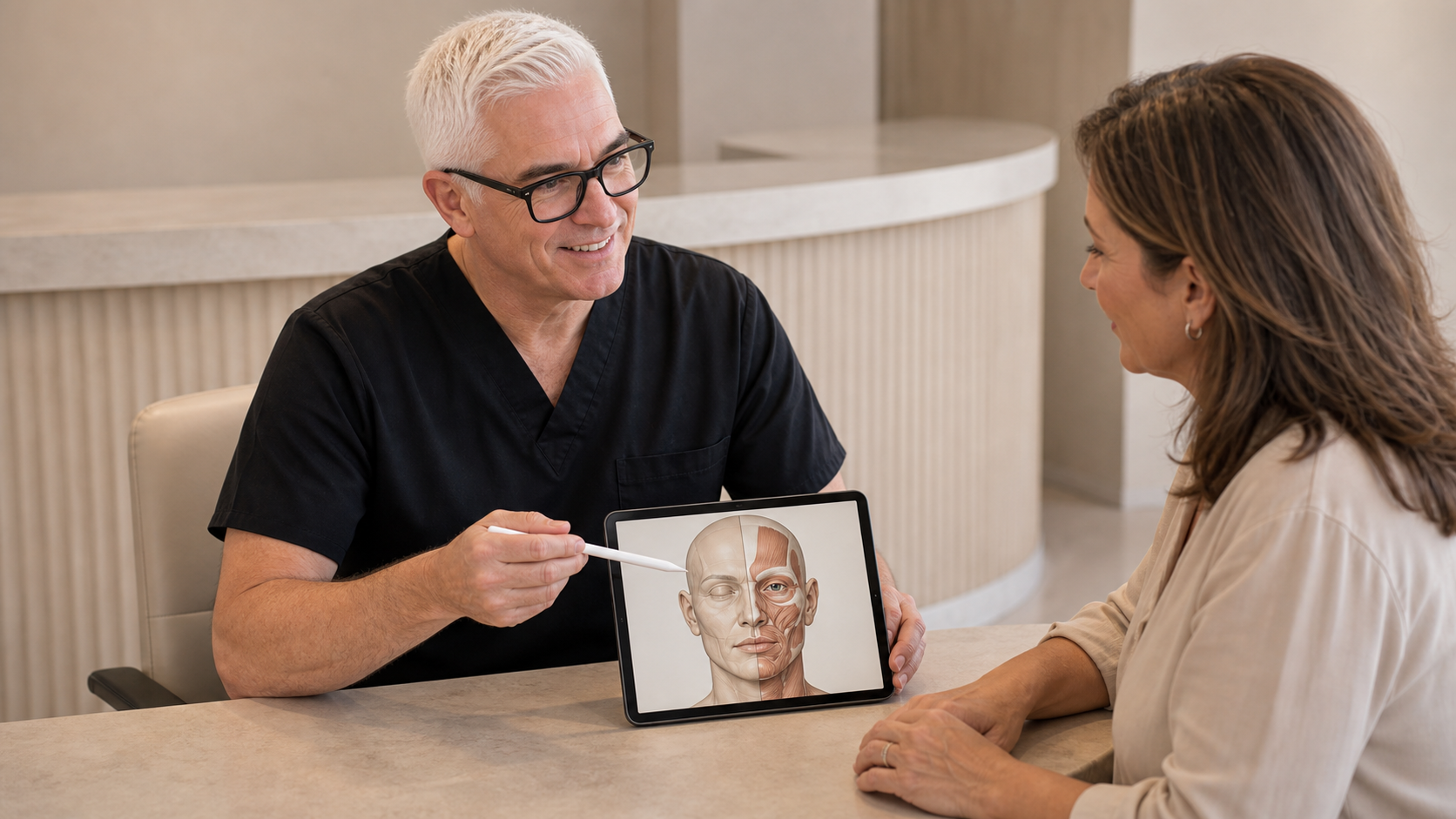
Your initial consultation with Corey Anderson RN is at no charge and generally takes 30 minutes in Oakleigh. You go through your concerns, health, medicines and previous care. Corey examines the relevant areas, then explains suitable options, alternatives, risks and realistic limits. The practical outcome is a clear next decision: what to address first, what information is still needed and what can stay optional. A complex history may need more than one visit.
Can we plan around my budget?
Yes. Tell Corey the amount you are comfortable spending and whether ongoing costs would be difficult. He explains itemised costs for any suitable option before you decide, including review or further care where relevant. You can focus on one priority, delay optional steps or choose no treatment. Costs must be explained and agreed before anything proceeds. A discussion about several concerns does not commit you to a package.
What happens if I want treatment that day?
Planning several concerns does not mean every area can or should be treated that day. If treatment is considered, Corey first confirms suitability, explains the proposed care, risks and alternatives, obtains informed consent, agrees itemised costs and completes any required clinical arrangements. If another day is needed, Corey explains why and what happens next. You can also leave with information only.
When should I book if I have an event or travel coming up?
Book the consultation around 2 to 3 weeks before an event as a starting point, and mention travel when booking. A plan involving several steps, recovery or review may need considerably longer. If time is short, waiting until afterwards may be more appropriate. Call or message if you cannot find a suitable appointment. Corey can explain the timing, but an event date cannot promise suitability or a particular result by that day.
When should the plan be reviewed or changed?
Review it before another step if your health, medicines, priorities or budget have changed, or if previous care has not settled as expected. If a procedure goes ahead, Corey explains its review timing and the symptoms that need earlier contact. There is no single review interval for every cosmetic option. A plan can become shorter or stop entirely; it should not keep expanding just because time has passed.
What should I bring to help make the plan useful?
Bring your main questions, a medicine and supplement list, allergies and relevant health or dental history. Add any previous treatment records, the dates of important events or travel, and what you can realistically manage for recovery and review. Photos can help show a change over time, but are optional. You do not need to prepare a treatment list or know the cause. Do not stop prescribed medicines unless your treating clinician advises it.
What could mean treatment needs to wait?
An active infection, unhealed skin, an unresolved complication, a recent procedure or missing records may need attention before more cosmetic care. Tell Corey about pregnancy, breastfeeding, plans to conceive and any change in your health or medicines so advice is specific to your situation. New or worsening symptoms may need a GP, dentist or another appropriate clinician first.
CORE AESTHETICS · OAKLEIGH
Book your consultation
Choose an available appointment with Corey. If you are unsure which appointment to select, call or message the clinic.
View available appointments