Forehead wrinkle treatment planning near Carnegie should start with consultation, not an automatic treatment decision. Corey Anderson RN assesses forehead movement, brow position, eyelid support, skin quality, lines at rest, medical history, previous treatment, expectations, risks and consent before discussing whether treatment planning, waiting, referral, review later or no treatment is appropriate.
How Does Forehead Assessment Start?
A forehead concern may look simple in the mirror, but the upper face works as a system. Corey assesses the forehead, brow, eyelids, frown area, skin quality and the difference between movement lines and resting lines before treatment planning is discussed.
This page is for adults near Carnegie who want a local pathway into careful assessment. It should not be used to choose a treatment type, product name or dose online.
How Are Forehead Concerns Sorted?
This table gives general education only. It cannot decide whether treatment is suitable without individual assessment.
| Consultation question | What Corey checks | Why it matters |
|---|---|---|
| Does the line appear with movement? | Forehead lift, brow effort, frown balance and expression strength. | Movement lines are assessed differently from lines visible when the face is still. |
| Is the line visible at rest? | Skin quality, sun exposure, long term crease pattern and previous treatment history. | Resting lines may need different advice, slower expectations or no treatment. |
| Is forehead movement supporting the brows? | Brow height, eyelid support, heaviness symptoms and natural asymmetry. | Reducing movement without checking support can increase brow or eyelid heaviness for some people. |
| Is timing sensible? | Events, travel, medicines, pregnancy or breastfeeding status, illness and review access. | Same day treatment discussion is not automatic and waiting may be safer. |
| Are risks and consent clear? | Bruising, swelling, tenderness, headache, asymmetry, brow or eyelid heaviness and aftercare. | Consent should be specific, calm and based on the person, not a standard suburb page. |
| Could another pathway be better? | Skin concerns, medical symptoms, unclear goals, recent treatment and clinic scope. | A consultation may lead to waiting, referral, review later or no treatment. |
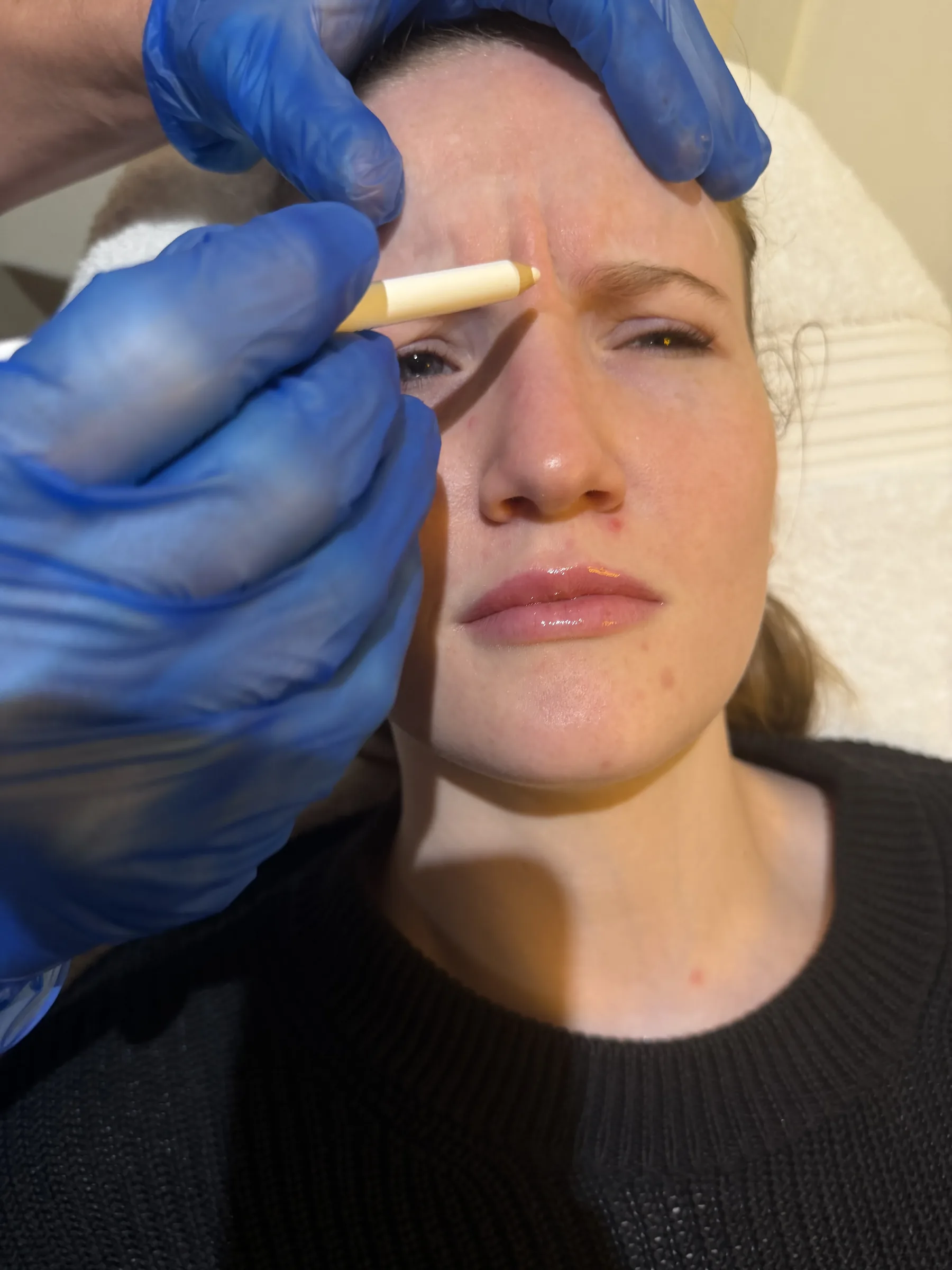
Why Does Brow Position Matter?
The forehead helps lift the brows. Some people naturally use forehead movement to keep the eye area feeling open. If that relationship is missed, treatment planning can create brow heaviness or change expression in a way the patient would not choose after proper discussion.
Corey reviews brow height, eyelid support, resting expression, movement strength, asymmetry and previous treatment history. This is why a forehead consultation may include questions about the frown area and eye area too.
Are Movement Lines Different From Resting Lines?
Movement lines appear when the forehead contracts. Resting lines remain visible when the face is relaxed. Skin quality, sun exposure, repeated movement, facial structure, previous treatment and normal ageing can all influence what is seen at rest.
A treatment discussion that suits a movement line may not be the right discussion for a resting crease. Corey may recommend treatment planning, skin care review, waiting, referral, review later or no treatment depending on what assessment shows.

When Might Treatment Not Be Suitable?
Treatment planning may not be suitable if forehead movement is strongly supporting the brows, if recent treatment elsewhere has not settled, if there is active skin irritation or infection, if medical history needs review, if pregnancy or breastfeeding applies, or if expectations do not fit realistic limits.
It may also be better to wait when an event is close, travel limits review access, records are unclear or the patient feels rushed. A responsible consultation keeps no treatment available as a valid recommendation.
What Risks And Limits Are Discussed?
Relevant risks may include bruising, swelling, redness, tenderness, headache, asymmetry, brow or eyelid heaviness, altered expression, delayed settling, dissatisfaction or finding that the concern is not suitable for cosmetic treatment.
Consent should come after the patient understands the relevant risks, alternatives, costs, aftercare and review plan. It should never feel automatic because a booking was made.
Can Treatment Be Discussed On The Day?
Some adults may be suitable for treatment discussion on the same day as consultation, but only after assessment, risk discussion and informed consent. Same day treatment is not automatic.
Corey may recommend waiting, review later, referral or no treatment if that is more appropriate. The appointment is still useful when the safest answer is to pause.
How Does Local Access Help?
Core Aesthetics is in Oakleigh, close enough for many nearby patients to plan consultation and review without treating the appointment as a one off visit. That matters because upper face planning can depend on how movement, comfort and symmetry are reviewed after the decision.
Local access does not make treatment more suitable. It simply makes assessment, questions, aftercare contact and review easier to organise with the same practitioner.
Which Page Should You Read Next?
For the broader service pathway, read wrinkle treatment Melbourne, forehead lines Melbourne, forehead wrinkle treatment Oakleigh, forehead wrinkle consultation and the broader local wrinkle page.
For safety and decision making, read treatment suitability assessment, patient safety, when to wait, how informed consent works, pricing, verify, contact or book.
Is this for you?
Consider booking a consultation if
- Adults near Carnegie wanting forehead line and brow position assessment before treatment discussion
- Patients who want a consultation first explanation of movement lines, resting lines, risk and consent
- People open to waiting, referral, review later or no treatment where that is safer
- Patients who want to verify Corey Anderson RN and the Oakleigh clinic before booking
This may not be for you if
- People seeking treatment without assessment, consent or risk discussion
- People with urgent medical symptoms, active infection, acute swelling or rapidly changing skin concerns
- People wanting a fixed cosmetic change before brow position and movement are assessed
- People seeking advice for someone who cannot provide informed consent for elective cosmetic care
Suitability is confirmed at consultation. This list is general guidance, not a substitute for clinical assessment.
Frequently asked questions
Is forehead wrinkle treatment suitable for everyone nearby?
No. Suitability depends on forehead movement, brow position, eyelid support, skin quality, medical history, previous treatment, timing and expectations. Corey Anderson RN assesses these factors before discussing whether treatment planning, waiting, referral, review later or no treatment is appropriate.
Why does Corey assess the frown area for a forehead concern?
The forehead and frown area can affect each other. Frown movement may influence brow position, while forehead movement helps lift the brows. Assessing both areas helps avoid treating the visible line too narrowly or missing a support pattern that could affect comfort.
Can forehead treatment cause brow heaviness?
Brow heaviness is a planning concern for some people, especially when forehead movement is helping keep the brows or eye area open. Corey checks brow height, eyelid support, expression strength and previous treatment response before deciding whether treatment discussion is appropriate.
Can treatment happen on the same day as consultation?
Some adults may be suitable for same day treatment discussion, but it is not automatic. Corey first needs to assess suitability, explain relevant risks and alternatives, confirm informed consent and decide whether proceeding is appropriate. Waiting or no treatment may be safer.
What if my forehead lines are visible when relaxed?
Resting forehead lines may involve skin quality, sun exposure, long term creasing, facial structure, previous treatment or normal ageing as well as movement. Corey can explain what appears relevant during consultation and whether treatment planning or another pathway is more appropriate.
What if I have already had forehead treatment elsewhere?
Tell Corey when it happened, how it settled and whether you noticed heaviness, asymmetry, unfamiliar expression or a response that felt too strong or too subtle. Prior treatment history can change whether more treatment, waiting, review or no treatment is safest.
How is this different from the main Oakleigh forehead page?
The main Oakleigh page is the central local service hub. This page is written for nearby patients comparing access from Carnegie and focuses on the same clinical pathway: upper face assessment, suitability, consent, review access and practitioner verification.
How is this different from the broader wrinkle page?
This page focuses specifically on forehead lines, brow position and frown balance. The broader wrinkle page is better if you are comparing several expression concerns, such as forehead, frown and eye area lines, or if you are unsure which concern matters most.
What should I bring to the consultation?
Bring current medicines, allergies, relevant medical history, pregnancy or breastfeeding status if applicable, previous cosmetic treatment dates and records where available, and questions you want answered. Mention upcoming events, travel, dental work or recent illness because timing can change advice.
How can I verify the clinic before booking?
Core Aesthetics lists Corey Anderson as a Registered Nurse with Ahpra registration NMW0001047575. Patients can use the Verify Core Aesthetics page, the clinic contact details and the Ahpra public register to check practitioner and clinic information before booking.